
Planting
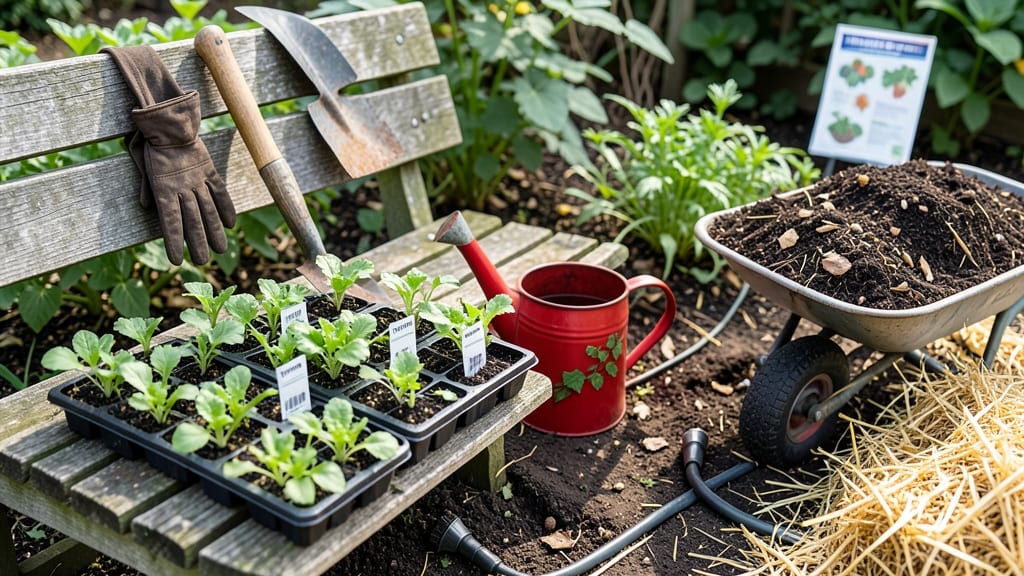
Timing your garden planting in Missouri can feel like a guessing game—one late frost and your spring seedlings vanish overnight. But with the right deadlines, you’ll beat the weather and enjoy a harvest that lasts from summer through fall.
Missouri’s climate varies from zone 5 in the north to 7 in the south, meaning frost dates shift dramatically. Whether you’re in St. Louis or Kansas City, knowing when to plant cool-season crops like lettuce or warm-season favorites like tomatoes makes all the difference.
I’ve dug into the data from Missouri Botanical Garden experts to give you precise planting windows—so you can start seeds indoors, transplant with confidence, and even extend your growing season. Let’s turn those frost worries into a foolproof plan.
From March to September, we’ll cover what to sow each month, how to protect young plants, and when to give up on late-season crops. Ready to grow like a pro?
Missouri’s planting zones explained: when to start seeds vs. transplants
Missouri spans USDA hardiness zones 5-7, meaning frost dates vary dramatically from north to south. In northern Missouri (Zone 5), gardeners face last spring frosts as late as May 15, while southern Missouri (Zone 7) typically sees frost-free soil by April 15.
Understanding these zones helps you decide whether to start seeds indoors or transplant seedlings for optimal growth.
For cool-season crops like lettuce, peas, and spinach, I always begin seeds indoors 4-6 weeks before the last frost date.
In St. Louis (Zone 6), that means starting seeds around March 15, while in Kansas City (Zone 5), I wait until March 25 to avoid early frost damage.
Warm-season crops like tomatoes and peppers, however, need soil temperatures above 60°F—so I wait until mid-May in northern Missouri or early May in the south.
Here’s how I break it down for seed starting vs. transplanting based on Missouri’s zones:
| Zone | Last Frost (Avg.) | Start Cool-Season Seeds Indoors | Transplant Warm-Season Crops |
|---|---|---|---|
| 5 (North) | May 15 | March 25 - April 10 | Mid-May (after soil warms) |
| 6 (Central) | April 25 | March 15 - March 30 | Early May |
| 7 (South) | April 15 | March 1 - March 15 | Late April |
Pro tip: Use a soil thermometer to confirm warmth before transplanting warm-season crops. I’ve learned the hard way that cold soil stunts growth—even if the air feels warm. Aim for 60°F+ for tomatoes and 70°F+ for peppers. In Zone 5, I often use black plastic mulch to warm the soil faster.
Another key difference is succession planting. In Missouri, I plant lettuce and radishes every 2 weeks from April to July to ensure a continuous harvest. Meanwhile, beans and cucumbers thrive when planted after the last frost, so I wait until late May in northern areas.
This staggered approach maximizes yield and minimizes waste.
For perennials and shrubs, timing matters too. I plant asparagus crowns in early spring (March-April) and fruit trees in fall (October-November) to establish strong roots before winter. Herbs like rosemary and thyme prefer spring planting, while basil—a heat lover—goes in after Memorial Day to avoid frost.
Missouri’s microclimates also play a role. Urban areas like St. Louis tend to be warmer than rural zones, while hilly regions can experience earlier frosts.
I always check the Missouri Botanical Garden’s frost maps and adjust my schedule accordingly. For example, gardens near rivers might have later frosts due to moisture retention.
Finally, container gardening gives you flexibility. If your yard’s soil stays cold too long, I start warm-season plants in pots and move them outdoors after the last frost. This trick has saved my tomato plants in Zone 5 multiple times when the ground was still chilly.
Remember: Missouri’s frost dates aren’t set in stone. A late April freeze can happen anywhere, so always have row covers or cold frames on hand for high-value crops like peppers and eggplants. Staying flexible is the key to a successful Missouri garden!
Missouri’s month-by-month planting calendar: what to sow in spring and fall
Missouri’s spring planting kicks off in March, but timing depends on your USDA zone—whether you’re in St. Louis (Zone 6b) or Kansas City (Zone 6a). In colder northern zones like Zone 5b, wait until mid-April to avoid frost damage.
Meanwhile, southern Missouri gardeners in Zone 7a can start as early as late February for hardy crops.
For cool-season crops like lettuce, spinach, and peas, sow seeds 4-6 weeks before your last frost date—typically early March in southern Missouri and late March in the north. These crops thrive in cool temperatures and can even handle light frosts, making them ideal early-season plants.
Warm-season crops like tomatoes, peppers, and beans need soil temperatures above 60°F. Start seeds indoors in March and transplant outdoors after mid-May, once the risk of frost has passed. If you’re impatient, use row covers or black plastic mulch to warm the soil faster.
Don’t overlook fall planting—it’s a smart way to extend your harvest in Missouri. Start cool-season crops like broccoli, cabbage, and kale in late July or early August for a fall harvest.
These crops thrive in cooler temperatures and can often survive light frosts, giving you fresh produce well into October or November.
For perennials and flowers, timing matters too. Plant spring-blooming bulbs like tulips and daffodils in October or November, while fall-planted perennials like lavender and Russian sage establish roots before winter. This gives them a head start in spring growth.
Pro tip: Use season extenders like hoop houses or cold frames to push your planting windows. In Zone 5b, these can add 2-4 extra weeks of growing time in spring or fall, letting you grow heat-loving crops like peppers or eggplants even in cooler areas.