
Plants
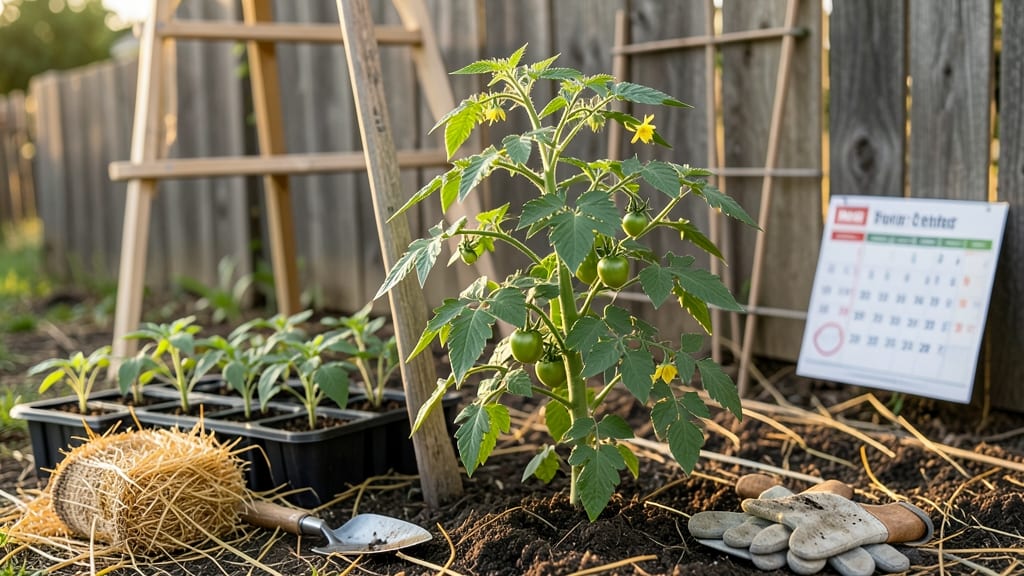
Timing when do you plant tomatoes in Pennsylvania isn’t one-size-fits-all—get it wrong, and you’ll watch your plants bolt before producing a single ripe fruit. The Keystone State’s microclimates, from Erie’s lake-effect chill to Philadelphia’s urban heat islands, can shift your planting window by weeks.
Most gardeners in USDA zones 5b-7a wait until after the last frost (typically April 15-May 15), but soil temperature and local patterns matter more than dates. I’ll show you how to read your microclimate’s signals—like when nighttime temps stay above 50°F and soil hits 60°F—to plant with confidence.
Whether you’re starting seeds indoors or direct-sowing, this guide cuts through the guesswork. You’ll learn 3 key adjustments for Pennsylvania’s unpredictable weather, plus the best tomato varieties for your zone’s short growing season.
Ready to go from seed to vine-ripened tomatoes by July? Let’s pinpoint your exact planting window—because in PA, timing isn’t just about the calendar, it’s about the land.
Pennsylvania’s last frost dates by USDA Zone & microclimate exceptions
Pennsylvania’s USDA zones 5b–7a create a patchwork of planting windows, but last frost dates can shift by weeks depending on elevation, urban heat, or lake effects. In Zone 5b (northwest PA), average last frost arrives May 1–15, while Zone 7a (southeastern PA) sees frost-free soil by April 15–30.
These dates are your planting anchor points, but local microclimates demand adjustments.
For example, Erie’s Lake Erie shoreline often experiences 2–3 weeks later frosts than inland areas due to cold lake breezes. Meanwhile, Philadelphia’s urban heat island can push last frosts 10 days earlier than rural Chester County.
Even within a single county, river valleys (like the Susquehanna) may frost 5–7 days later than nearby hillsides.
Here’s how to navigate these variations with precision:
To refine your timing, check your local Almanac frost records (e.g., Penn State Ag Extension) and observe 3-year averages—not just the "typical" date.
For instance, State College (Zone 5b) had a late frost on May 20, 2020, while Lancaster (Zone 6b) saw an early frost on April 22, 2018. These outliers can wipe out unprotected seedlings.
Pro tip: Use biodegradable row covers to extend your window by 2–3 weeks in cooler zones. In Zone 5b, this lets you plant early varieties like ‘Stupice’ as soon as April 15, even if frost lingers. Just remove covers when flowers appear to ensure pollination.
For container gardeners, urban heat islands can be an advantage. A south-facing balcony in Philadelphia might see soil warm to 60°F by April 1, while the same variety in rural Bradford County won’t reach that until May 15.
Always test soil temperature with a thermometer—tomatoes need 60°F+ to thrive.
Remember: First frost (usually October 15–30) determines your harvest deadline. In Zone 5b, plant late-maturing varieties (like ‘Brandywine’) by June 15 to avoid bolting before frost. In Zone 7a, you can push it to July 1 for a second crop.
🌱
How to adjust planting for Pennsylvania’s unpredictable weather patterns
Pennsylvania’s unpredictable spring weather can throw off even the most experienced gardener. A late frost in May or an early heatwave in April can ruin your tomato plants if you’re not prepared.
The key is flexibility—adjusting your planting schedule based on real-time conditions rather than relying solely on average frost dates.
Start by monitoring soil temperatures with a thermometer. Tomatoes need soil that’s at least 60°F to thrive. If your soil warms up earlier in southern PA (Zones 6b–7a), like near Philadelphia or Lancaster, you can plant as early as mid-April.
But in north-central PA (Zones 5b–6a), such as Erie or State College, wait until late May to avoid frost damage.
Even after the average last frost, late frosts can still hit. In 2020, Pittsburgh saw frost as late as May 12, while Scranton experienced a flash freeze in early June. Use row covers or black plastic mulch to protect young plants and warm the soil faster.
For gardeners in Zone 5b–6a, consider starting tomatoes indoors in March and transplanting after the last frost. Use grow lights if natural light is limited, and harden off seedlings by placing them outdoors for 2–3 hours daily in the week before transplanting.
This gradual transition helps them adapt to outdoor conditions and reduces shock.
If you’re planting in Zone 7a (e.g., Philadelphia suburbs), you can push the envelope by planting early-maturing varieties like ‘Early Girl’ (55 days) or ‘Stupice’ (70 days) as soon as soil is workable.
But always have a backup plan: keep row covers or frost cloth on hand for unexpected cold snaps.
Heatwaves can also be a problem, especially in July and August. If temperatures exceed 90°F for prolonged periods, tomato plants may stop flowering or produce blossom-end rot. Choose heat-tolerant varieties like ‘Heatmaster’ or ‘Solar Fire’, and provide afternoon shade with shade cloth if needed.
Mulching with straw or wood chips helps retain moisture and keeps roots cool.
Finally, keep an eye on local weather forecasts and microclimate conditions. Areas near large bodies of water (like Lake Erie) may have cooler, slower springs, while urban areas like Pittsburgh can experience urban heat islands that warm up faster.
Adjust your planting timeline based on what you observe in your own backyard—your garden’s microclimate is the final word.