
Companion Plants
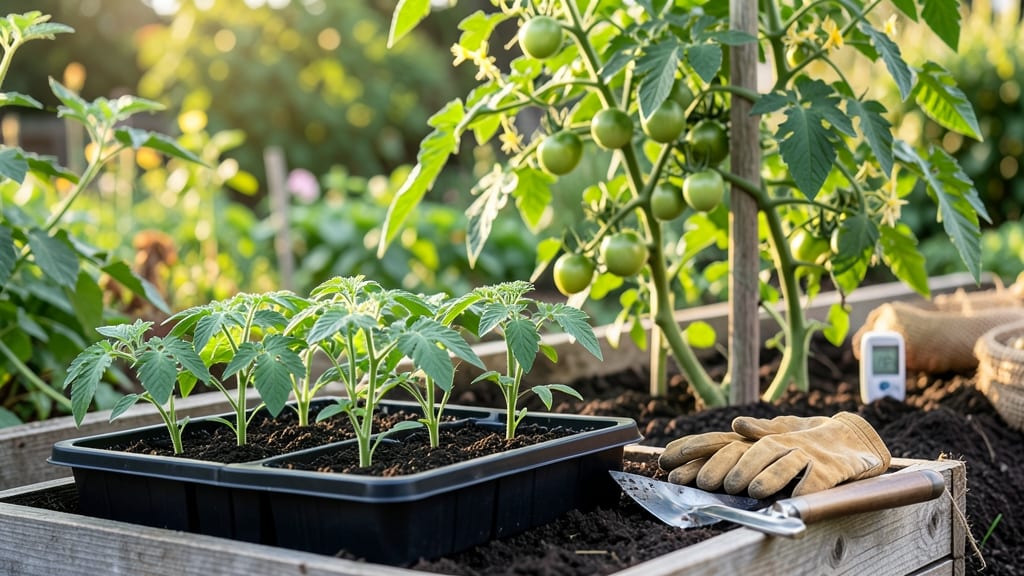
When should I plant tomatoes in Illinois? Timing your tomato planting isn’t just about following a calendar—it’s about beating the unpredictable spring frosts that can turn your 🍅 dreams into a crispy mess. With the state’s USDA zones 5b-6a and fluctuating weather, getting those seeds in the ground (or under lights) at the right moment means the difference between a garden full of lush vines and a sad, stunted disappointment.
I’ve learned the hard way that planting too early—even with heat-loving varieties—can leave your tomatoes struggling when nighttime temps dip below 50°F. But wait too long, and you might miss the April 15-May 15 window when soil finally warms to that sweet spot of 60°F+.
The key is knowing your region’s frost risks and heat tolerance thresholds, whether you’re in Chicago’s cooler north or Carbondale’s balmier south.
What if I told you there’s a science-backed strategy to maximize your harvest? From starting seeds indoors to transplanting at the perfect moment, I’ll walk you through the exact steps to give your tomatoes the best shot at thriving in Illinois’ climate.
Plus, I’ll share my top heat-tolerant varieties that actually perform when summer hits—no wilting in sight.
Ready to turn your garden into a tomato paradise? Let’s dive into the region-specific dates, variety recommendations, and pro tips that’ll have you picking ripe fruit from June through October. Your future self (and your taste buds) will thank you!
Illinois tomato planting dates by region: exact last frost & heat zone guidelines
Getting your tomato planting timing right in Illinois is about more than just avoiding frost—it’s about matching your soil temperature and heat zones to your chosen varieties. Illinois spans USDA zones 5b to 6a, which means planting windows can vary by 2-3 weeks from north to south.
For example, Chicago’s last frost typically hits around April 15, while St. Louis sees its last frost closer to April 1.
Tomatoes thrive when soil temperatures stay above 60°F—cold soil stunts root growth and delays fruiting. In Illinois, this usually aligns with late April to early May for most regions, but Northern Illinois (like Rockford) may need to wait until May 1 to be safe.
Southern Illinois (near Carbondale) can plant as early as March 20 for early varieties, but always check your local frost-free date.
Here’s the key rule: Plant outdoors only after your region’s last frost date and when nighttime temperatures consistently stay above 50°F. If you’re starting seeds indoors, begin 6-8 weeks before your last frost date to give seedlings a head start.
For Illinois, that means starting seeds around March 1 for Northern areas and February 15 for Southern regions.
| Region | USDA Zone | Last Frost Date | Optimal Planting Window | Soil Temp Threshold |
|---|---|---|---|---|
| Northern Illinois (Chicago, Rockford) | 5b-6a | April 15 | May 1 - May 15 | 60°F+ |
| Central Illinois (Springfield, Peoria) | 6a | April 1 | April 20 - May 1 | 60°F+ |
| Southern Illinois (St. Louis, Carbondale) | 6a-7a | March 20 | March 20 - April 15 | 55°F+ (earlier for heat-lovers) |
If you’re in Northern Illinois, consider using row covers or a cold frame to extend your season. These tools can push your planting window back by 1-2 weeks by trapping heat.
For Southern Illinois, where summers are hotter, focus on heat-tolerant varieties and shade cloth during peak afternoon sun to prevent sunscald on fruits.
Pro tip: Use a soil thermometer to confirm temperatures before planting. Tomatoes won’t grow well in soil below 60°F, even if frost isn’t a concern. In my garden, I’ve seen seedlings wilt dramatically when transplanted into 50°F soil, despite warm daytime air temperatures.
For a longer harvest, practice succession planting every 2-3 weeks after your initial planting date. This works especially well in Southern Illinois, where the growing season stretches until October 15. Plant fast-maturing varieties like 'Early Girl' first, followed by 'Better Boy' or 'Brandywine' for a staggered harvest.
Don’t forget to harden off seedlings before transplanting, especially if you started them indoors. Acclimate plants to outdoor conditions over 7-10 days by gradually increasing their exposure to wind and sun. This step is critical in Illinois, where sudden temperature swings can shock tender seedlings.
Finally, monitor your local weather forecasts for late-spring frost advisories. Even after the average last frost date, a late April freeze can devastate young tomato plants. If frost is forecasted, cover plants with frost blankets or move potted tomatoes to a sheltered spot until temperatures rise.
With these region-specific guidelines, you’ll maximize your chances of a healthy, productive tomato harvest—no matter where in Illinois you garden. 🌱
Best heat-tolerant tomato varieties for Illinois: top 5 choices for hot summers & humidity
Choosing the right tomato varieties is half the battle in Illinois, where summer heat and humidity can turn tender plants into sad, wilted shadows. Over the years, I’ve learned that traditional heirlooms often struggle when temps climb above 85°F, while heat-tolerant hybrids thrive.
The key is selecting varieties bred to handle Illinois’ USDA zones 5b-6a and our long, humid summers—think disease resistance and early maturity to beat the heat.
I’ve narrowed down the top 5 heat-tolerant varieties that consistently deliver in my garden, whether I’m in Chicago’s cooler north or Carbondale’s sweltering south. These picks balance flavor, yield, and resilience, so you don’t have to sacrifice taste for survival.
Let’s dive into the ones that’ve earned my trust—and my taste buds’ approval.
Heatmaster tops my list because it’s a disease-resistant powerhouse that thrives in 90°F+ temps. I’ve grown it in Southern Illinois during heatwaves, and it still produced heavy yields of smooth, red fruit. The trade-off? It’s a determinate variety, so it won’t sprawl like indeterminates—but that’s a plus if you’re short on space.
Solar Fire is my go-to for cherry tomatoes because it handles humidity better than most, and the sweet, tangy flavor is unbeatable. It’s indeterminate, so it keeps producing until frost. Pro tip: Prune aggressively to improve airflow and reduce disease risk in Illinois’ muggy summers.
If you’re in Northern Illinois where summers are slightly cooler but still unpredictable, Celebrity is a safe bet. It matures early (65-70 days) to beat late frosts, and its disease resistance is legendary.
I’ve seen it outperform $10 heirlooms in my Rockford garden during 50°F nighttime dips.
For late-season harvests, Heatwave II is a game-changer. It’s bred to handle extreme heat and keeps producing when other varieties give up. The flavor is solid, not exceptional, but the reliability makes it worth growing alongside other varieties.
Finally, Mountain Merit is my disease-resistant all-rounder for Central Illinois. It handles humidity and heat better than most heirlooms, and the medium-large fruit is perfect for slicing. Just be prepared for