
Trees
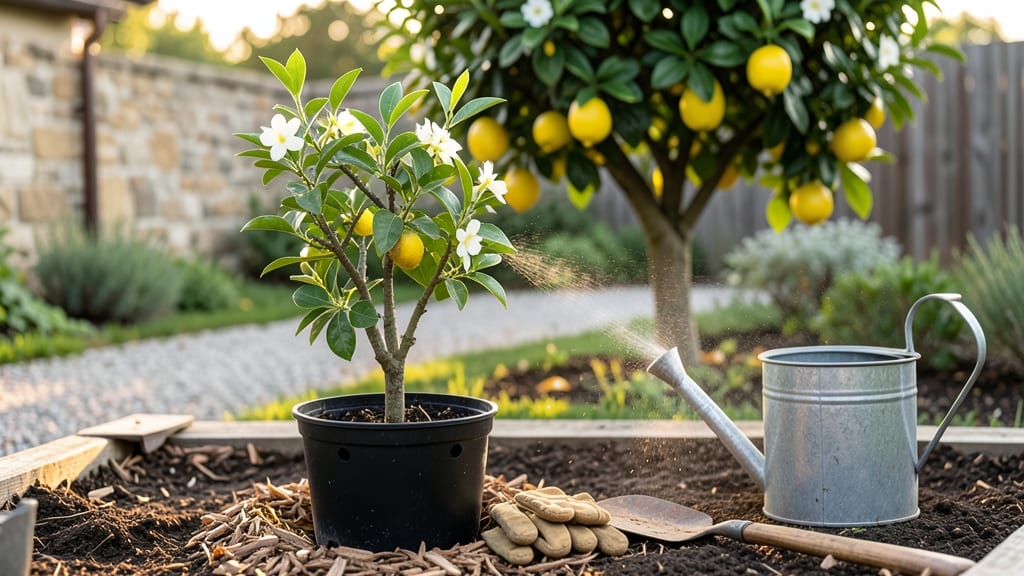
Planting a 🍊 citrus tree in Zone 9 at the wrong time can mean the difference between a thriving orchard and a struggling sapling. Unlike other plants, citrus trees demand precise timing to establish strong roots before summer’s scorching heat arrives.
If you’ve ever wondered why some citrus trees flourish while others wilt, the answer lies in understanding Zone 9’s unique climate. The best window for planting isn’t just about months—it’s about soil temperatures, humidity, and avoiding transplant shock.
I’ll break down the ideal months and what to watch for to set your tree up for success.
You might assume spring is the only time to plant, but late winter—specifically February or March—gives your citrus tree the perfect head start. This timing ensures roots grow deep before summer’s intensity kicks in, giving you healthier trees and better fruit production down the road.
Ready to avoid common mistakes and maximize your citrus tree’s potential? Let’s dive into the exact steps to plant at the right time, so you can enjoy a bountiful harvest year-round.
Ideal planting windows for citrus trees in Zone 9: month-by-month breakdown
Zone 9’s mild winters and hot summers create perfect conditions for citrus trees—but timing your planting is critical. Unlike colder zones, citrus thrives when planted during cooler months to avoid heat stress and establish strong roots before summer’s intensity.
My experience shows that late winter to early spring (February-March) is the gold standard for Zone 9 gardeners.
This window aligns with citrus trees’ natural growth cycle, allowing them to acclimate gradually to summer’s heat. Planting in late summer or fall (August-September) is also viable, especially for container-grown trees, but requires extra care to prevent transplant shock during hot spells.
Let’s break down the best months and what to expect.
February and March are my top recommendations for planting citrus in Zone 9. During these months, daytime temperatures average 65-75°F, giving young trees time to establish roots before summer’s peak. I’ve seen Meyer lemons and Navel oranges thrive when planted in February, often bearing fruit within 2-3 years.
For container citrus, late summer (August-September) works well because the root ball stays cooler in pots. However, you’ll need to water deeply every 2-3 days and provide afternoon shade during the hottest weeks.
My dwarf lime tree planted in September survived because I used a 5-gallon pot with well-draining soil.
Spring planting (April) is riskier in Zone 9 because temperatures can soar quickly. If you choose this window, plant before April 15 and mulch heavily with 3-4 inches of wood chips to retain moisture.
I’ve had grapefruit trees struggle when planted in May, showing signs of heat stress within weeks.
Never plant citrus in summer (June-July) or deep winter (December). Summer’s 90°F+ temperatures cause transplant shock, while December’s rare chilly snaps (below 40°F) can damage tender roots. I learned this lesson the hard way with a young Valencia orange tree planted in July—it took 6 months to recover.
Pro tip: Check your local
Critical factors that determine the best planting time for citrus in Zone 9
In Zone 9, the ideal planting window for citrus trees isn’t just about months—it’s about soil temperature, humidity levels, and how these factors interact with your specific citrus variety.
Unlike cooler zones, Zone 9’s mild winters and hot summers create unique challenges that can make or break your tree’s success.
First, soil temperature must stay above 60°F (15°C) for citrus roots to establish properly. Cold soil slows root growth, while scorching summer heat can cause transplant shock.
Most Zone 9 citrus trees (like Meyer lemons or Valencia oranges) thrive when planted in late winter or early spring, when temperatures are stable.
Next, consider humidity levels. High humidity in summer can promote fungal diseases, while dry spells require extra watering. Dwarf varieties handle humidity better than standard trees, making them ideal for Zone 9’s coastal areas. If you’re in a drier inland region, prioritize well-draining soil to prevent root rot.
Here’s the kicker: frost risk is minimal in Zone 9, but unexpected cold snaps can still occur in January or December. Young citrus trees are vulnerable, so avoid planting during these months unless you have frost protection (like row covers or microclimates).
Always check your local last frost date—even if rare.
🌱 Key Takeaways for Planting Citrus in Zone 9
- Soil Temp: Wait until soil is 60°F+ (late Feb–March)
- Humidity: High? Choose dwarf varieties to reduce disease risk
- Frost: Avoid January/December—even Zone 9 has rare cold snaps
- Variety: Meyer lemons adapt better than satsuma mandarins in heat
- Acclimate: Harden off container-grown trees for 7–10 days before planting
Finally, container vs. in-ground planting changes the game. Container-grown citrus can be planted year-round in Zone 9, but bare-root trees need soil warmth to thrive. If you’re planting in containers, use a fast-draining potting mix with perlite or sand to mimic Zone 9’s natural soil conditions.
Pro tip: Test your soil’s pH before planting—citrus trees prefer 6.0–7.0. If your soil is too alkaline, amend it with sulfur or peat moss to create the perfect environment for your new tree. The right prep work now means years of hassle-free citrus harvests later! 🍊