
Plants
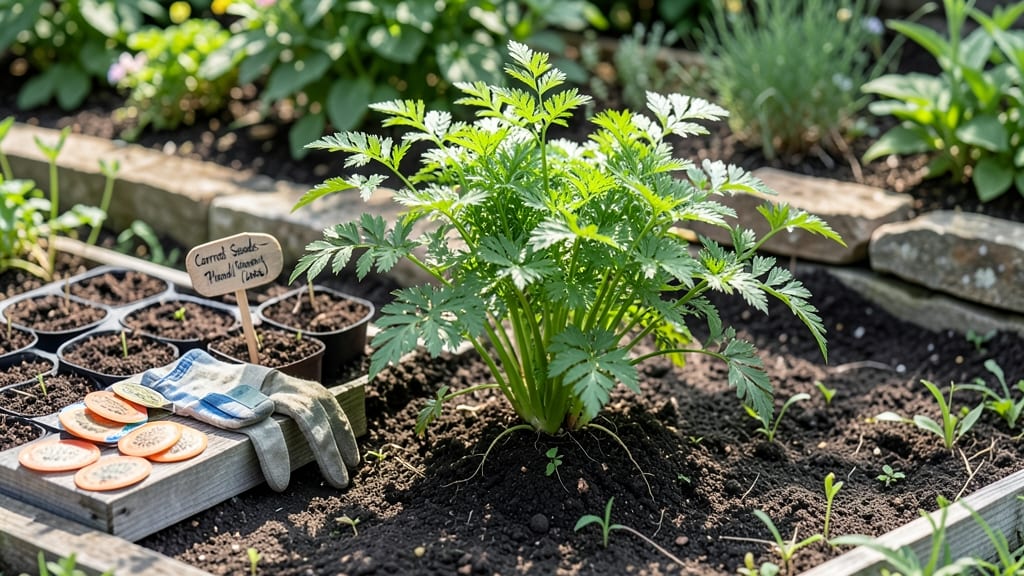
Knowing when to plant carrots in Zone 5b is the secret to harvesting crisp, sweet roots that actually taste like summer—not bitter, woody sticks. In my garden, timing makes all the difference between a bountiful harvest and a sad, half-buried mess.
Zone 5b’s short growing season means you’ve got just two narrow windows to get this right: early spring and late summer. Miss them, and you’ll either battle frost or watch your carrots bolt into flower stalks before you can say "organic snack."
Here’s the truth: carrots are finicky little things. They need consistent soil temps between 50-85°F to germinate properly, and Zone 5b’s last frost typically hits around mid-April. Plant too early, and your seeds will sit in cold, damp soil for weeks—if they even sprout at all.
Too late, and summer’s heat turns your roots into tough, stringy disappointments. The key? Start seeds indoors or direct-sow in late March, then follow up with a second planting in early August for a fall harvest.
But it’s not just about dates—it’s about the whole ecosystem in your garden. Carrots thrive when paired with herbs like parsley or chives, but they’ll bolt if crowded or stressed.
In Zone 5b, where summers can be unpredictable, I’ve learned to play it smart: succession planting, protective covers, and choosing the right varieties (like the fast-maturing ‘Danvers Half Long’) can turn your carrot dreams into reality.
Let me show you exactly how to nail those frost-free windows and grow carrots that’ll make your neighbors jealous.
Whether you’re a first-time gardener or a seasoned green thumb, getting this right means fewer wasted seeds and more homegrown goodness on your plate. I’ll walk you through the exact steps—from soil prep to harvest timing—to ensure your carrots grow straight, sweet, and ready to pull by late summer.
No more guessing, just crisp, perfect roots every time.
Zone 5b carrot planting calendar: exact dates for success
In Zone 5b, where last frosts typically hit around April 15 and first frosts arrive by October 15, timing your carrot planting is critical. The 60-80 day growth window means you have two prime opportunities: early spring for summer harvests and late summer for fall crops.
Let’s break down the exact windows and soil conditions to maximize your yield.
For spring planting, aim to sow seeds 4-6 weeks before your last frost date. In most of Zone 5b, that means March 15-April 1. Carrots need soil temperatures of at least 50°F to germinate, so don’t rush—wait until the ground warms.
If you plant too early, cold soil will delay germination, leaving your crop vulnerable to frost damage.
Here’s the key: Soil temperature is more critical than air temperature. Use a soil thermometer to confirm it’s consistently above 50°F before sowing. In cooler microclimates within Zone 5b, you might need to wait until mid-April for reliable germination.
The goal is to have carrots mature before summer heat causes them to become woody or bitter.
For fall planting, your window is narrower but still productive. Sow seeds July 15-August 15 to ensure harvests before the first frost. Fall-planted carrots benefit from cooler temperatures, which improve their sweetness. However, avoid planting after August 20, as they won’t have enough time to mature before frost.
Pro tip: If your Zone 5b area experiences microclimates (like a south-facing slope or urban heat island), you can extend your planting window by 1-2 weeks. Test your soil temperature in multiple spots to find the warmest areas for early sowing.
This is especially useful if you’re growing short-season varieties like 'Paris Market' or 'Early Nantes.'
Another critical factor is soil preparation. Carrots need loose, stone-free soil to grow straight. Work in compost or aged manure 2-3 weeks before planting to improve drainage and fertility. If your soil is heavy clay, consider planting in raised beds or containers to prevent forked roots.
For successive planting, sow seeds every 2 weeks from March through August. This ensures a steady supply of fresh carrots and prevents gluts. Just remember: the last batch should be planted no later than September 1 to avoid frost damage before harvest.
Staggered planting also helps manage pests like carrot rust fly, which thrive in dense plantings.
Finally, keep an eye on your local frost dates. While Zone 5b averages are reliable, actual dates can vary by 1-2 weeks depending on elevation and weather patterns.
Check your local cooperative extension service or use a frost calendar app for precise timing. With the right schedule, you’ll enjoy crisp, sweet carrots from summer through fall!
Zone 5b carrot planting calendar: exact dates for success
In Zone 5b, where the last frost typically arrives around April 15 and the first frost hits October 15, timing your carrot planting is critical.
Carrots thrive in soil temperatures between 50-85°F, so aim to plant when the ground warms enough for germination but before summer heat sets in. This means two ideal windows: early spring and late summer.
For spring planting, start seeds indoors 4-6 weeks before your last frost date (around March 1-15) to get a head start. Transplant seedlings outdoors 2 weeks before the last frost (April 1) or sow directly into the garden once soil reaches 50°F.
This ensures your carrots have 60-80 days to mature before summer heat arrives.
| Planting Window | Action | Soil Temp | Notes |
|---|---|---|---|
| Early Spring | Start indoors (March 1-15) | 50-60°F | Transplant after last frost (April 1) |
| Late Spring | Direct sow (April 15-May 1) | 55-70°F | Harvest by July 4th |
| Late Summer | Direct sow (July 15-August 15) | 60-75°F | Avoid bolting with shade cloth |
| Fall | Direct sow (August 1-Sept 15) | 55-65°F | Harvest before first frost (Oct 15) |
For a fall harvest, sow seeds directly into the garden July 15-August 15. This gives your carrots enough time to mature before the first frost in mid-October. Choose fast-maturing varieties (like 'Paris Market') for this window—they reach harvest in just 50-60 days.
Always test your soil's drainage and pH before planting. Carrots need loose, rocky-free soil with a pH of 6.0-7.0. If your soil is heavy clay, mix in compost or sand to improve drainage. A simple soil test kit (available at garden centers) makes this easy.
Pro tip: Use row covers or cold frames to extend your spring planting by 2-3 weeks. This protects seedlings from late frosts and speeds up germination in cooler soil. Just remove covers once seedlings emerge to prevent overheating.
Remember, succession planting every 2 weeks in spring and summer ensures a steady supply of fresh carrots. By staggering your plantings, you’ll avoid a glut of mature carrots all at once and enjoy homegrown roots from June through October.