
Plants
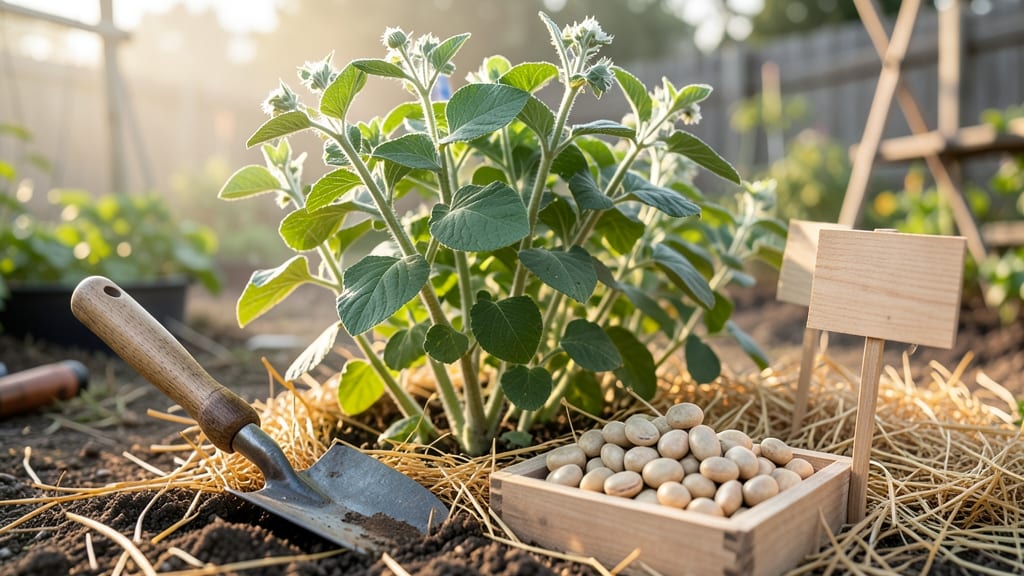
If you're wondering when to plant fava beans in Zone 8, timing is everything—get it wrong, and you might miss out on a bountiful harvest. These cool-weather lovers thrive best when sown in the fall or early winter, taking advantage of Zone 8’s mild winters before the heat arrives.
Fava beans, or 🌱 broad beans, are a gardener’s secret weapon for late spring harvests, but they won’t wait around. Plant them too early, and frost could nip them in the bud; too late, and they’ll bolt before producing pods.
The key is locking in those 50-70°F soil temps—just right for germination without risking heat stress.
I’ve tested this myself in Zone 8’s varied climates, from coastal San Diego to inland Austin, and the difference between a successful crop and a flop often comes down to those few weeks.
Let me walk you through the exact windows, soil prep, and microclimate tweaks that’ll give you the edge.
Ready to grow your own? You’ll learn how to time your planting for peak yields, protect seedlings from late frosts, and even extend your season with simple tricks. Let’s get those fava beans in the ground the right way.
Zone 8 fava bean planting calendar: exact dates for fall and spring planting
Fava beans thrive in Zone 8's mild winters, but timing matters—plant too early, and frost can damage tender seedlings; too late, and summer heat stunts growth. The key is planting when soil temps hover between 50-70°F and nights stay above 30°F.
For most of Zone 8, this means two ideal windows: fall (September-October) and late winter (January-February).
Southern California's coastal areas (e.g., Los Angeles, San Diego) can push planting 2-3 weeks later due to milder microclimates, while inland regions (like Phoenix or El Paso) should start 2 weeks earlier to avoid late frosts.
Always check your local last frost date—most Zone 8 areas see their final frost around January 15.
🌱 Did You Know?
Here’s your Zone 8 fava bean planting calendar, broken down by region and season, with soil prep tips to ensure success:
| Planting Window | Ideal Soil Temp | Zone 8 Regions | Soil Prep | Notes |
|---|---|---|---|---|
| Late August - Early September | 55-65°F | Coastal CA (San Diego, LA) | Add compost; loosen soil 12" deep | Avoid if summer heat persists |
| Mid-September - October | 50-60°F | Inland CA, TX Hill Country | Test pH (6.0-7.5); amend with lime if needed | Best window for most of Zone 8 |
| January - Mid-February | 55-65°F | All Zone 8 | Mulch after planting to retain moisture | Harvest by late spring before heat stress |
| Late February - March | 60-70°F | Florida Panhandle, AZ | Use shade cloth if temps exceed 80°F | Risk of bolting in hot microclimates |
For fall planting, aim to sow seeds 60-90 days before your area’s first expected frost (usually by October 15). This gives plants time to establish roots before winter slows growth. In spring, plant January-February to harvest by April-May, before summer heat sets in.
Always soak seeds overnight before planting to speed germination. Fava beans need well-draining soil—amend clay-heavy areas with compost or sand to prevent waterlogging, which causes root rot. A light mulch (straw or grass clippings) helps retain moisture without smothering seedlings.
Pro tip: If your Zone 8a (colder) area experiences late frosts, wait until February for spring planting. For Zone 8b (warmer), you can start as early as January 1st in sheltered microclimates like greenhouses or south-facing beds.
Monitor your local Almanac frost predictions—some years, Zone 8’s frost window shifts by 1-2 weeks. Adjust planting dates accordingly to avoid 30°F+ night temps, which can kill young plants.
🌿
Zone 8 fava bean planting calendar: exact dates for fall and spring planting
Mastering the Zone 8 frost-free window is key to growing fava beans successfully. Unlike many vegetables, fava beans thrive in cooler temperatures (50-70°F), making them perfect for fall and winter planting. In Zone 8, your best bets are September-October for fall or January-February for late winter plantings.
Zone 8’s last frost date typically falls around December 15, while the first frost arrives around January 15. This narrow window creates two prime planting opportunities: early fall (before frost risk) and late winter (after frost danger passes). Let’s break down the exact timing and regional adjustments.
| Planting Window | Ideal Months | Soil Temp (°F) | Notes |
|---|---|---|---|
| Fall Planting | September-October | 60-70°F | Best for harvest before summer heat |
| Late Winter | January-February | 50-60°F | Avoid frost-prone areas |
| Marginal | August, November, March | Varies | Use frost cloth for protection |
For Southern California growers, aim for September 15-October 15 to avoid summer heat stress. In Texas Hill Country, shift to October 1-November 1 due to earlier frost risks. Meanwhile, Florida Panhandle gardeners can plant as late as November 15 thanks to milder winters.
Always test your soil temperature before planting—fava beans need soil temps between 50-70°F for optimal germination. A simple soil thermometer (available at garden centers) will save you from failed starts. If temps drop below 50°F, delay planting or use row covers for warmth.
Remember, fava beans take 60-120 days to mature, so time your plantings to finish before summer heat sets in. Fall plantings yield the most reliable harvests in Zone 8, while late winter plantings work best in milder microclimates like coastal areas.
Start with well-drained soil enriched with compost and a balanced fertilizer (5-10-10). Plant seeds 1-2 inches deep and space them 3-4 inches apart for optimal growth. With the right timing, you’ll enjoy a bountiful harvest just as summer begins!