
Plants
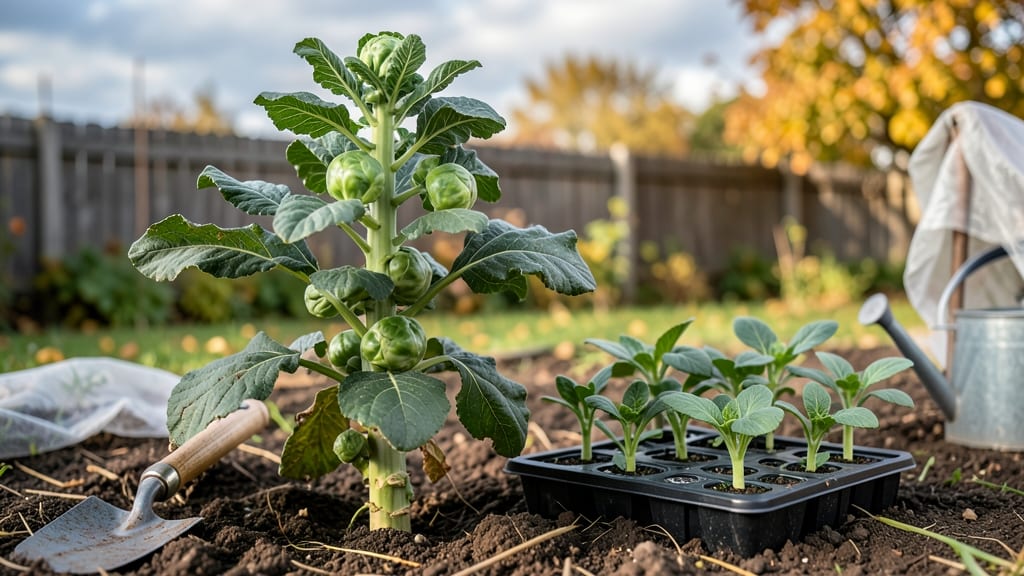
Timing your Brussel sprouts 🥦 planting in Southern California can mean the difference between a thriving harvest and a sad, wilted disappointment. Unlike other veggies, these cool-weather lovers demand precision—especially when coastal Santa Barbara and inland Riverside climates play by completely different rules.
You might assume all of SoCal is frost-free, but microclimates create real challenges. Plant too early near the coast, and your sprouts bolt in summer heat. Time it wrong inland, and you miss the sweet spot before winter rains arrive.
The key? Knowing exactly when to start seeds or transplant seedlings in your specific zone.
I’ve grown Brussels in both regions, and what works in USDA Zone 9b near the ocean fails miserably in Zone 11 desert areas. Let me break down the exact windows—plus soil prep secrets—that’ll have you harvesting plump, flavorful sprouts from December through February (or April-June if you plant in winter).
Ready to avoid the common mistakes that ruin harvests? We’ll cover spacing, companion plants, and even how to cheat the system with row covers. Your garden’s about to get a whole lot smarter.
Southern California Brussel sprout planting calendar: coastal vs inland start dates compared
Southern California’s diverse microclimates create two distinct planting seasons for Brussel sprouts. Coastal areas like Santa Barbara and Los Angeles enjoy mild winters with rare frost, while inland regions such as Riverside and San Bernardino experience cooler nights and occasional light frosts.
Understanding these differences ensures your sprouts thrive, not bolt prematurely.
For coastal gardeners, the ideal window is September through November, allowing plants to mature before winter rains. Inland gardeners should aim for January to February planting to avoid summer heat stress.
Both regions benefit from 6-8 week head starts for transplants, but timing adjustments are critical based on your specific zone.
Here’s how to align your planting with Southern California’s unique growing conditions:
| Region | Best Planting Window | Transplant Timing | Harvest Window | Key Considerations |
|---|---|---|---|---|
| Coastal (Santa Barbara, LA) | September 15 – November 15 | October 1 – November 15 | December – February | Mild winters, no frost risk; prioritize fall rains for moisture. |
| Inland (Riverside, San Bernardino) | January 1 – February 15 | February 1 – March 15 | April – June | Cooler nights, occasional frost; use row covers if temps dip below 30°F. |
| Desert (Palm Springs, Joshua Tree) | September 1 – October 15 | October 1 – November 15 | November – January | Extreme heat tolerance required; plant in shade cloth until established. |
Why does this matter? Brussel sprouts need consistent cool temperatures (50-70°F) to develop properly. Planting too early in coastal areas can lead to bolting (premature flowering), while inland gardeners risk heat stress if they wait too long.
Always check your USDA Zone (9b-11) and local frost dates, even in SoCal’s frost-free reputation.
For direct sowing, coastal gardeners can start seeds in late August, while inland growers should wait until mid-December. Seedlings take 80-120 days to mature, so plan backward from your first expected frost (or lack thereof).
Pro tip: Use shade cloth (30-50%) if planting in summer to protect young sprouts from intense Southern California sun.
Soil preparation is equally critical. Amend your soil with compost to retain moisture, and aim for a pH of 6.0-7.5. Coastal gardens benefit from organic matter to handle winter rains, while inland soils may need additional irrigation planning due to drier conditions.
Test your soil before planting—Brussel sprouts hate soggy roots!
Once planted, mulch heavily to retain moisture and suppress weeds. Inland gardeners should use straw mulch, while coastal gardeners can opt for wood chips. This simple step extends your harvest window by 2-3 weeks in both regions.
Just remember: mulch 2-3 inches deep but keep it away from the stem to prevent rot.
Finally, don’t overlook companion planting. Pair your Brussel sprouts with bush beans or lettuce to maximize space and deter pests. Avoid planting near tomatoes or cabbage, as they compete for nutrients. With the right timing and companions, your Southern California garden can yield homegrown sprouts year-round!
Ready to plant? Grab your calendar and mark those region-specific dates—your future harvest depends on it! 🥦
Southern California Brussel sprout planting calendar: coastal vs inland start dates compared
Southern California’s diverse microclimates mean your Brussel sprouts planting timeline depends heavily on whether you’re in coastal Santa Barbara or inland Riverside. Coastal areas enjoy milder winters, while inland zones can experience cooler nights and occasional frost. Understanding these differences ensures your 90-120 day varieties mature perfectly.
The key to success lies in planting 6-8 weeks before the first cool snap. For coastal gardeners, this means starting in late summer to early fall, while inland growers should aim for early fall or late winter.
Let’s break down the exact windows to maximize your harvest potential.
| Region | Planting Window | Transplant Time | Harvest Window | Key Consideration |
|---|---|---|---|---|
| Coastal (Santa Barbara, LA) | Late August - Early October | September - November | December - February | Mild winters; avoid summer heat |
| Inland (Riverside, San Bernardino) | Early September - Late October | October - December | January - March | Cooler nights; protect from rare frost |
| Coastal (Spring Planting) | January - February | February - March | April - June | Avoid summer bolting |
For coastal gardeners, late August is your best bet to start seeds indoors, with transplants going in by September. This timing ensures your Brussel sprouts mature before the mild winter chill sets in. Inland areas can push planting slightly later, with October being ideal for direct sowing.
If you’re aiming for a spring harvest, inland gardeners should start seeds in January and transplant by February. Coastal gardeners can attempt this too, but be cautious—summer heat can cause bolting. Always use shade cloth if planting early in hot months.
Pro tip: Cold-hardening your seedlings for 1-2 weeks before transplanting helps them adjust to cooler nighttime temperatures. This is especially critical for inland gardeners preparing for December frosts, even if rare.
Remember, soil temperature matters too. Aim for 45-85°F—any hotter, and your seeds may struggle to germinate. Use a soil thermometer to check before planting.