
Plants
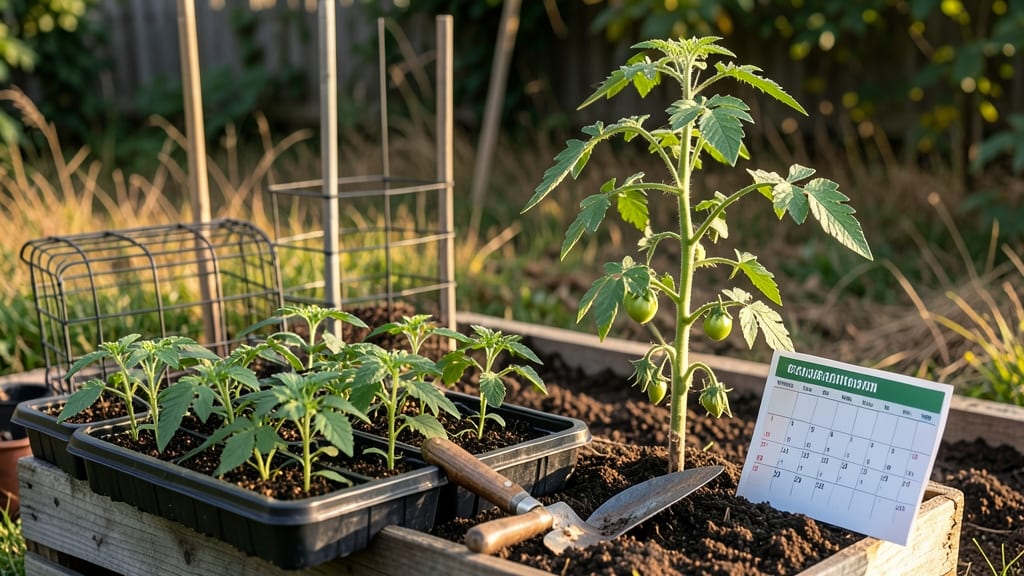
If you’ve ever watched your 🍅 tomato plants wilt under a surprise frost or struggled to time your harvest just right, you know Pennsylvania’s unpredictable spring can make planting a guessing game.
The difference between a thriving garden and a failed crop often comes down to knowing exactly when to plant—because getting it wrong means lost time, money, and the disappointment of watching your hard work fade before it even begins.
Here’s the truth: Planting tomatoes in Pennsylvania isn’t just about memorizing a date—it’s about understanding your USDA zone (5b-7a), tracking last frost dates, and preparing your soil to give those seedlings the best possible start.
Whether you’re starting seeds indoors or transplanting young plants, timing is everything to ensure your 🍅 tomatoes mature before the first chill of fall rolls in.
In this guide, I’ll break down the exact deadlines for planting in your specific corner of the state, from Pittsburgh’s cooler climate to Philadelphia’s slightly warmer stretches.
You’ll learn how to calculate your frost-free window, when to move seedlings outdoors without risk, and even how to stretch your harvest season with simple tricks that work in Pennsylvania’s variable weather.
Ready to turn your garden into a tomato powerhouse? Let’s get started—because the best time to plant isn’t just a date on the calendar, it’s a strategy to beat the odds and enjoy homegrown tomatoes from June through October.
Pennsylvania planting zones and last frost dates for tomatoes
Pennsylvania's diverse climate—spanning USDA zones 5b through 7a—means tomato planting deadlines vary dramatically across regions. Understanding your last average frost date is critical because tomatoes (Solanum lycopersicum) won't survive temperatures below 50°F (10°C).
In most of PA, this window opens between mid-April and late May, but microclimates near cities or mountains can shift these dates by 1-2 weeks.
For example, Philadelphia (Zone 7a) typically sees its last frost around April 15, while Pittsburgh (Zone 6b) often waits until May 1. Rural areas in northeastern PA (Zone 5b) may need to delay until May 15 to avoid late-season chills.
Always check local Almanac frost records or use tools like the National Weather Service's frost calculator for precision.
Here's how to calculate your zero-frost window: Subtract 14 days from your last frost date to account for seedling hardening time. For instance, if your last frost is April 20, start hardening seedlings by April 6 and transplant by April 20.
This ensures plants are 3-4 inches tall with 5-7 true leaves before going outdoors.
Soil temperature matters just as much as air temperature. Tomatoes need soil at 60°F (15.5°C) or warmer to thrive. Use a soil thermometer to confirm—cold soil delays germination and stunts growth.
In cooler zones like Erie (Zone 6a), consider black plastic mulch to warm the soil 5-10°F faster than bare earth.
Pro tip: Row covers can push your planting window 2-3 weeks earlier by trapping heat. Lay them over seedlings after transplanting to protect against light frosts (28-32°F). Just remove them during the day once temperatures stabilize above 55°F (13°C) to prevent heat stress.
🌱
| Region | USDA Zone | Last Avg. Frost | Safe Transplant Window | Notes |
|---|---|---|---|---|
| Philadelphia | 7a | April 15 | April 29 - May 15 | Urban heat island effect delays frost |
| Pittsburgh | 6b | May 1 | May 15 - May 31 | Mountain valleys may be 1 week later |
| Harrisburg | 6a | April 22 | May 6 - May 22 | Flat terrain = faster warming |
| Erie | 6a | May 10 | May 24 - June 5 | Lake effect delays spring |
| Scranton | 5b | May 15 | May 29 - June 10 | High elevation = cooler soils |
If you're unsure about your exact last frost date, use the 50% probability rule: Plant when the historical chance of frost drops below 50%. Websites like Almanac.com or PlantMaps.com provide county-specific data.
For example, Lancaster County (Zone 6b) has a 90% chance of frost by May 10, making late April risky for early transplants.
Another key factor is nighttime temperatures. Tomatoes need consistent nights above 50°F (10°C) to set fruit. In Zone 5b, this often means waiting until early June for reliable results.
Use heat-loving varieties like 'Celebrity' or 'Better Boy', which tolerate cooler conditions better than 'Sungold' or 'Cherry Roma'.
For gardeners in Zone 7a (southeastern PA), you can push the envelope with early April transplants under row covers or in greenhouses. Just monitor weather forecasts and have emergency frost cloth ready. A late frost in April 2021 hit Chester County with 28°F temperatures, wiping out unprotected seedlings.
🌿
Best time to transplant tomato seedlings vs. direct sowing in Pennsylvania
Deciding whether to start tomato seedlings indoors or plant directly in your Pennsylvania garden depends on your local frost dates and growing season length. Most PA gardeners opt for transplanting seedlings because it gives them a head start on the 60-90 day harvest window most varieties need.
For USDA zones 5b-6a (like Pittsburgh and State College), begin sowing seeds indoors 4-6 weeks before your last frost date. This typically means starting seeds in late February to early March—just in time for transplanting by mid-May.
In warmer zone 7a areas (like Philadelphia or Reading), you can push your timeline slightly later. Start seeds indoors in early March and transplant by early May to avoid late-spring frosts that can damage young plants.
📅 Key Timelines for Pennsylvania Tomato Planting
- Zones 5b-6a: Start seeds indoors Feb 20-March 15 → Transplant May 10-20
- Zone 7a: Start seeds indoors March 1-15 → Transplant April 25-May 10
- Direct Sowing: Only viable in zone 7a after May 15 (soil temp ≥60°F)
- Soil Prep: Amend beds with compost and balanced fertilizer 2 weeks before transplanting
Direct sowing tomatoes is risky in most of Pennsylvania unless you're in zone 7a with a longer growing season. Even then, plant seeds after May 15 only when soil temperatures consistently stay above 60°F—cold soil delays germination and invites disease.
Pro tip: Harden off seedlings by placing them outdoors in partial shade for 1-2 weeks before transplanting. Gradually increase their sun exposure to 6+ hours daily to prevent shock. Use cage supports or stakes immediately after planting to avoid damaging roots later.
If you're short on time, consider buying transplants from local nurseries in early May. Look for stocky, dark-green seedlings with 5-6 true leaves—these will establish faster than weaker starts. Just be sure to water them deeply after transplanting to reduce transplant shock.