
Trees
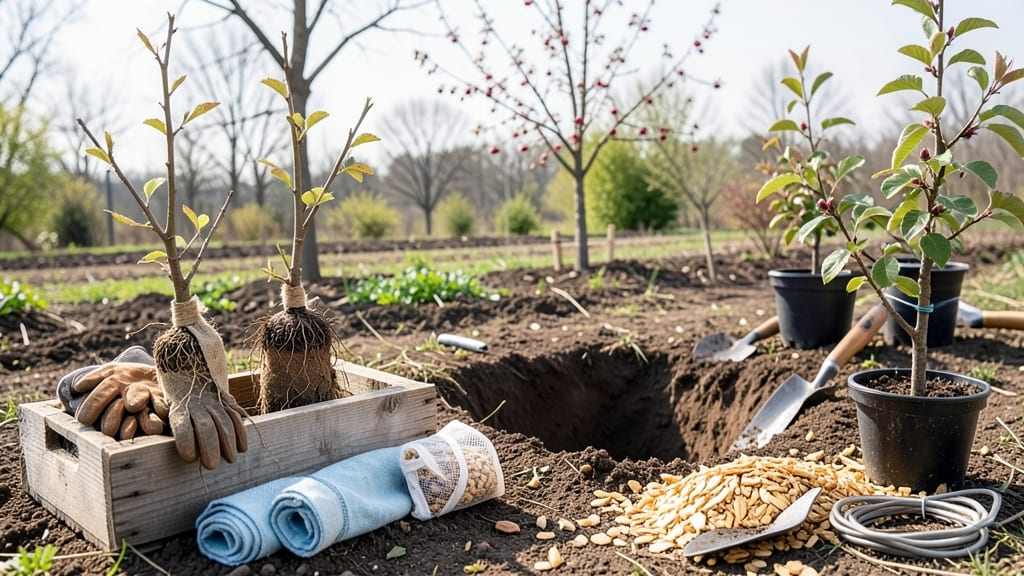
Timing your fruit trees planting in Wisconsin isn’t just about picking a month—it’s about beating frost, understanding your hardiness zone, and giving those roots the best shot at thriving.
With zones 4b-6a bringing early springs and late falls, getting it wrong could mean stunted growth or worse, frost damage before your tree even takes hold.
I’ve seen firsthand how a September planting can mean stronger root systems before winter, while an April rush might leave young trees vulnerable to late frosts. The key? Soil temperatures between 40-50°F, which Wisconsin’s early spring or late fall often delivers—but only if you know when to look.
Whether you’re dreaming of apple orchards or cherry blossoms, this guide breaks down the exact windows for your zone, soil prep secrets, and how to avoid common mistakes that turn hopeful saplings into sad statistics. Let’s get those 🍎 roots growing right.
From bare-root trees to container-grown varieties, I’ll walk you through what works in Wisconsin’s climate—so you can plant with confidence and harvest like a pro. Ready to turn your backyard into a fruit-bearing paradise?
Best planting months for Wisconsin fruit trees by hardiness zone
Wisconsin’s hardiness zones 4b-6a mean your fruit tree’s success hinges on precise timing. Planting too early risks frost heave, while waiting too late can stunt root growth before winter. The sweet spot? Early spring (April) or fall (September-October), when soil temps hit 40-50°F—ideal for root establishment.
For bare-root trees, spring planting (after last frost) gives roots time to grow before summer heat. Fall planting (6 weeks before first frost) lets roots settle before winter dormancy. Container-grown trees offer more flexibility but still need soil warmth.
Northern Wisconsin (zones 4b-5a) favors late April to early May for spring planting, while southern areas (zones 5b-6a) can start as early as mid-April. Fall planting works statewide from September 15-October 15, depending on frost dates.
🍎 Wisconsin Fruit Tree Planting Guide by Zone
| Zone | Spring Planting Window | Fall Planting Window | Soil Temp Requirement | Best Varieties |
|---|---|---|---|---|
| 4b-5a (North) | Late April - Early May | September 15 - October 1 | 40-45°F | Hardy apples (Honeycrisp), tart cherries, cold-resistant plums |
| 5b-6a (South) | Mid-April - Late April | September 20 - October 15 | 45-50°F | Sweet apples (Gala), peaches, early cherries |
⚠️ Pro Tip: Test soil temperature with a soil thermometer—roots need warmth to grow!
Peach and nectarine trees are southern favorites that thrive in zones 5b-6a but need spring planting—their roots can’t tolerate Wisconsin winters. Apple and cherry trees, however, handle fall planting beautifully when given proper winter protection.
Watch for last frost dates: Northern Wisconsin’s average is May 10, while southern areas see frost by April 25. Planting before these dates risks killing tender new growth. Use local USDA frost maps for precision.
For container-grown trees, you can plant anytime soil isn’t frozen, but spring or fall still offers the best establishment window. These trees adapt better to temperature shifts but still need 6-8 weeks to acclimate before winter.
Remember: Root growth, not top growth, determines a tree’s long-term health. Planting at the right time ensures roots establish before the first hard frost—giving your tree a 3x better chance of surviving Wisconsin winters.
After planting, mulch heavily (4-6 inches) to insulate roots from temperature swings. Use straw or wood chips, keeping mulch 6 inches away from the trunk to prevent rot.
🌱
How to prepare Wisconsin soil for fruit tree planting success
Wisconsin’s clay-heavy soil and acidic pH (often 5.0-6.0) can strangle young fruit tree roots if not amended properly. Before planting, I always test my soil—pH 6.0-7.0 is ideal for most fruit trees, while peaches and plums prefer slightly acidic soil (5.5-6.5).
Grab a soil test kit from your local UW Extension office for precise results.
Start by removing grass and weeds from the planting area—these compete for nutrients and moisture. Dig a 2-foot-deep hole (twice as wide as the root ball) and mix in 3 inches of compost or well-rotted manure.
For heavy clay soil, add sand or perlite to improve drainage—roots need oxygen, not soggy conditions.
If your soil is too acidic, sprinkle pelletized lime into the hole (follow package rates for your pH results). For alkaline soil, mix in sulfur or peat moss to lower pH gradually.
I’ve seen trees planted in unamended soil struggle—root rot from poor drainage or nutrient deficiencies can kill saplings before they even leaf out.