
Plants
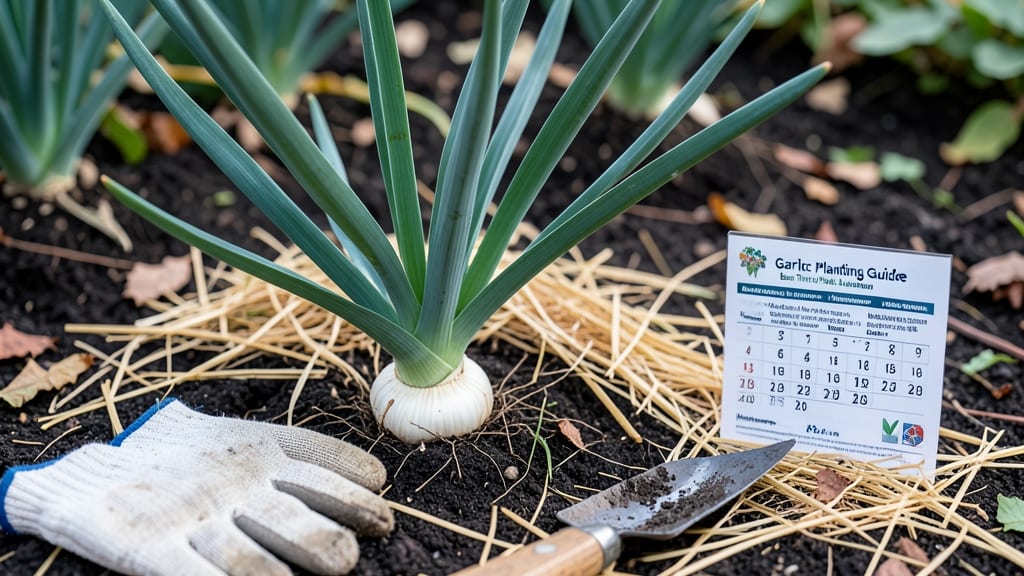
Timing is everything when you're planting garlic in Zone 6B, and getting it wrong could mean the difference between a thriving harvest and a disappointing one. The key window opens in fall, typically between October and November, when soil temperatures drop but the ground remains workable.
Why does this matter? Garlic planted in the right window has time to establish strong roots before winter, then emerges with vigor in spring. I’ve seen firsthand how a few weeks can change everything—from small, weak bulbs to plump, flavorful harvests ready by late summer.
But what if you miss the fall window? Don’t worry—spring planting is still an option, though it requires extra care. I’ll walk you through the best strategies for both seasons, plus how to prepare your soil and cloves for success.
Let’s dive into the exact steps to ensure your 🧄 garlic thrives in Zone 6B, whether you’re planting now or saving it for next year.
Best planting windows for garlic in zone 6B: fall vs. spring timing
In Zone 6B, timing is everything when planting garlic—the difference between a fall-planted crop and a spring-planted one can mean plump bulbs or tiny, weak harvests.
The ideal window for fall planting is 4-6 weeks before your first frost, which in Zone 6B typically falls between mid-October and mid-November. This timing allows garlic to establish strong roots before winter dormancy while avoiding early frost damage to emerging shoots in spring.
For most of Zone 6B, the absolute deadline for fall planting is November 15th, aligning with the average first frost date. Planting after this risks poor root development before winter, leading to smaller bulbs.
If you miss this window, spring planting is possible but yields smaller, less flavorful cloves—think of it as a backup plan rather than the preferred method.
Here’s the key difference: Fall-planted garlic spends winter dormant, then bolts and matures in spring/summer, producing large, full-flavored bulbs. Spring-planted garlic, on the other hand, grows quickly but weakly, often producing small, pungent cloves that lack the depth of flavor.
If you’re aiming for gourmet-quality garlic, prioritize fall planting—it’s worth the planning!
Pro Tip: Use your local frost date as a guide. Check resources like the USDA Plant Hardiness Zone Map or your local cooperative extension service for precise dates tailored to your Zone 6B microclimate. Even a 1-2 week difference can impact bulb size.
Fall vs. Spring Planting in Zone 6B
| Factor | Fall Planting (Oct–Nov) | Spring Planting (Mar–Apr) |
|---|---|---|
| Planting Window | 4–6 weeks before first frost | After last frost, before May 1 |
| Bulb Development | Overwinters dormant, matures in spring/summer | Grows quickly but weakly |
| Bulb Size | Large (2–3 inches) | Small (1–1.5 inches) |
| Flavor | Rich, full-bodied | Mild, pungent |
| Harvest Time | Late July–August | Late August–September |
| Best For | Gourmet cooking, storage | Fresh use, small batches |
If you’re new to garlic growing, I recommend starting with fall planting—it’s the safest bet for Zone 6B. The soil temperature should be below 70°F (around 60–65°F) when you plant, signaling that the roots will establish before winter.
Use a soil thermometer if you’re unsure; planting in warm soil can trigger premature sprouting, leaving cloves vulnerable to frost.
For spring planting, aim for early March to mid-April, but be prepared for smaller yields.
This method works best if you missed the fall window or want fresh garlic for summer recipes. Hardneck varieties (like ‘Music’ or ‘German White’) perform better in spring than softneck types, which are better suited for fall.
One common misconception is that garlic can be planted anytime in fall—but late planting (after November 15 in Zone 6B) risks frost-heaving, where freezing and thawing push cloves out of the soil.
To prevent this, mulch heavily (4–6 inches) with straw or leaves after planting. This insulates the soil and protects young roots.
Finally, consider regional microclimates within Zone 6B. Areas near large bodies of water or with urban heat islands may have later frost dates, extending your planting window by 1–2 weeks.
Always monitor local weather forecasts and adjust accordingly—garlic is forgiving, but timing is critical for maximum yield!
Ready to plant? In the next section, I’ll walk you through preparing garlic cloves and planting them correctly for Zone 6B success—including spacing, depth, and soil prep to ensure strong, healthy bulbs next summer. 🧄
Best planting windows for garlic in zone 6B: fall vs. spring timing
Garlic thrives in Zone 6B when planted at the right time, and fall planting is your best bet for large, flavorful bulbs. The key is to plant 4-6 weeks before the ground freezes, typically between mid-October and November.
This gives roots time to establish before winter dormancy, ensuring strong growth in spring.
For Zone 6B, aim to plant garlic cloves when soil temperatures drop to 40-50°F. This usually aligns with late October to early November, depending on your exact location.
If you miss this window, don’t worry—spring planting is possible, but bulbs may be smaller and less robust.
Spring planting in Zone 6B works best if done as early as March, ideally before April 15 (the average last frost date). However, spring-planted garlic often produces smaller bulbs because it misses the critical cold stratification period that enhances flavor and size.
| Planting Window | Best Months | Soil Temp | Bulb Development |
|---|---|---|---|
| Fall Planting | Mid-October to November | 40-50°F | Large, flavorful bulbs |
| Spring Planting | March to early April | 50-60°F | Smaller bulbs, less flavor |
🌱 Pro Tip: Use a soil thermometer to confirm temps before planting.
If you’re unsure about your last frost date, check local weather records or use the USDA Plant Hardiness Zone Map. In Zone 6B, the average last frost is around April 15, so adjust your planting timeline accordingly.
For example, if your frost date is earlier, plant garlic in early October.
Another critical factor is daylength. Garlic needs 10-12 hours of daylight to form bulbs properly. Fall planting ensures this requirement is met naturally, while spring planting may lead to bolting (premature flowering) if days get too long too soon.
For maximum yield, focus on fall planting and choose hardneck varieties, which handle Zone 6B winters better than softneck types. If you’re experimenting with spring planting, opt for smaller cloves to reduce bolting risks.