
Plants
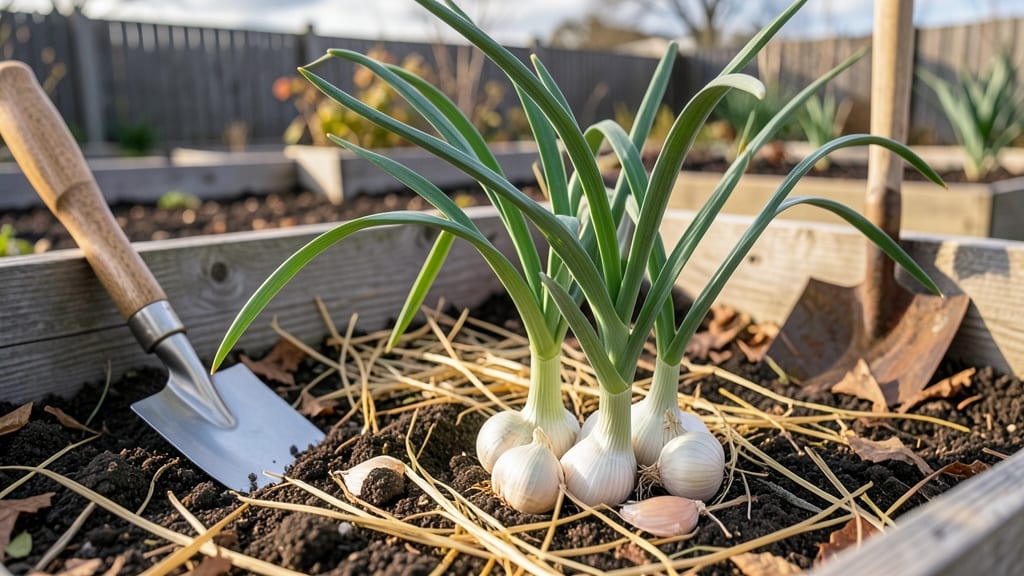
Planting garlic at the wrong time in Zone 4 can mean the difference between a bumper crop of 🧄 and wasted effort—but most gardeners miss the optimal window.
The secret to growing hardneck garlic lies in timing it perfectly between late September and early October, when soil temperatures drop and the days grow shorter.
Why does timing matter so much? Because garlic needs 6-8 weeks of cold exposure to form strong bulbs, and planting too early or late disrupts this critical process.
In Zone 4, where winters are harsh and summers are short, getting this window right is the key to flavorful, plump garlic heads by next summer.
I’ll show you exactly how to adjust for your local frost dates, soil conditions, and even microclimates—so you can avoid common mistakes that ruin harvests. Whether you’re a first-time gardener or a seasoned grower, these fall timing secrets will help you maximize your garlic’s potential.
Let’s dive into the science behind why September-October is the magic window and how to fine-tune your planting schedule for the best results in Zone 4’s unpredictable climate.
Best fall planting window for Zone 4 garlic
In Zone 4, timing your garlic planting in the fall is everything—it’s the key to growing large, flavorful bulbs that survive harsh winters. The ideal window is a tight 6-week period between late September and early October, but why?
This timing ensures garlic establishes roots before the ground freezes while avoiding the risks of early planting (like rot) or late planting (smaller bulbs).
Garlic needs 4-6 weeks of root growth before winter dormancy sets in. If planted too early, cloves may sprout and rot in soggy fall soil. Plant too late, and the bulb won’t mature fully before summer’s heat.
The goal? A frost-free root zone until late November, followed by consistent cold to harden the plant for winter.
For Zone 4 gardeners, I recommend using your average first frost date as your anchor. Check local records—most Zone 4 areas see their first frost around mid-October.
Count back 6 weeks from that date to land on your planting window. For example, if frost hits October 15th, aim to plant by September 1st.
Pro tip: Use a soil thermometer to confirm the ground is between 40-50°F (4-10°C)—this sweet spot signals it’s time to plant. Cold soil slows sprouting, reducing rot risk. If your soil is still warm in late September, wait a few days or plant in raised beds, which cool faster.
Moon phases can also guide timing, though they’re secondary to frost dates. Planting during a waxing moon (when roots grow strongest) is said to boost bulb development. For Zone 4, this often aligns with early October. Just don’t let moon phases override your frost deadline!
| Stage | Action | Zone 4 Timing |
|---|---|---|
| Soil Prep | Loosen soil, add compost, test pH (6.0-7.0) | Late August |
| Planting | Cloves 2" deep, pointed end up, 4-6" apart | Late Sept - Early Oct |
| Winter | Mulch 2-4" deep with straw | After ground freezes |
| Spring | Remove mulch, fertilize lightly in July | April - June |
| Harvest | When lower leaves brown | Mid-July |
Hardneck garlic varieties like 'German White' or 'Music' thrive in Zone 4’s cold winters, but timing still matters. These varieties need vernalization (a period of cold) to form bulbs.
Plant too late, and they’ll bolt (flower) prematurely, reducing bulb size. Early varieties like 'Silverskin' are more forgiving but yield smaller bulbs.
If you’re unsure about your local frost dates, check the USDA Plant Hardiness Zone Map or ask your local cooperative extension office. They’ll provide hyper-local advice tailored to your microclimate.
For example, gardeners in northern New York might plant by September 15th, while those in southern Wisconsin could extend to October 5th.
Remember: Garlic planted in fall matures the following summer, not the same year. The bulbs you harvest in July were started months earlier. This long growth cycle is why timing in fall is non-negotiable—it sets the stage for next year’s harvest.
Finally, don’t overlook soil temperature. Use a thermometer to confirm it’s below 50°F (10°C) before mulching. If your soil stays warm, delay planting or use black plastic mulch to cool it faster. This small step can save your crop from rot.
Best fall planting window for Zone 4 garlic
In Zone 4, timing your garlic planting within a 6-week window—from late September to early October—is critical for hardneck varieties to develop large bulbs.
This window ensures garlic gets 4-6 weeks of root growth before winter dormancy, while avoiding the risk of premature sprouting or freeze damage to tender shoots in spring.
Think of it as a race against the clock: plant too early, and cloves may sprout before winter; too late, and roots won’t establish before the ground freezes.
Your first frost date (typically mid-October in Zone 4) is your anchor. Aim to plant 4-6 weeks before the ground freezes solid—usually when soil temps drop to 40°F (4°C). For example, if your frost date is October 15, plant between September 20 and October 5.
This gives roots time to anchor before winter, while preventing cloves from sprouting too early and becoming vulnerable to freeze damage.
| Stage | Action | Zone 4 Timing |
|---|---|---|
| Soil Prep | Loosen soil, amend with compost | Late August–early September |
| Planting | Cloves 2" deep, pointed end up | Late September–early October |
| Winter Dormancy | Mulch 2–3" thick | After planting until spring |
| Spring Growth | Remove mulch, water deeply | April–May |
Some gardeners swear by moon phases for planting, aiming for the waning moon (after the full moon) to encourage root growth. While not scientifically proven, it’s a useful secondary guide.
Pair this with checking soil temperatures—ideal planting temps are between 40–50°F (4–10°C). Use a soil thermometer to confirm readiness, especially if your fall weather is unpredictable.
Hardneck garlic varieties (like 'Music' or 'German White') thrive in Zone 4’s cold winters, but timing is everything. Plant too early, and cloves may sprout before winter, only to freeze back.
Plant too late, and roots won’t establish before the ground locks up. The 6-week window balances these risks, giving your garlic the best shot at large, flavorful bulbs by next summer.
Pro tip: If your fall is unusually warm, delay planting until soil temps drop closer to 50°F (10°C). Conversely, in cold years, plant on the earlier side of the window. Adjustments like these can mean the difference between 50% and 100% yield success.
Remember, garlic planted in fall is a next-year harvest—patience is key! With the right timing, you’ll enjoy fresh garlic from your garden by mid-July.