
Plants
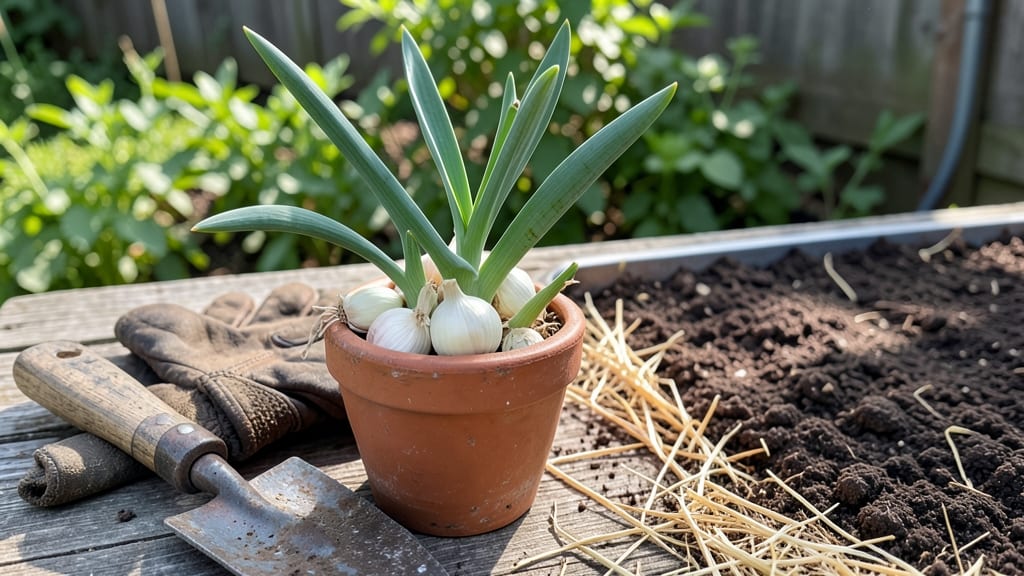
If you've ever wondered when to plant garlic in Zone 9, the answer isn't just about picking a random month—it's about working with your climate's unique rhythm.
Unlike cooler zones where garlic thrives in early fall, Zone 9's mild winters demand a more strategic approach to avoid heat stress and ensure those plump, flavorful bulbs you crave.
Here's the secret: Planting your 🧄 garlic between October and December gives those cloves the perfect balance of cool soil temperatures and winter dormancy they need to form strong roots. This timing works especially well for Zone 9b's gentle climate, where frost is rare and the ground rarely freezes solid.
What makes this even more exciting is that you can grow both hardneck and softneck varieties successfully in Zone 9. The key is understanding how to adjust for your specific microclimate—whether you're in coastal San Diego or the inland desert areas.
Let me show you exactly how to time your planting for maximum success, including soil prep tips that will have your garlic thriving when most gardeners are still putting their tools away.
Ready to grow garlic that rivals what you'd find at the farmers' market? I'll walk you through everything from choosing the right varieties to protecting your crop from unexpected warm spells. Your journey to homegrown garlic starts with knowing exactly when to plant it in your Zone 9 garden.
Optimal planting months for garlic in Zone 9: the science behind success
In Zone 9, garlic thrives when planted in late fall—typically between November and December. This timing ensures your cloves experience the cool winter temperatures they need to form bulbs, while avoiding the heat stress of summer.
Unlike cooler zones, Zone 9’s mild winters mean you can’t plant as early as October without risking rot.
The ideal soil temperature for planting is around 60°F (15°C). In Zone 9, this usually occurs in November, giving garlic enough time to establish roots before winter rains.
Coastal areas like San Diego may plant slightly later (December), while inland desert regions like Palm Springs should aim for October-November.
Hardneck varieties (e.g., 'German White') need 4-6 weeks of chilling below 50°F (10°C) to form bulbs. Zone 9’s winters rarely drop this low, so plant early—by mid-November—to maximize chilling time. Softneck varieties (e.g., 'Artichoke') are more forgiving and can handle later plantings.
Soil preparation is critical in Zone 9. Garlic prefers well-draining soil with a pH of 6.0–7.0. Amend heavy clay soils with compost or sand to prevent waterlogging. A 3-inch layer of mulch (straw or wood chips) helps retain moisture and regulate soil temperature.
One common misconception is that garlic can be planted anytime in mild climates. But Zone 9’s warm winters can trick garlic into premature sprouting, leading to weak bulbs. Planting too late (after January) risks heat stress as temperatures rise in spring.
Microclimates matter in Zone 9. Coastal areas stay cooler longer, while inland valleys warm up faster. Adjust planting dates by 2-4 weeks based on your local frost-free period. For example, Los Angeles gardeners might plant in late November, while Palm Springs could start in October.
Hardneck garlic varieties like 'Silverskin' or 'Purple Stripe' are popular in Zone 9 because they tolerate mild winters better than softnecks. However, they still need early planting to meet their chilling needs.
If you’re unsure, opt for softneck varieties like 'California Early', which are more adaptable to Zone 9’s climate.
After planting, water deeply once a week to encourage root growth. Avoid overhead watering to prevent fungal diseases like white rot. As spring approaches, reduce watering slightly to harden off the bulbs before harvest.
By June or July, your garlic should be ready for harvest—just wait for the lower leaves to brown while the upper leaves stay green.
Remember, Zone 9’s unpredictable weather can throw off timing. Keep an eye on soil temperatures and adjust planting dates if winters are unusually warm. With the right approach, you’ll harvest plump, flavorful bulbs even in Southern California’s mild climate! 🌱
Zone 9 garlic planting calendar: exact dates by variety and location
In Zone 9, your garlic planting window is narrower than cooler climates—but timing it perfectly means the difference between plump bulbs and stunted growth. Since Zone 9 rarely sees frost, we focus on soil temperatures and daylight hours to trigger bulb formation.
For most of Southern California, aim to plant between mid-October and mid-December, with adjustments for your specific microclimate.
Coastal areas like San Diego (Zone 9b) can plant slightly later due to milder winters, while inland desert regions like Palm Springs (Zone 10a) should plant earlier to avoid early spring heat. Valley areas like Los Angeles fall somewhere in between, with November being the sweet spot for most gardeners.
🌱
Hardneck varieties like 'German White' or 'Purple Stripe' need that chilling period to form bulbs, so plant them earlier in your window. Softnecks like 'Artichoke' or 'Silverskin' are more flexible and can handle slightly later plantings.
If you miss the ideal window, don't panic—you can still plant through January, but expect smaller bulbs.
For gardeners in warmer microclimates, consider using shade cloth or drip irrigation to keep soil moist during dry spells. Mulch with straw or wood chips to maintain even soil temperatures and prevent heat stress in early spring.
This simple step can extend your planting window by 2-3 weeks in marginal areas.
🌿