
Plants
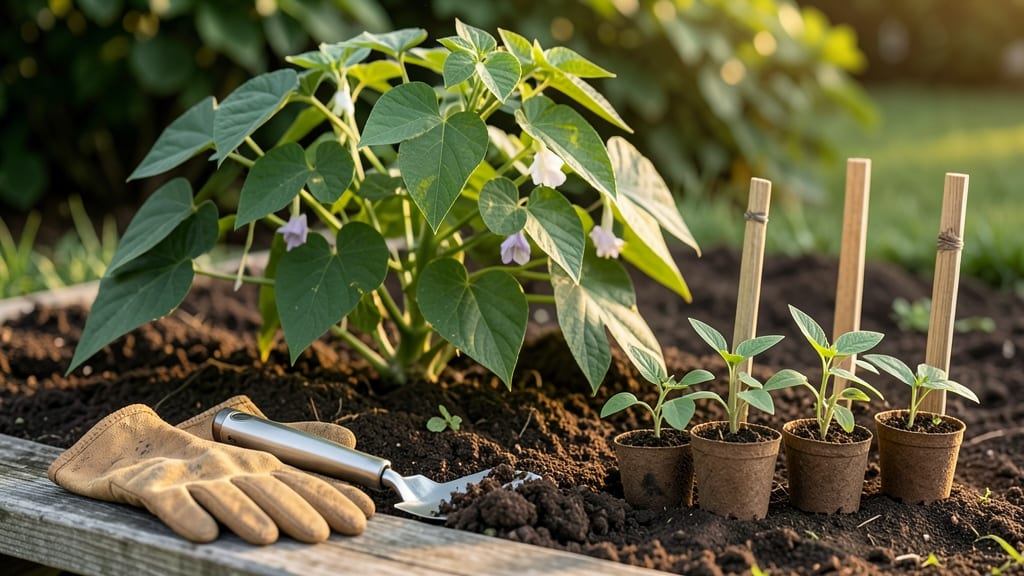
Timing your 🌱 beans just right in Wisconsin could mean the difference between a bountiful harvest and a sad little patch of struggling plants.
If you've ever watched your hard work wither away because you planted too early—or missed the window entirely—you know how frustrating it can be to get the timing wrong.
The key to success lies in knowing when exactly to get those seeds in the ground, which varies depending on whether you're in Zone 4b or Zone 5a.
In Wisconsin, where last frost dates can swing wildly from mid-April in the south to late May in the north, planting too soon risks frost damage, while waiting too long might leave you with a short harvest window.
I’ll break down the exact frost-free deadlines you need to follow, plus how to adjust for your specific microclimate—whether you’re in a city heat pocket or a cooler rural area.
You’ll also discover which bean varieties thrive best in Wisconsin’s short growing season and how to stretch your harvest into fall with simple tricks.
By the end, you’ll have a clear, foolproof plan to plant your beans at the perfect moment, ensuring a steady supply of fresh, homegrown pods from July through September. Let’s get those seeds in the soil the right way!
Wisconsin bean planting dates by Zone 4b & 5a (with frost risk charts)
Wisconsin’s last frost dates vary dramatically between Zone 4b (northern) and Zone 5a (southern), making timing critical for bean success. In Zone 4b (think Wausau or Green Bay), average last frost occurs around May 15, while Zone 5a (Madison or Milwaukee) sees frost-free conditions by April 30.
Planting too early risks frost damage, while waiting too long cuts harvest season short.
Beans thrive when soil temperatures reach at least 60°F—a threshold typically met 2-3 weeks after last frost. Use a soil thermometer to confirm readiness, especially in cooler microclimates like urban areas with concrete heat absorption delays.
Rural areas often warm faster, giving you a 1-2 week head start over city gardens.
For bush beans (like 'Blue Lake'), aim to plant 2-3 weeks after last frost—around May 15 in Zone 4b and April 30 in Zone 5a. Pole beans (e.g., 'Kentucky Wonder') need longer growing seasons, so start them 1 week later to ensure maturity before first frost (typically October 15).
Here’s how Wisconsin’s microclimates affect planting:
| Zone | Last Frost Date | Planting Window | Soil Temp Threshold | Frost Risk |
|---|---|---|---|---|
| Zone 4b (Northern WI) | May 15 | May 15–May 31 | 60°F+ | High (late frosts common) |
| Zone 5a (Southern WI) | April 30 | April 30–May 15 | 60°F+ | Moderate (earlier frost-free) |
| Urban Areas (e.g., Milwaukee) | May 5 | May 10–May 25 | 60°F+ (delayed warmth) | High (concrete delays soil warming) |
| Rural Areas (e.g., Barron) | May 10 | May 5–May 20 | 60°F+ (sooner) | Low (warmer microclimate) |
Use row covers or cold frames to extend your planting window by 2-3 weeks in Zone 4b. These tools protect young plants from late frosts while allowing soil to warm faster. For example, Black plastic mulch can raise soil temperatures by 5-10°F, helping you meet the 60°F threshold earlier.
Succession planting is key in Wisconsin’s short season. Sow bush beans every 2 weeks from May to early July to stagger harvests. Pole beans, with their longer maturity (80-100 days), should only get 1-2 plantings per season.
In Zone 5a, you might squeeze in a late July planting for a fall harvest before frost.
Monitor local frost forecasts via the Midwestern Regional Climate Center or your county UW-Extension office. Their weekly updates can help you adjust planting dates if an unexpected cold snap is predicted.
Pro tip: Hardening off seedlings for 3-5 days before transplanting improves their resilience to temperature fluctuations common in Wisconsin springs.
If you’re in Zone 4b and miss the ideal window, consider container gardening on a patio or balcony. Containers warm up faster and can be moved to protected spots during cool nights. Just ensure pots have drainage holes to prevent root rot from Wisconsin’s heavy spring rains.
Remember: Beans are heat-lovers—they’ll bolt (flower prematurely) if stressed by cool nights. Aim for consistent daytime temps above 70°F for best results. In Wisconsin, this typically aligns with late May to early June, making those dates your sweet spot for planting.
🌱
Best bean varieties for Wisconsin’s short growing season (and how to extend it)
Wisconsin’s short growing season (only 140-180 frost-free days) demands the right bean varieties to maximize harvests. Choose fast-maturing types like ‘Blue Lake Bush’ (55 days) or ‘Kentucky Wonder Pole’ (60 days) to beat fall frost. These thrive in Wisconsin’s Zone 4b-5a and produce high yields even with cooler nights.
For early spring planting (late April), opt for cold-tolerant varieties like ‘Provider’ beans, which germinate at 50°F soil. If you’re planting in July for fall harvests, try ‘Contender’—a dwarf snap pea that matures in just 50 days before frost.
Pole beans like ‘Rattlesnake’ are ideal for trellises, saving space in small gardens. Their vining habit extends harvests by 2-3 weeks compared to bush types. Pair them with corn and squash (the "Three Sisters" method) to improve soil fertility naturally.
🌱 Top Bean Varieties for Wisconsin
- Blue Lake Bush | Fast-maturing (55 days), great for canning
- Kentucky Wonder Pole | Classic pole bean (60 days), high yield
- Contender Snap Pea | 50-day dwarf, perfect for fall planting
- Provider | Cold-hardy, germinates at 50°F soil
- Rattlesnake | Pole bean, disease-resistant, trellis-friendly
Extend your harvest season with row covers or cold frames. These protect plants from early fall frosts (as low as 28°F) and let you plant 30-45 days later than usual. For example, a lightweight frost blanket can push ‘Blue Lake’ harvests into late September instead of early August.
Succession planting is key—sow new seeds every 2 weeks from May to July to ensure a steady supply. Bush beans mature faster than pole beans, so prioritize them for early and late plantings. Save seeds from your best plants to adapt to Wisconsin’s unpredictable climate over time!
Test your soil’s pH (6.0-7.0 ideal) and add compost before planting. Nitrogen-fixing beans don’t need heavy fertilization, but a light 5-10-10 mix at planting boosts early growth. Mulch with straw to retain moisture and suppress weeds—critical in Wisconsin’s variable rainfall.