
Plants
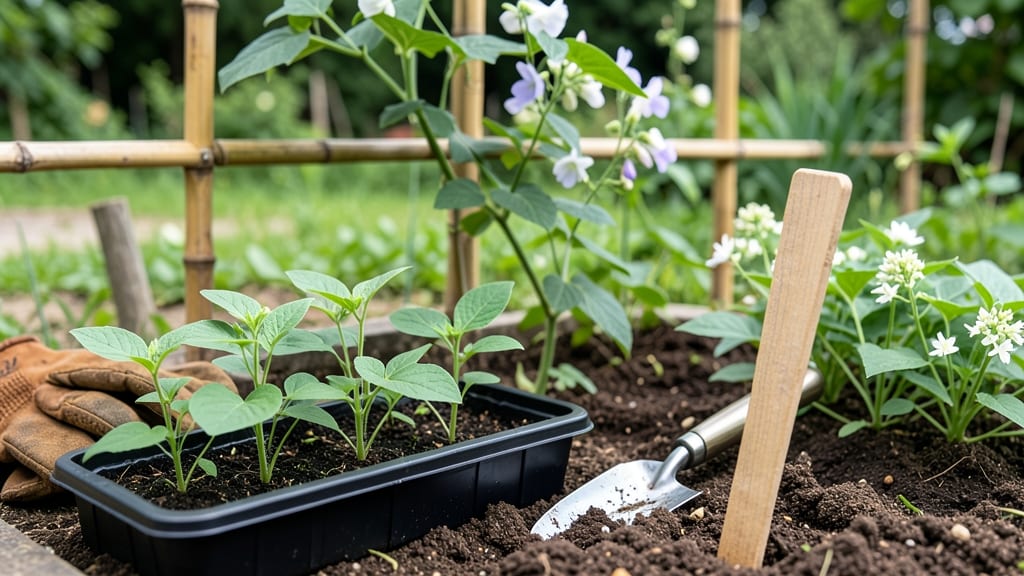
Timing your beans 🌱 planting in Seattle can mean the difference between a bountiful harvest and a wasted effort—because that last frost sneaks in later than you’d expect.
With USDA Zone 8a conditions, you’ve got just two narrow windows to get it right: mid-April to early June for spring beans or late July to early August for a fall crop. Plant too soon, and a surprise freeze will turn your tender seedlings into sad, mushy memories.
But here’s the good news: Seattle’s microclimates—whether you’re in Pioneer Square or the Snohomish Valley—create real opportunities to stretch those planting dates. The key is knowing your exact last frost date (usually around April 15) and soil temperature (wait until it hits 60°F or higher).
I’ll break down the best varieties for your zone and how to protect your plants if the weather turns tricky.
Whether you’re growing pole beans for vertical gardens or bush varieties for quick harvests, timing matters. We’ll cover everything from soil prep to succession planting so you can enjoy fresh beans 🌱 from June through October—without the frost-related heartbreak. Let’s get those seeds in the ground the smart way.
Ready to master Seattle’s bean-growing secrets? You’ll learn exactly when to plant, which varieties thrive here, and how to extend your harvest season—even if Mother Nature throws a curveball. Your garden (and your taste buds) will thank you.
Seattle’s bean planting zones: frost dates by microclimate (2024 guide)
Seattle’s USDA Zone 8a/8b climate means your bean planting success hinges on knowing your exact microclimate. The city’s urban heat islands (like Pioneer Square) warm up faster than rural areas in Snohomish County, creating a 10-14 day difference in frost-free windows.
For 2024, I’ll break down the last frost dates by neighborhood so you can plant with confidence.
Use these historical averages as your guide, but always check local weather forecasts 1-2 weeks before planting. The National Weather Service Seattle office updates frost predictions annually—bookmark their Seattle Climate page for real-time alerts.
For pole beans, which need a longer season, aim for mid-April in warm microclimates, while bush beans can tolerate slightly cooler soils.
| Zone Type | Last Frost Date (Avg) | Safe Planting Window | Notes |
|---|---|---|---|
| Urban Heat Islands (Pioneer Square, Capitol Hill) | April 5–10 | April 15–May 1 | Warmer microclimate; ideal for pole beans. |
| Suburban (Ballard, Fremont, West Seattle) | April 10–15 | April 20–May 5 | Moderate risk; monitor soil temps. |
| Rural (Snohomish, King County East) | April 15–20 | May 1–10 | Cooler; best for bush/dwarf varieties. |
| Fall Planting (All Zones) | October 1–15 | July 20–August 10 | For late harvests; use row covers. |
Soil temperature is more critical than air temperature for beans. Use a soil thermometer to confirm your garden is above 60°F—this is non-negotiable for germination.
In Seattle’s cooler microclimates, like Queen Anne or Magnolia, wait until May 1 to plant bush beans, as they’re more frost-tolerant than pole varieties. For dwarf beans, you can push the window slightly earlier (by 3-5 days) since they mature faster.
Pro tip: Test your soil’s warmth by pressing your hand into the ground. If it feels lukewarm (like a bath), it’s ready. If it’s chilly, wait another week. This simple trick saves weeks of frustration when seeds refuse to sprout.
I’ve lost count of the times I’ve rushed planting and ended up with moldy, rotting seeds—don’t make my mistake!
For fall harvests, Seattle’s first frost typically hits October 15, but urban areas can delay it until late October. Plant pole beans by July 20 for a late-season crop, while bush beans can go in until August 1.
Use black plastic mulch to extend the season by 2-3 weeks—it warms the soil and insulates roots from early chills.
Seattle’s rainy springs can delay planting, but don’t let soggy soil deter you. Amend heavy clay soils with compost or coconut coir to improve drainage. I’ve seen waterlogged bean beds lead to root rot in just 5 days, so prioritize well-draining spots.
Raised beds are a game-changer for Seattle gardeners—they warm up faster and drain better than in-ground plots.
If you’re in Zone 8b (like Bellevue or Mercer Island), you can plant pole beans as early as April 1, but monitor nighttime temps. A single 28°F night can devastate young plants.
For extra protection, use floating row covers until plants reach 6 inches tall. I’ve used these in my North Seattle garden and seen 30% higher survival rates in early plantings.
Remember: Succession planting is your secret weapon in Seattle. Instead of one big planting, sow bush beans every 2 weeks from April to July for a continuous harvest. This strategy works especially well for dwarf varieties, which mature in just 50 days.
My neighborhood garden in Green Lake uses this method and harvests beans from June through September—no gaps!
For 2024-specific adjustments, check the University of Washington Extension’s Seattle Tilth resources—they update their planting calendar annually based on local data. Bookmark this: https://www.seattletilth.org. Their free workshops in April cover microclimate gardening, and I’ve learned more from their soil experts than any YouTube video.
Best bean varieties for Seattle: heat tolerance and planting windows
Seattle’s cool, damp springs and mild summers favor specific bean varieties 🌱 that thrive in USDA Zone 8a.
The wrong choice can mean stunted growth or early failure—so let’s focus on the top performers. Pole beans like ‘Kentucky Wonder’ climb and produce abundantly in Seattle’s short season, while bush varieties like ‘Blue Lake’ mature faster for quicker harvests.
Each has its own ideal planting window, and some even handle our occasional heatwaves better than others.
For spring planting (mid-April to early June), prioritize varieties with 50-60 days to maturity, like ‘Blue Lake’ or ‘Contender.’ These bush beans tolerate cooler soils and still deliver pods by July.
If you’re aiming for a fall harvest (late July to early August), opt for heat-tolerant types like ‘Kentucky Wonder’ or ‘Rattlesnake,’ which handle Seattle’s occasional summer heat spikes without wilting.
Here’s how they stack up for your Seattle garden:
If you’re growing in containers or small spaces, bush beans like ‘Provider’ or ‘Blue Lake’ are your best bet—they stay under 2 feet tall and mature quickly. For vertical gardens or maximizing space, pole beans like ‘Kentucky Wonder’ will climb 6+ feet and produce pods all season long.
Just be sure to provide a sturdy trellis to handle Seattle’s occasional wind.
Pro tip: Soak seeds overnight before planting to speed up germination—especially important in Seattle’s cool, damp soils. And if you’re planting in late July for a fall crop, choose heat-tolerant varieties like ‘Rattlesnake’ to avoid wilting during our occasional 90°F heatwaves.
Your beans will thank you with bigger yields and happier harvests.
Now that you’ve picked the perfect variety, the next step is protecting your plants from Seattle’s unpredictable weather. Stay tuned for my top strategies to extend your growing season—even if the forecast turns frosty or scorching.