
Flowers
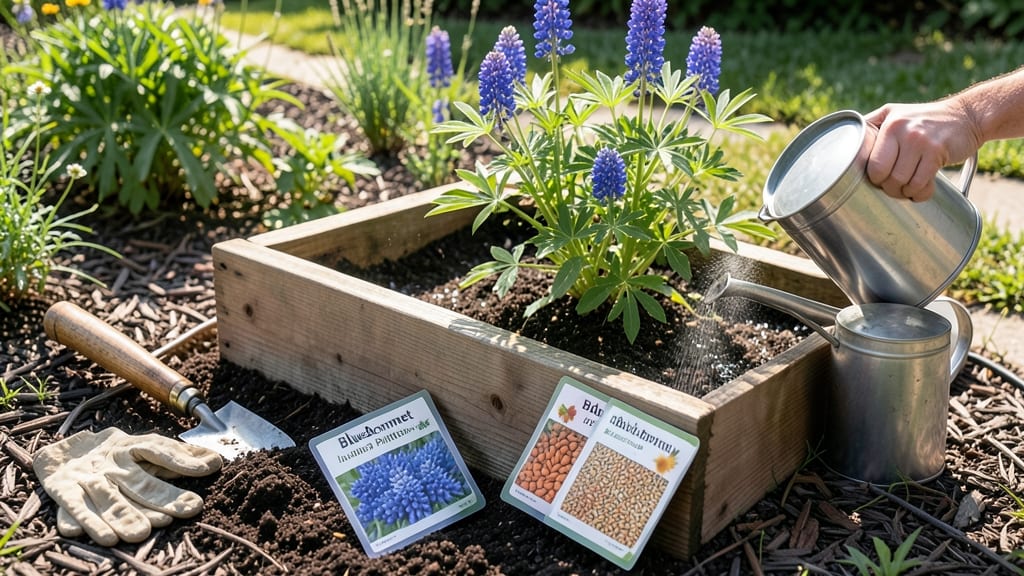
If you’ve ever watched your flower seeds 🌸 wilt under Texas heat or freeze before blooming, knowing when to plant flower seeds in Texas is the key to avoiding wasted effort (and money!).
The difference between a vibrant garden and a sad, half-dead patch often comes down to timing—getting it wrong can mean lost blooms. Texas gardeners face a unique challenge: 12-month growing potential, but wildly different frost dates and soil conditions.
Plant too early, and a late frost will zap your seedlings. Too late, and summer’s scorching sun arrives before your flowers even sprout. The solution? A strategy tailored to your hardiness zone—whether you're in Zone 8a or 10b—with heat-tolerant varieties that thrive when most flowers give up.
Texas gardeners face a unique challenge: 12-month growing potential, but wildly different frost dates and soil conditions. Plant too early, and a late frost will zap your seedlings. Too late, and summer’s scorching sun arrives before your flowers even sprout.
The solution? A strategy tailored to your hardiness zone—whether you're in Zone 8a or 10b—with heat-tolerant varieties that thrive when most flowers give up.
I’ll break down the exact months to plant by region, including soil temperature tricks and the best heat-resistant flowers for Texas summers. You’ll learn how to avoid common mistakes (like planting marigolds in December) and when to start seeds indoors for a head start.
Let’s turn your Texas garden into a year-round blooming paradise—without the guesswork.
Ready to skip the trial-and-error? By the end, you’ll have a clear planting schedule, from cool-season favorites in February to summer-blooming powerhouses like zinnias that laugh in the heat. No more dead starts—just vibrant, thriving flower seeds 🌸 that put on a show from spring to fall.
Texas flower seed planting calendar: exact months by hardiness Zone (7-10)
Texas spans USDA Zones 7-10, meaning frost dates vary dramatically—from late February in North Texas to January in South Texas. Understanding your exact zone and last frost date is critical for timing flower seed planting.
For example, Zone 8a (common in Central Texas) has a last frost around February 15, while Zone 10a (South Texas) rarely sees frost. Planting too early risks frost damage, while waiting too late means summer heat arrives before blooms appear.
Most Texas gardeners can sow cool-season flowers like pansies and snapdragons in fall (September-October) for winter/spring blooms. Warm-season flowers, including zinnias and marigolds, thrive when planted after April 15 in North Texas or March 1 in South Texas, once soil temperatures reach 60°F+.
Always check your local Cooperative Extension Service for precise frost dates—these resources are free and tailored to your county.
Here’s a quick reference for Texas planting windows by zone and season. Use this as your guide to avoid common mistakes like planting heat-loving flowers before the last frost or cool-season varieties too late in the year.
| Zone | Last Frost Date | Best Cool-Season Planting | Best Warm-Season Planting | Soil Temp Requirement |
|---|---|---|---|---|
| 7a-7b (North Texas) | February 15-March 1 | September 1-October 15 | April 15-May 15 | 60°F+ for warm-season |
| 8a-8b (Central Texas) | February 1-March 1 | September 15-October 30 | March 15-April 30 | 60°F+ for warm-season |
| 9a-9b (East/South Texas) | January 15-February 1 | October 1-November 15 | February 15-April 1 | 65°F+ for warm-season |
| 10a-10b (South Texas) | January 1 (rare) | October 15-December 15 | February 1-March 31 | 70°F+ for warm-season |
🌱 Pro Tip: Use a soil thermometer to confirm temps before planting warm-season seeds.
For Zone 7-8 gardeners, spring planting should begin in March for flowers like cosmos and sunflowers. These varieties tolerate light frosts and bloom quickly, making them ideal for early-season color.
In Zones 9-10, you can plant year-round with minimal frost risk, but always prioritize soil temperature over calendar dates—warm-season flowers like lantana and pentas need consistent 70°F+ soil to thrive.
If you’re unsure about your zone, use the USDA Plant Hardiness Zone Map or enter your ZIP code into the Texas A&M AgriLife Extension tool. This ensures you’re planting at the optimal time for your specific microclimate.
For example, Dallas (Zone 8a) and Austin (Zone 8b) have slightly different frost dates, so adjusting your schedule by 1-2 weeks can mean the difference between success and failure.
Another key factor is container gardening, which extends your planting window. Potted flowers warm up faster in spring and can be moved to shade during summer heatwaves. Start warm-season seeds indoors 6-8 weeks before your last frost date, then transplant once soil is 60°F+.
This strategy works especially well for delicate varieties like impatiens or begonias, which struggle with direct heat.
For fall planting, focus on cool-season annuals like pansies, sweet alyssum, and calendula. These flowers bloom in winter and early spring, adding color when many gardens are dormant. In South Texas (Zones 9-10), you can even plant winter veggies alongside flowers for a year-round harvest.
Just remember: avoid planting after October 15 in North Texas, as frost risk increases sharply.
One common mistake is assuming all flowers follow the same planting rules. Perennials like black-eyed Susans and coneflowers can be planted in fall or early spring, while annuals like <
Heat-tolerant flower seeds that survive Texas summers (with planting tricks)
Texas summers can turn even the hardiest flowers into crispy messes if you don’t choose the right varieties. The key to success? Heat-tolerant flower seeds that thrive when most plants wilt.
I’ve tested these top 10 heat-resistant flowers in my own garden, and they consistently deliver vibrant blooms even when temperatures soar past 100°F. Whether you’re in Zone 8a or 10b, these varieties will reward you with color and resilience.
Zinnias, for example, are my go-to for summer blooms—they laugh in the heat and keep producing flowers until frost. Lantana and Black-Eyed Susans are equally tough, while Mexican Sunflowers provide bold pops of color with minimal fuss.
The trick isn’t just picking the right flowers; it’s also planting them at the perfect time and using shade cloth or mulch to protect young plants during heatwaves.
Here’s how to maximize your chances of success with these heat-lovers:
For direct sowing, wait until the soil reaches 60°F+—usually March-April in North Texas and February-March in South Texas.
If you’re transplanting seedlings, harden them off gradually to avoid shock. Shade cloth (30-50%) is a game-changer for young plants during 100°F+ heatwaves, and mulching with straw or wood chips keeps roots cool and moist.
Watering is another critical trick: deep soak in the morning (1-2 inches per week) encourages deep root growth, while afternoon watering can promote fungal diseases. I’ve also found that container gardening works wonders for heat-sensitive varieties—just use lightweight potting mix and elevate pots to improve airflow.
With these strategies, your heat-tolerant flowers will reward you with nonstop blooms from spring to fall.
Pro tip: Mix annuals like zinnias with perennials like Lantana for a garden that stays vibrant year after year. And don’t forget to deadhead spent blooms—it encourages more flowers and keeps your garden looking its best, even in the hottest months. 🌿