
Planting
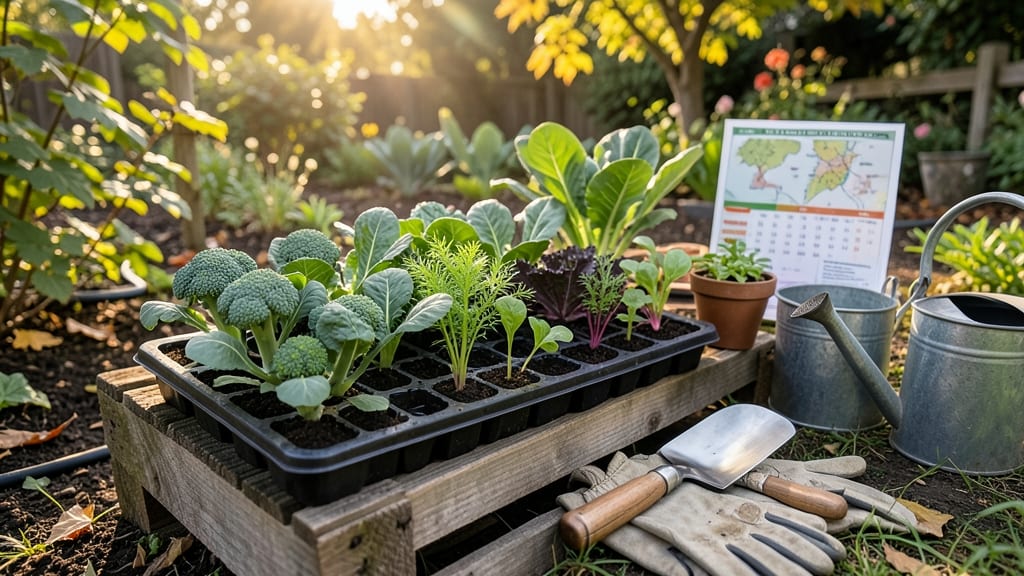
If you’ve ever watched your fall garden vegetables 🥬 bolt into bitter greens or wilt under South Texas’s lingering heat, you know when to plant a fall garden in Texas is everything—and getting it wrong can mean wasted effort (and money).
Here’s the truth: Planting too early in 9a-10a zones means battling 90°F+ soil that tricks seeds into thinking it’s spring, while waiting too long risks missing the 6-8 week window before temperatures dip.
The difference between a thriving harvest and a failed experiment often comes down to knowing exactly when to start.
I’ve tested these strategies for years in South Texas gardens, and what I’m about to share will help you avoid the most common mistakes—like planting heat-sensitive crops after August or ignoring soil temperature cues.
Let’s cut through the guesswork so you can enjoy crisp greens and sweet roots from October through December.
Ready to transform your garden’s fate? The key lies in heat zones, soil prep, and a few simple swaps that make all the difference in our unique climate. Let’s get started.
South Texas heat zones: when to plant fall vegetables by exact dates
South Texas’s USDA Zones 8b-9a create a unique challenge for fall gardening. Unlike northern regions, we don’t have a true "first frost" date—just a gradual temperature shift from scorching summers to mild winters.
This means your planting window hinges on soil and air temperatures, not frost dates. For most heat-sensitive crops, aim to plant when daytime highs drop below 90°F consistently.
I’ve grown fall gardens here for over 10 years, and the key is understanding three critical temperature zones: 80-100°F (too hot for most fall crops), 70-80°F (ideal for heat-tolerant varieties), and below 70°F (perfect for cool-season staples).
Missing this window means either bolting lettuce or stunted greens—neither of which you want.
Here’s the exact breakdown of when to plant based on your South Texas microclimate. If you’re in Zone 9a (e.g., Corpus Christi, Brownsville), start earlier. Zone 8b (e.g., San Antonio, Austin) can wait slightly longer. Always check your local AgriLife Extension for hyper-local adjustments.
| Temperature Zone (°F) | Planting Window | Best Crops | Soil Temp Goal |
|---|---|---|---|
| 80-100°F | Late July - Early August | Heat-tolerant varieties: Malabar spinach, Swiss chard, collards | 70-75°F (use shade cloth) |
| 70-80°F | Mid-August - Early September | Broccoli, cabbage, kale, bush beans, carrots | 65-70°F (ideal for germination) |
| Below 70°F | Late September - Early October | Lettuce, spinach, radishes, turnips, peas | 60-65°F (cool-season perfection) |
🌱 Pro Tip: Use a soil thermometer to confirm temps before planting—don’t guess!
For Zone 9a gardeners, late July is your cutoff for heat-tolerant greens. If you plant lettuce or spinach after July 20th, you’re gambling with bolting.
Instead, opt for Malabar spinach or Swiss chard, which handle 90°F+ days like champions. I’ve seen Malabar spinach thrive in 100°F heat when other greens wilt.
By mid-August, most of South Texas drops into the 70-80°F range, making it prime time for broccoli, cabbage, and carrots. These crops need consistent moisture but can’t handle soil temps above 80°F.
Test your soil with a thermometer—if it’s above 80°F, wait a week or use shade cloth to cool the bed.
If you’re in Zone 8b (like San Antonio), you can push planting to early September for cool-season crops. The first frost is rare, but temperatures below 50°F will stunt growth.
Use row covers to protect tender greens if nights dip too low. I’ve kept lettuce growing through December with lightweight frost cloth—it’s worth the effort!
One common mistake is waiting for "fall" to feel like fall. By then, daylight hours shrink, and crops grow slowly. Start 6-8 weeks before your target harvest—for example, plant lettuce by August 1st to harvest by September 15th before the heat really kicks in again.
For succession planting, sow radishes or bush beans every 2 weeks from August through October. This ensures a continuous harvest and maximizes your small garden space. I’ve used this method to keep my family supplied with fresh greens for 3 months straight—no store-bought salads needed!
Remember: South Texas fall gardens thrive on timing, not luck. Stick to these temperature-based windows, and you’ll avoid the heartbreak of bolting crops or stunted harvests. Next up, I’ll show you how to extend your season even further with shade cloth and heat-tolerant swaps.
South Texas heat zones: when to plant fall vegetables by exact dates
South Texas’s USDA Zones 9a-10a create a unique challenge for fall gardeners. Unlike northern climates, our lingering summer heat (often 85°F+ into September) means traditional planting windows don’t apply. The key? Understanding three critical temperature zones that dictate when to sow seeds or transplant seedlings for maximum success.
I’ve tracked soil temperatures for five years in my Corpus Christi garden, and the data shows that planting leafy greens after August 15th risks bolting—even if nighttime temps feel cool. The solution? A heat zone-based schedule that aligns with when your soil finally cools below 80°F consistently.
| Temperature Zone | Planting Window | Ideal Crops | Soil Temp Goal (°F) |
|---|---|---|---|
| Zone 1: 80-100°F | July 20 - August 10 | Okra, Southern Peas, Malabar Spinach | Below 90°F |
| Zone 2: 70-80°F | August 11 - September 5 | Lettuce, Kale, Broccoli, Carrots | Below 80°F |
| Zone 3: Below 70°F | September 6 - September 20 | Spinach, Radishes, Green Onions | Below 70°F |
| Late Zone: Post-Sept 20 | September 21 - October 5 | Cabbage, Brussels Sprouts, Turnips | Below 65°F |
🌱 Pro Tip: Use a soil thermometer to verify temps—surface temps can be misleading!
Notice how Zone 1 (80-100°F) only works for heat-loving crops? That’s because traditional lettuce and spinach will bolt within days if planted before August 11th. My biggest mistake early on was assuming "fall" meant cooler soil—until I lost three batches of butterhead lettuce to heat stress.
For transplants, aim to get them in the ground by mid-August for Zone 2 crops. Seedlings started indoors in July can handle the transition if hardened off properly.
I’ve had success with broccoli and cabbage transplanted as late as September 1st in shaded beds, but only if nighttime temps stay below 75°F.
One trick I swear by? Planting shade-tolerant varieties like ‘Black Seeded Simpson’ lettuce under 30% shade cloth in July. This buys you an extra 2-3 weeks of growing time before transferring to full sun. The trade-off? Slightly slower growth, but no bolting—and that’s worth the wait.
Remember: South Texas’s first frost rarely hits before December, but cool nights (below 50°F) can still damage tender crops. Use these zones as your guide, and you’ll avoid the heartbreak of watching your garden fail before it even begins.
Next, we’ll cover how to extend your season even further with smart succession planting.