
Flowers
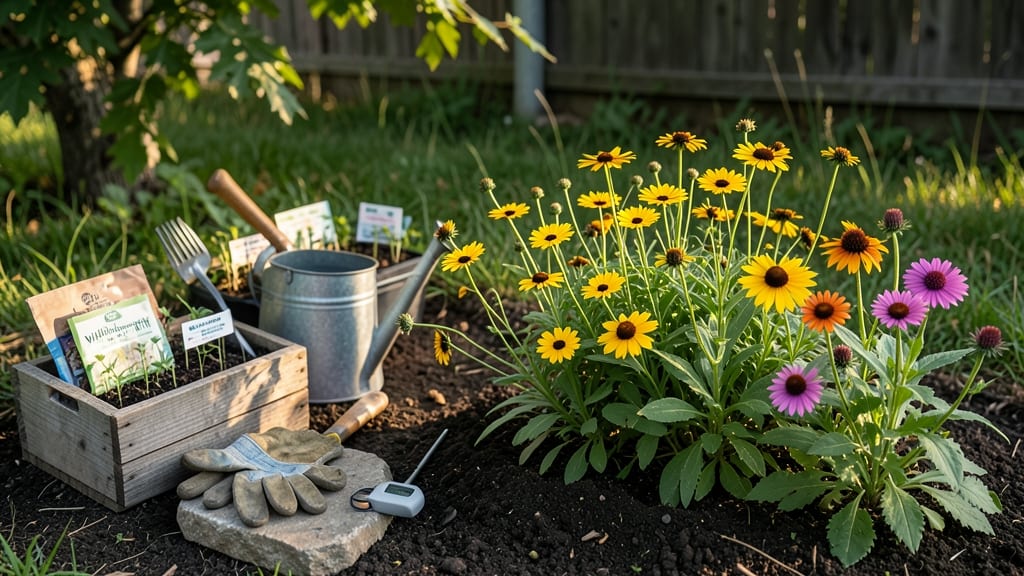
Timing your flower seed planting in Tennessee can make or break your garden’s success—get it wrong, and you’ll watch your hard work wilt before it even blooms.
The state’s 6a-7b zones mean last frost dates swing wildly from early April in Nashville to late March in Knoxville, so knowing the exact window is everything.
Most 🌸 flower seeds thrive when planted after the last frost, but cool-season varieties like pansies can handle a light chill, while heat-lovers like zinnias need warm soil to germinate.
I’ll break down the ideal planting months for your specific zone, plus how to adjust for Tennessee’s microclimates—because a mountain garden behaves differently than one in the Memphis basin.
You’ll also learn how to prep your soil for peak germination, when to start seeds indoors, and the 3 biggest mistakes Tennessee gardeners make (spoiler: frost blankets are your secret weapon).
Whether you’re a first-time planter or a seasoned pro, these tips will help you avoid wasted seeds and maximize those vibrant blooms.
Ready to turn your garden into a year-round showstopper? Let’s dive into the exact dates, tools, and tricks to make your flower seeds flourish—no guesswork required.
Tennessee frost-free dates by Zone (6a vs 7b): exact planting windows for flower seeds
Tennessee’s USDA Zones 6a–7b create distinct planting windows—getting these dates wrong can mean the difference between lush gardens and wasted seeds. In Zone 6a (eastern mountains), the last frost typically arrives April 15–May 1, while Zone 7b (middle/west regions) sees frost-free conditions March 15–April 1.
First frosts return October 15–November 15, so plan accordingly for fall-planted flowers like cosmos or snapdragons.
Direct-seeding cool-season flowers (e.g., pansies, calendula) starts 2–4 weeks before last frost, while warm-season varieties (e.g., marigolds, zinnias) need soil temps above 60°F—usually late April–May. Transplants can go in 2–3 weeks earlier than seeds to jumpstart growth.
Heat-sensitive flowers like cosmos or sweet peas must be planted before June 15 to avoid wilting in Tennessee’s 90°F+ summers. Meanwhile, drought-tolerant annuals (e.g., lantana, portulaca) can handle late summer plantings if given well-draining soil.
| Zone | Last Frost Date (Avg.) | First Frost Date (Avg.) | Best Months for Direct-Seeding | Best Months for Transplants | Heat-Sensitive Flowers to Avoid Late Planting |
|---|---|---|---|---|---|
| 6a (East TN) | April 15–May 1 | October 15–November 1 | March–April (cool-season) | April–May (transplants) | Cosmos, Sweet Peas |
| 7b (Middle/West TN) | March 15–April 1 | October 1–November 15 | February–April (cool-season) | March–May (transplants) | Marigolds, Zinnias (late plantings risk stress) |
For Zone 6a, I recommend starting cool-season seeds indoors in February to transplant outdoors by April 1. In Zone 7b, you can push the envelope with early March plantings for hardy annuals like snapdragons, but always monitor weather forecasts for late frosts.
Pro tip: Use biodegradable seed starter pots to avoid transplant shock when moving seedlings outdoors.
Tennessee’s microclimates add complexity—valley regions (e.g., Nashville) warm up 1–2 weeks earlier than mountain areas (e.g., Knoxville). Adjust your timeline by observing local nurseries or checking Almanac frost maps.
For example, Chattanooga (Zone 7a) may be ready for zinnias by late March, while Bristol (Zone 6b) should wait until mid-April.
Don’t overlook fall planting! Tennessee’s second planting window runs August–September for cool-season flowers like pansies or calendula. These blooms thrive in fall’s mild temps and often outlast spring plantings. Aim to finish 6–8 weeks before first frost—typically by October 1—to ensure strong root establishment.
Heat-loving flowers like sunflowers or black-eyed Susans can handle late summer plantings if you water deeply and use mulch to retain moisture. These varieties often bolt (go to seed) if planted too early, so wait until June 1 for best results in Zone 7b.
Use a soil thermometer to confirm readiness—most flower seeds need 50–60°F soil to germinate. In Tennessee’s humid springs, seeds can rot if planted too early. If your soil is cold and wet, opt for transplants instead of direct-seeding to avoid damping off disease.
🌸
How to adjust planting times for Tennessee’s microclimates and flower types
Tennessee’s diverse geography means your Chattanooga garden may be ready for zinnias by late March, while Knoxville’s mountain microclimate might need to wait until mid-April. Valley regions like Nashville warm up 10–14 days earlier than plateau areas, so always check local frost maps or ask nearby nurseries.
For example, Memphis (Zone 7b) can safely plant marigolds by March 1, but Bristol (Zone 6b) should delay until April 15 to avoid frost.
Your flower type also dictates timing. Cool-season annuals like pansies or snapdragons thrive when planted 2–4 weeks before last frost, while heat-lovers such as zinnias or sunflowers need soil temps above 60°F.
In Tennessee, this usually means late April–May for direct-seeding, but transplants can go in 2–3 weeks earlier for a head start.
- 🌡️ Soil Temperature Thresholds: Wait until soil reaches 50–60°F for most seeds (use a soil thermometer). In Tennessee, this often aligns with late April for Zone 6a and early April for Zone 7b.
- 🌧️ Rainfall Timing: Plant after Tennessee’s spring rains (typically April–May) to avoid seed rot, but before summer droughts (June+) set in. Use well-draining soil to prevent waterlogged seeds.
- 🌿 Shade Exposure: North-facing beds warm up 1–2 weeks later than south-facing ones. If your garden has partial shade, delay planting by 7–10 days to match your sunniest spots.
For succession planting, stagger your flower seed sowing every 2–3 weeks from April to June to extend blooms. For example, plant cosmos seeds in early May, then again in mid-June for continuous color through fall.
This works especially well for heat-tolerant annuals like lantana or portulaca, which thrive in Tennessee’s summer heat.
If you’re growing perennials like black-eyed Susans or coneflowers, start seeds indoors in March and transplant outdoors after last frost. These long-lived plants benefit from an early start but can handle late spring plantings if given consistent moisture.
In Zone 7b, you can even try fall sowing for perennials like salvia, which often germinate better in cool autumn soil.
Don’t forget to account for Tennessee’s humidity, which can cause damping off in overly wet soil. If your garden stays soggy for weeks, opt for transplants instead of direct-seeding or use raised beds to improve drainage.
For container gardening, you can push planting dates 1–2 weeks later since pots warm up faster than ground soil.
Pro tip: Use row covers or cold frames to extend your spring planting window by 2–3 weeks. This lets you sow cool-season flowers like calendula or nasturtiums as early as February in Zone 7b. Just remove covers when flowers bloom to prevent overheating.
🌻