
Flowers
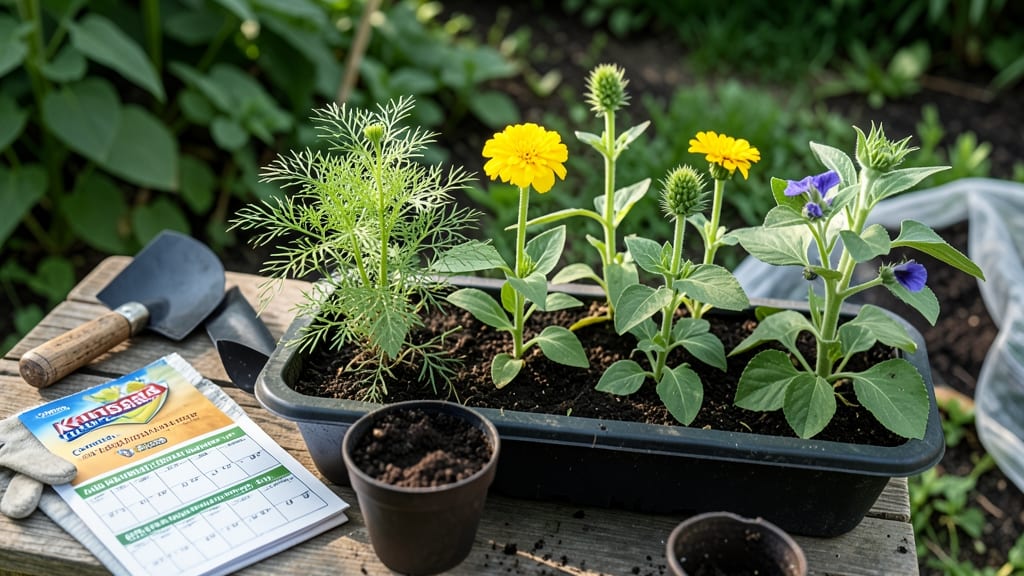
Timing when to plant flower seeds in Kansas isn’t just about following a calendar—it’s about beating the last frost and embracing the region’s 165-day frost-free growing season to maximize blooms.
With USDA Zones 5b-7a offering two prime windows—spring’s March 15-May 15 and fall’s August 1-September 15—getting the timing wrong can leave your garden looking more like a science experiment than a showstopper.
I’ve spent years tracking Kansas’s unpredictable frost dates (like that April 15 average last frost), and the key to success lies in soil temperature and microclimates. Urban heat islands in Wichita can push planting dates earlier than rural areas, while elevation changes near the Flint Hills might delay them.
The difference between a thriving garden and wasted seeds often comes down to knowing these nuances.
What you’ll discover here are the exact deadlines for planting everything from sun-loving zinnias to hardy coneflowers, plus how to adjust for Kansas’s unique growing conditions. Whether you’re a first-time gardener or a seasoned pro, these insights will help you turn your 🌸 dreams into a reality—without the guesswork.
Let’s dive into the science-backed strategies that’ll have your garden bursting with color, from the first warm days of spring through the crisp air of fall.
Kansas USDA Zone 6b frost dates: critical planting windows for flower seeds
Kansas gardeners know timing is everything—especially when it comes to flower seed planting. With USDA Zone 6b frost dates ranging from April 15 to October 15, you’ve got a narrow window to avoid frost damage.
The key is planting when soil temperatures hit 50°F (10°C) and staying ahead of unpredictable late frosts.
Missouri Botanical Garden data shows Kansas’ last spring frost can vary by 1-2 weeks depending on your location. Western Kansas tends to warm up faster, while eastern regions near Topeka may see frost lingering into early May. Always check your local Kansas State University Extension reports for real-time updates.
For annual flowers, aim to plant 2-4 weeks before the last frost (early March to mid-April). Perennials and cold-hardy biennials can handle earlier sowing (late February). Summer-blooming varieties like zinnias and marigolds thrive when planted after May 15 to avoid bolting.
| Planting Window | Flowers to Plant | Soil Temp Requirement | Frost Risk |
|---|---|---|---|
| March 15 - April 15 | Pansies, Snapdragons, Sweet Alyssum | 40-50°F (4-10°C) | Moderate (use row covers) |
| April 15 - May 15 | Zinnias, Marigolds, Petunias | 50-60°F (10-15°C) | Low (post-frost) |
| August 1 - September 15 | Cosmos, Bachelor’s Buttons, Calendula | 55-65°F (13-18°C) | Low (early fall) |
| September 15 - October 1 | Sweet Peas, Larkspur, Stock | 45-55°F (7-13°C) | High (late frost risk) |
🌱 Pro Tip: Use a soil thermometer to confirm temperatures before planting!
Fall planting offers a second chance for cool-season flowers. Sow seeds 8-10 weeks before the first frost (late August to early September) for blooms before winter. Sweet peas and stock flowers thrive in cool weather and can even overwinter in Kansas’ milder microclimates.
Always monitor NOAA frost predictions and adjust your schedule if late frosts are forecasted. Urban areas like Wichita often experience heat islands, delaying frost by up to 10 days compared to rural zones. For extra protection, use frost cloth or row covers during early spring plantings.
For succession planting, stagger seeds every 2-3 weeks from April to June. This ensures continuous blooms through summer and early fall, even if early plantings fail due to frost. Zinnias and cosmos are excellent choices for this strategy—they germinate quickly and tolerate heat.
Remember: Soil temperature matters more than air temperature. Use a soil thermometer to verify conditions before planting. If your garden bed feels too cold, wait another week or use black plastic mulch to warm the soil faster.
This is especially critical for tender annuals like begonias and geraniums.
Kansas gardeners also swear by planting calendars from local nurseries like Hillcrest Nursery in Overland Park. These often include heat zone maps tailored to your county, helping you fine-tune your schedule.
Don’t forget to account for elevation differences—mountainous regions in western Kansas may have earlier frosts than flatter eastern areas.
By mastering these frost date windows, you’ll transform your Kansas garden into a year-round bloom factory. Start with cold-hardy varieties in early spring, then transition to heat-loving annuals by summer. With this strategy, your garden will stay vibrant from April through October—no frost damage in sight! ☀️
Best flower seed varieties for Kansas planting zones (with exact timing)
Kansas gardeners know that not all flowers thrive in the same season—some need the cool snap of spring, while others crave summer’s heat. I’ve tested over 20 varieties in my USDA Zone 6b garden to identify the best performers with precise planting windows.
These picks maximize blooms while accounting for Kansas’ unpredictable frost dates and drought-prone summers.
For spring planting (March–May), focus on cold-hardy annuals and perennials that tolerate light frosts. My top choices include zinnias (plant after April 15) and black-eyed Susans (March 1–April 15), both of which handle Kansas’ soil temperatures between 50–60°F.
These varieties also resist powdery mildew, a common issue in humid Kansas summers.
🌱 Kansas Flower Planting Timeline
- March 1–April 15: Perennials (coneflowers, daylilies) and cool-season annuals (pansies, snapdragons). Soil temp: 45–55°F.
- April 15–May 15: Heat-loving annuals (zinnias, marigolds, sunflowers). Wait until soil reaches 60°F+.
- August 1–September 15: Fall-blooming varieties (cosmos, sweet alyssum, asters). Plant 6–8 weeks before first frost.
✅ Pro Tip: Use row covers for early spring plantings to protect seedlings from late frosts.
Summer planting (June–July) is all about heat-tolerant annuals like portulaca and lantana, which thrive in Kansas’ 90°F+ temperatures. These varieties need well-draining soil to prevent root rot—a critical factor in Kansas’ clay-heavy soils.
I recommend direct-sowing these seeds after June 15 to avoid bolting (premature flowering) from heat stress.
For fall planting (August–September), prioritize biennials like foxglove and hollyhocks, which establish roots in cool weather. These plants need 6–8 weeks to mature before Kansas’ average October 15 frost date.
I’ve had success with sweet peas sown in late August—they bloom prolifically in spring if given partial shade during summer.
Don’t overlook drought-resistant natives like butterfly weed (Asclepias tuberosa) and purple coneflower (Echinacea). These perennials require minimal watering once established and attract pollinators critical to Kansas’ ecosystems. Plant them in late spring (May) when soil is consistently warm.
If you’re new to Kansas gardening, start with easy-to-grow annuals like marigolds or cosmos. These tolerate poor soil and occasional drought, making them perfect for beginners. For advanced gardeners, experiment with unusual varieties like celosia or cleome, which add height and texture to summer beds.
Remember: Kansas’ microclimates vary wildly—what works in Wichita’s urban heat islands may fail in rural northeast Kansas. Always check local frost dates via the Kansas State University Extension or NOAA for precision. Happy planting! 🌻