
Planting
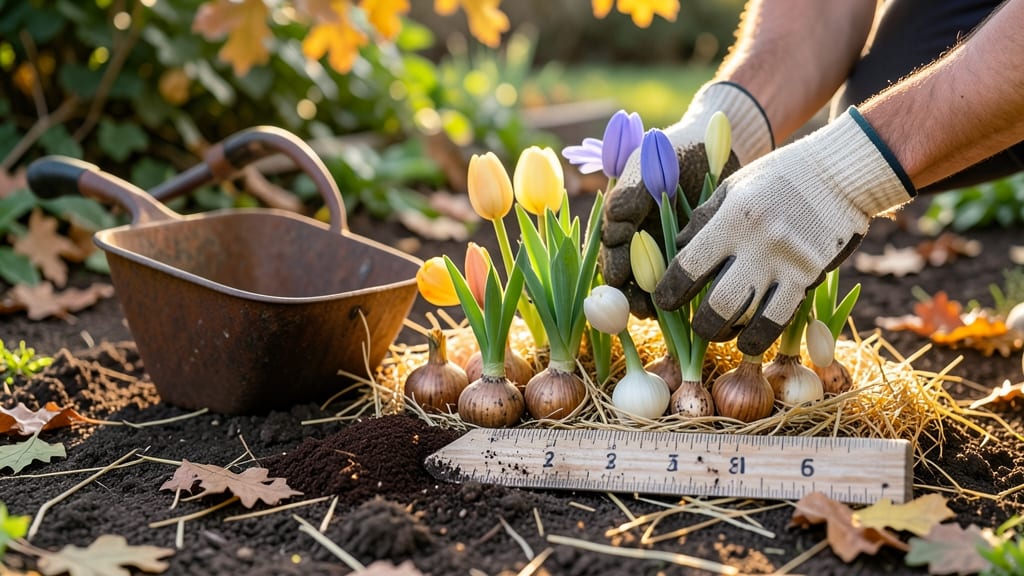
Planting flower bulbs 🌷 in the fall is one of the best gardening secrets—because timing makes all the difference. Get it right, and you’ll enjoy vibrant blooms next spring; mess it up, and you might end up with moldy bulbs or missed opportunities.
The key is planting 4-6 weeks before your first frost, when soil temps drop but haven’t frozen yet.
Why fall? It gives bulbs time to establish roots before winter dormancy, so they’re ready to burst into color when spring arrives. But here’s the catch: if you live in a warmer climate, like Zone 6a, you’ll need to adjust your schedule to avoid early frost damage.
Let’s break down the perfect window for your region and how to prep your soil for success.
You might think all bulbs are created equal, but some—like tulips, daffodils, and crocuses—thrive when planted in cooler weather. Others, like hyacinths, need a little extra care. I’ll walk you through the exact timing for your area, plus pro tips to protect your bulbs from unexpected freezes.
Ready to set your garden up for next year’s showstopper blooms?
Don’t let confusion or last-minute planting mistakes ruin your plans. With the right approach, you’ll have a garden that wakes up in spring with bold colors and effortless beauty. Let’s get those bulbs in the ground the right way—once, and for good.
Best fall planting months for flower bulbs by US climate Zone
Planting flower bulbs in the fall gives them time to establish roots before winter dormancy—but the exact timing depends on your USDA hardiness zone. In Zones 3-5, aim for 6-8 weeks before first frost, typically late September to early October.
For Zones 6-10, extend the window to 4-6 weeks before frost, often October through early November.
Soil temperature matters more than calendar dates. Bulbs need 60°F soil to start rooting but can’t handle below 40°F for long. In northern climates, plant by mid-October; in southern zones, wait until November to avoid early freezes.
Microclimates (like sheltered garden spots) can push your window 1-2 weeks later.
Tulips, daffodils, and crocuses thrive in cooler temps, while hyacinths and alliums tolerate slightly warmer soils. Check your local frost dates (USDA Plant Hardiness Map) and adjust accordingly. For example, in Zone 7, plant by October 15th; in Zone 9, wait until November 1st.
| USDA Zone | Ideal Planting Window | Soil Temp Goal | Key Bulbs |
|---|---|---|---|
| Zones 3-5 | Late September–Early October | 60–50°F | Tulips, Daffodils, Crocuses |
| Zones 6-7 | October (before soil drops below 50°F) | 55–45°F | Hyacinths, Alliums, Snowdrops |
| Zones 8-10 | November (after summer heat) | 65–55°F | Lilies, Fritillaries, Rain Lilies |
In Zone 3, where winters are harsh, plant by September 15th to avoid rot.
For Zone 10, where winters are mild, extend planting to December—just ensure bulbs get cool dormancy (below 60°F). Tender bulbs like dahlias (not true bulbs) need warmer fall soils and should go in after frost risk passes.
Adjust for microclimates: Sunny slopes warm faster than shady spots. If your garden stays warmer than average, plant 2 weeks later. Conversely, in cold pockets, plant 2 weeks earlier. Always prioritize 6-8 weeks before frost—this ensures roots establish before winter.
For container gardening, use well-draining pots and plant 1-2 weeks earlier than ground planting. Containers cool faster and can freeze sooner. Mulch heavily (3–4 inches) with straw or leaves after planting to insulate bulbs. This buffer helps in Zone 4 where ground temps can drop below 32°F by November.
If you miss the window, don’t panic! Bulbs can handle light frosts once planted. In Zones 8-10, you can even plant in early December if soils stay workable.
Just water deeply afterward to encourage root growth before rains return. Spring-planted bulbs (like gladiolus) are exceptions—they need warm soil.
Test soil readiness by checking leaf drop in nearby plants. When hostas or asters yellow and crisp, it’s time. For sandy soils, plant 1-2 weeks earlier—they dry out faster.
In clay soils, wait until soil is workable (not muddy) to avoid compaction. Always plant twice as deep as the bulb’s height for frost protection.
Remember: Fall-planted bulbs reward you with spring blooms because they’ve had months to root. Skip this step, and you’ll miss out on tulips in April or daffodils in May. Mark your calendar now—your future garden will thank you! 🌷
How to tell when soil is ready for fall bulb planting (without a thermometer)
Testing soil readiness without a thermometer is easier than you think. Focus on natural indicators like leaf drop and soil texture. When hostas or asters in your garden start yellowing and crisping, it’s your cue—soil temps are dropping toward the ideal 50–60°F range for bulb planting.
This usually happens in late September to early October, depending on your zone.
Another foolproof method: the soil squeeze test. Grab a handful of soil and squeeze it tightly. If it holds its shape but crumbles when you tap it, it’s ready.
If it’s still sticky or falls apart completely, wait 1-2 weeks. This test works best in clay-heavy soils, which stay moist longer and cool slower.
- 1. Hostas turn brown: Their leaves crisping means soil temps are dropping.
- 2. Asters bloom & drop: Their seed heads signal cooler nights ahead.
- 3. Soil crumbles when squeezed: Perfect moisture for planting.
- 4. Morning frost forms: But disappears by midday—ideal window opens.
- 5. Earthworms retreat: They burrow deeper as soil cools.
For sandy soils, which warm and cool faster, plant 1-2 weeks earlier than the general guideline. Stick your finger 4 inches deep—if the soil feels cool but not frozen, it’s time.
In Zone 5, this might be mid-September; in Zone 8, it could stretch to early November.
Watch for morning frost as another clue. If frost appears but burns off by 10 AM, bulbs can handle it.
However, if frost lingers all day, wait 1 week—bulbs need at least 4-6 weeks of root growth before winter sets in. Evergreen trees like pine or spruce also signal cooler air; their needles stay green longer in mild microclimates.
If you’re unsure, plant a test bulb in a shady spot. If it sprouts by spring, your timing was perfect.
If not, adjust next year. Daffodils and crocuses are the most forgiving for late planting—they’ll still bloom even if roots grow slowly. Tulips, however, need that 6-week head start for strong blooms.
Pro tip: Mark your calendar when daylight savings ends (first Sunday in November). In most zones, this aligns with the last safe planting window.
Combine this with your local first frost date (check the Old Farmer’s Almanac), and you’ll never miss the boat. Patience pays off—rushing leads to rot, while waiting too long means missed spring blooms.
Remember, bulbs planted in fall reward you with bold spring color because they’ve had months to root. Skip this step, and you’ll be left with bare soil come April. Trust nature’s cues, and your garden will flourish! 🌿