
Flowers
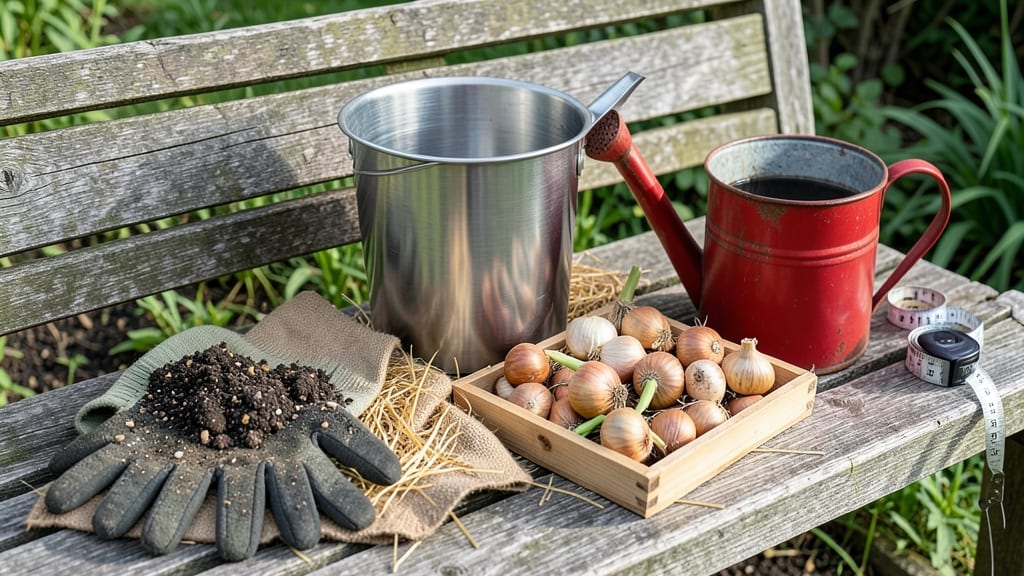
Timing your spring flower bulb planting just right can mean the difference between a garden bursting with color and a season of disappointment.
Most gardeners assume that as soon as the ground thaws, it's go-time—but that's not always the case, especially in colder zones like 6a where a late frost can still lurk.
I've learned the hard way that rushing bulbs into the soil too early can stunt their growth, while waiting too long might miss their natural blooming window. The secret lies in understanding your local climate and the unique needs of each 🌷 bulb variety.
Whether you're planting hardy tulips or delicate hyacinths, getting the timing right is the first step to a showstopping spring display.
In this guide, I'll break down exactly when to plant your flower bulbs for maximum impact, including how to use the moon's phases to boost their growth.
You'll discover the ideal planting window for your region, plus pro tips to prepare your soil and care for your bulbs once they're in the ground. Let's make this your best spring planting season yet!
We'll also tackle common mistakes that kill flower bulbs before they even sprout—and how to avoid them. From soil prep to post-planting care, you'll have everything you need to ensure your bulbs thrive from the moment they hit the dirt. Ready to transform your garden?
Best spring planting dates for flower bulbs by climate Zone
Spring is the perfect time to plant flower bulbs like tulips, daffodils, and hyacinths, but timing varies dramatically depending on your USDA hardiness zone.
In colder zones (3-5), bulbs need a chilling period before they’ll bloom, so planting in early spring (as soon as soil is workable) ensures they’ve had enough cold exposure. Warmer zones (7-10) can plant later, but avoid waiting until summer heat sets in.
For most regions, the ideal planting window is 4-6 weeks before your last frost date. This gives roots time to establish before summer heat arrives. For example, in Zone 6a (like my garden!), I plant bulbs in late March to early April.
In Zone 8-10, wait until February or early March to avoid stress from late spring heat.
Here’s a quick rule of thumb: if your ground is frost-free but still cool (around 50-60°F), it’s time to plant. Bulbs like alliums and fritillaries are more flexible, while tulips and hyacinths prefer cooler soil.
Always check your local last frost date—planting too early can rot bulbs, while waiting too long may stunt blooms.
🌱
If you missed the spring window, don’t panic! Many bulbs (like rain lilies or gladiolus) can handle summer planting in Zone 8+. Just water deeply after planting and mulch to retain moisture. For tropical bulbs (e.g., canna lilies), wait until soil warms to 65°F+—they hate cold!
One common mistake? Planting bulbs too shallow. Aim for 6-8 inches deep, or 3x the bulb’s diameter. Deeper planting prevents heaving in freeze-thaw cycles.
I once planted tulips only 3 inches deep—they popped up everywhere but flopped over! Now I use a trowel to dig trenches for bulk planting.
For container gardening, use well-draining mixes like cactus soil blended with perlite. Plant bulbs in clusters (3-5 together) for dramatic displays. Just remember: containers dry out faster, so water consistently until roots establish (4-6 weeks).
🌷
After planting, mulch with 2-3 inches of straw or shredded leaves to regulate soil temperature and retain moisture. Avoid synthetic mulches—they can suffocate bulbs. In Zone 6a, I add mulch in early April to protect newly planted daffodils from late frosts.
Remove mulch in late spring once foliage appears to prevent rot.
Finally, fertilize lightly with a balanced 5-10-10 mix when shoots emerge (about 6-8 weeks after planting). Too much nitrogen now can weaken blooms. I swear by bulb-specific fertilizer for my hyacinths—they reward me with vibrant purple spikes every spring!
Best spring planting dates for flower bulbs by climate Zone
Spring is the perfect time to plant flower bulbs like tulips, daffodils, and hyacinths, but timing varies by USDA climate zone. In colder regions (Zones 3-5), plant as soon as the ground thaws—typically late March to early April. Warmer zones (Zones 6-10) can wait until February or May, avoiding late frosts that damage tender shoots. Most spring-blooming bulbs need 6-8 weeks of chilling before planting. If you missed fall planting, choose cold-hardy varieties like grape hyacinths or crocuses, which tolerate cooler soils. Tropical bulbs (e.g., canas) should wait until after the last frost—usually mid-April or later—to prevent rot.
| Climate Zone | Ideal Planting Window | Key Considerations |
|---|---|---|
| Zones 3-5 | Late March–Early April | Soil must thaw; avoid frost-prone areas |
| Zones 6-7 | February–April | Check for last frost date; plant after soil warms |
| Zones 8-10 | February–May | Tropical bulbs (e.g., canas) need heat; avoid waterlogging |
Pro tip: Mark your calendar for the last frost date in your area and plant 2-4 weeks afterward for optimal growth. Most bulbs need 6-8 weeks to bloom after planting, so adjust timing based on your desired flowering season.
🌷For tropical bulbs (e.g., rain lilies), wait until after May 1 in most regions to ensure soil warmth. These bulbs thrive in USDA Zones 9-11 and require consistent moisture but no chilling period.
If you’re unsure about your zone, check the USDA Plant Hardiness Zone Map or ask your local cooperative extension office for guidance.
🌿