
Plants
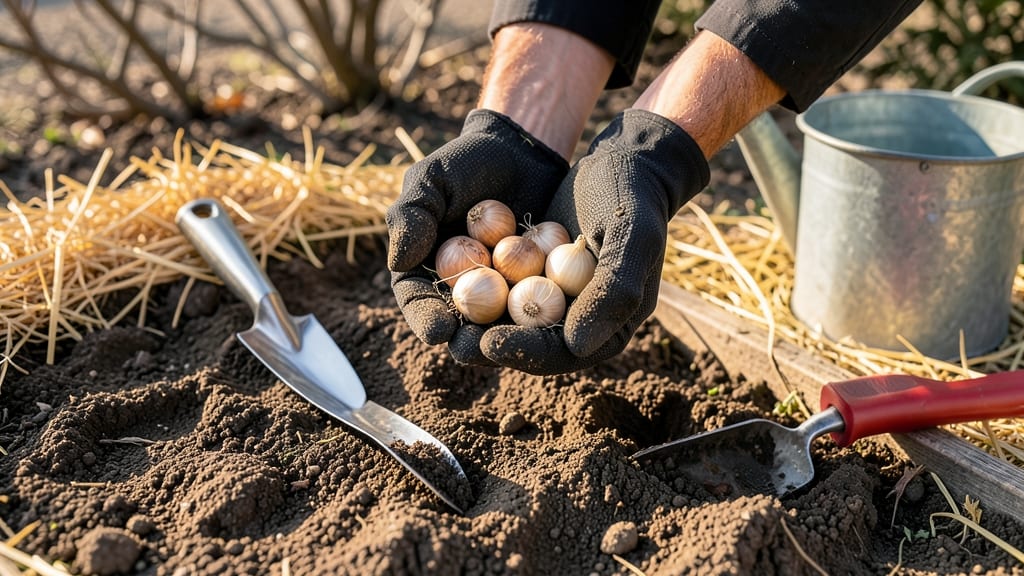
Planting Spring-Blooming Bulbs 🌷 in Central Texas isn’t just about timing—it’s about beating the heat and avoiding the dreaded early freeze. If you’ve ever watched your hard work wilt under 100°F summers or disappear after a surprise frost, you know the stakes are high.
The good news? With the right fall planting window and heat-resistant varieties, you can turn your Texas garden into a spring spectacle.
Most gardeners swear by planting between October and December, but Central Texas’s 8a-8b climate demands a smarter approach. Traditional bulbs like tulips need cooler soil, while native varieties like rain lilies thrive in the heat.
I’ll break down the exact deadlines and tricks to keep your bulbs happy until spring—no more guessing games.
You’ll discover which bulbs multiply fastest in Texas heat, how to prep soil for summer survival, and when to adjust for raised beds or containers. Whether you’re a first-time planter or a seasoned gardener, these insights will help you double your bloom count without the usual risks.
Let’s get started—your future spring garden is waiting, and it’s going to be bigger and brighter than ever before.
Central Texas bulb planting deadlines by month (with heat-tolerant exceptions)
Central Texas gardeners know timing is everything—especially when planting bulbs. Unlike cooler climates, our 90°F+ summers and unpredictable freezes demand precision. Traditional bulbs like tulips need 6-8 weeks before frost, but heat-resistant varieties like rain lilies thrive when planted later.
Let’s break down the exact windows to avoid wasted blooms and disappointed gardeners.
Most spring-blooming bulbs (tulips, daffodils, hyacinths) must go in the ground by mid-October to establish roots before winter. However, Central Texas’s USDA Zones 8a-8b allow for a slightly extended window compared to northern states.
The key is planting when soil temps drop below 70°F—typically late September to early November. Miss this window, and your bulbs may rot or fail to bloom.
But here’s the secret: heat-resistant bulbs like spider lilies (Hymenocallis) and rain lilies (Zephyranthes) buck the trend. These tropical natives can be planted as late as December or even early spring in Central Texas.
They thrive in our heat and even multiply aggressively, making them perfect for gardeners who’ve struggled with traditional bulbs.
| Month | Traditional Bulbs (Tulips, Daffodils) | Heat-Resistant Bulbs (Rain Lilies, Spider Lilies) | Soil Temp Threshold |
|---|---|---|---|
| September | Early planting possible if soil cools | Not ideal; wait for cooler temps | 65-70°F |
| October | ✅ Best window (plant by mid-October) | ✅ Can plant; tolerates heat | 60-65°F |
| November | ⚠️ Late but possible (soil must be workable) | ✅ Ideal for late planting | 55-60°F |
| December | ❌ Too late; risk of frost damage | ✅ Safe for tropical bulbs | 50-55°F |
| January | ❌ Avoid; bulbs need dormancy | ✅ Can plant for spring blooms | 45-50°F |
Pro tip: Use a soil thermometer to check temps before planting. Aim for 60-65°F for traditional bulbs. If your soil stays above 70°F into October, wait—hot soil will cook the bulbs before they root. For heat-resistant varieties, soil temps above 75°F are actually ideal for spring planting.
Don’t overlook container gardening for bulbs in Central Texas. Raised beds or pots give you control over soil temps and drainage. Fill containers with a mix of potting soil and compost to improve moisture retention during our dry spells.
Just ensure pots have drainage holes—bulbs rot faster in soggy soil than they bloom in perfect conditions.
Watch for early freezes in December. While Central Texas rarely sees hard freezes, a sudden drop below 28°F can damage emerging shoots. Mulch with 2-3 inches of straw or pine needles after planting to insulate bulbs.
This extra layer can mean the difference between a vibrant spring display and a brown, frozen mess.
For gardeners in higher elevations (e.g., Austin’s Hill Country), push planting back by 1-2 weeks. Cooler microclimates have slightly later frost dates, giving you a few extra days to get bulbs in the ground. Always check your local Cooperative Extension Service for updated frost data—our climate shifts yearly.
Remember: bulbs need time to root before winter sets in. Rushing planting in late November or December often leads to weak growth or no blooms. If you miss the fall window, don’t despair—heat-resistant bulbs like rain lilies can be planted in early spring (February-March) for summer blooms.
Start with 5-10 bulbs of your favorite varieties to test what thrives in your specific yard. Central Texas’s alkaline soil (pH 7.5-8.5) can be challenging for some bulbs, so amend with compost or peat moss if your soil is rocky or sandy.
The right prep turns even our tough climate into a bulb-blooming paradise.
Central Texas bulb planting deadlines by month (with heat-tolerant exceptions)
Central Texas’s 8a-8b climate throws a wrench into traditional bulb planting advice. While most guides recommend October to December, our 90°F+ summers and occasional early freezes demand precision. Planting too early risks summer dormancy failure, while waiting too long exposes bulbs to frost.
The key? Matching your bulbs to temperature thresholds and adjusting for heat-sensitive vs. heat-resistant varieties.
For traditional bulbs like tulips and daffodils, the ideal window is October 15–November 15. This gives roots time to establish before soil cools below 60°F. But native bulbs like rain lilies or spider lilies can handle planting as late as December 1—their deep roots tolerate warmer soil.
Miss these deadlines, and you’ll likely see stunted growth or no blooms next spring.
🌱
| Month | Traditional Bulbs | Heat-Resistant Bulbs | Soil Temp Goal |
|---|---|---|---|
| September | Too early (risk of summer dormancy) | ✅ Late September (rain lilies) | 65–75°F |
| October | ✅ Best window (tulips, daffodils) | ✅ Ideal (spider lilies, camassia) | 60–70°F |
| November | ✅ Last chance (hyacinths) | ✅ Still safe (rain lilies) | 55–65°F |
| December | Risky (frost danger) | ✅ Last month (native bulbs) | 50–60°F |
If you’re planting tulips or daffodils in raised beds, extend your window by 2–3 weeks. Raised beds warm up slower, giving roots extra time to establish. For containers, use heat-resistant varieties like zephyr lilies and plant in late November to avoid summer heat stress.
Pro tip: Test soil temperature with a soil thermometer—aim for 60–70°F for traditional bulbs.
Watch for unpredictable freezes after December 15. Cover newly planted bulbs with straw mulch (2–3 inches) if temperatures dip below 40°F. This simple trick can save your investment and ensure vibrant spring blooms despite Texas’s whimsical weather.
🌿
For spring-planted bulbs like tropical cannas, wait until March 1 after the last frost. These bulbs thrive in 90°F+ heat and bloom all summer—perfect for Central Texas’s long growing season. Just remember: no fall planting for these heat-lovers!