
Plants
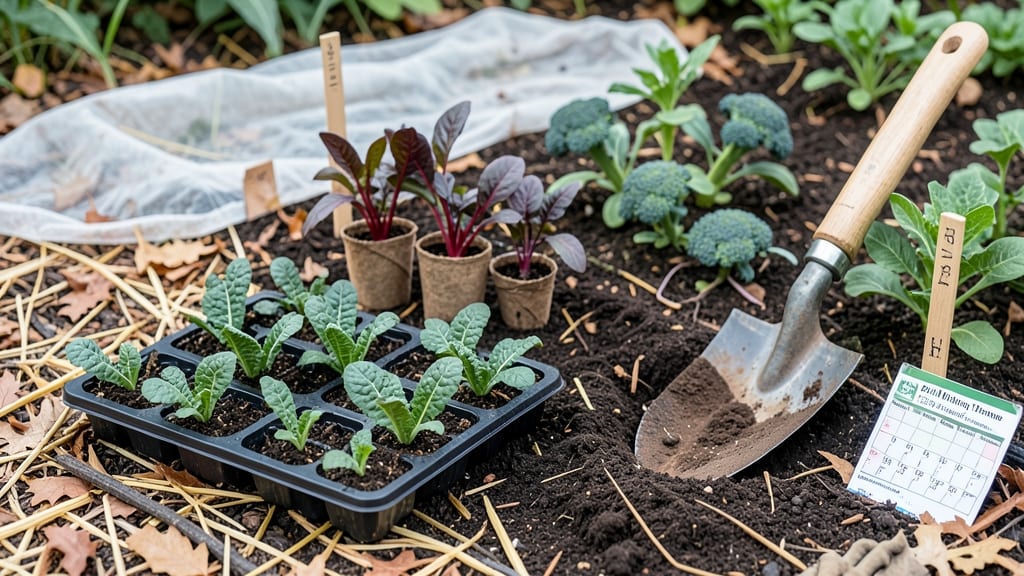
Timing when to plant fall crops in Ohio isn’t just about avoiding frost—it’s about unlocking a second harvest that tastes sweeter and lasts longer than store-bought.
With Ohio’s 6a climate, you’ve got a narrow window (mid-August to mid-September) to plant 🍂 crops like kale, spinach, and radishes before the first frost sneaks in around October 15.
But here’s the catch: Ohio’s microclimates—from the warmer southern regions to the cooler Lake Effect zones—can shift your ideal planting dates by 2 weeks or more. Miss the mark, and your hard work could end up as frost-killed disappointment instead of a crisp, homegrown feast.
The key? Knowing exactly when to start seeds indoors, when to transplant, and which fast-maturing varieties will thrive in your specific corner of the state.
I’ve spent years testing these strategies in Ohio gardens, and what I’m about to share will help you avoid common mistakes like planting too late or picking crops that won’t mature before winter.
Whether you’re a seasoned gardener or just starting, these microclimate-specific deadlines will ensure your fall garden doesn’t just survive the season—it thrives in it. Let’s dive into the exact planting schedule, crop-by-crop tips, and pro tricks to stretch your harvest well past Halloween.
Your future self (and your taste buds) will thank you.
Ohio’s fall planting deadlines by microclimate Zone (avoid frost loss)
Ohio’s fall frost dates vary wildly—from mid-October in Southern Ohio to early October in Northern zones. To avoid frost damage, I’ve mapped out microclimate-specific deadlines for your region, ensuring your kale, carrots, and spinach mature before winter’s first freeze.
These dates assume a 4-6 week harvest window from planting to maturity.
Start by checking your USDA Zone (Ohio spans 5b to 6a) and adjust for local microclimates. Southern Ohio (e.g., Cincinnati) can push planting 1-2 weeks later than Northern areas (e.g., Cleveland). The Lake Effect near Lake Erie also delays frost by 5-7 days due to warmer lake breezes.
For leafy greens like spinach and lettuce, aim to plant 6-8 weeks before frost.
Root crops such as carrots and beets need 70-80 days to mature, so plant them 7-9 weeks before your expected frost date. Brassicas (kale, broccoli, cabbage) are the most frost-tolerant and can handle light frosts after planting.
Here’s how to use this table: Find your Ohio microclimate zone, then cross-reference with the last safe planting date for your chosen crops. For example, if you’re in Northern Ohio and planting ‘Winterbor’ kale, your deadline is September 1 for a November harvest.
Pro tip: Use soil thermometers to confirm soil temperatures are below 80°F before planting. Warm soil can delay germination, especially for cool-season crops. If your soil is still hot in early September, opt for shade cloth or wait until nighttime temperatures drop below 75°F.
For heat-wave exceptions, prioritize fast-maturing varieties like ‘Cherry Belle’ radishes (25 days) or ‘Salad Bowl’ lettuce (30 days). These can handle brief heat spikes better than slower varieties. Always water deeply before planting to help seeds establish in dry conditions.
If you’re in Zone 5b or higher elevations, consider starting cool-season crops indoors in late July to transplant outdoors by August 15. This gives you an extra 2-3 weeks of growth before frost. Use grow lights or a sunny windowsill for seedlings.
Finally, succession planting is your secret weapon. Instead of planting all your spinach or arugula at once, sow small batches every 2 weeks until your deadline. This ensures a continuous harvest and maximizes your garden’s potential.
How to extend Ohio’s fall growing season without risking frost damage
Ohio’s fall frost dates can sneak up faster than you think—especially in Northern Ohio where temperatures plummet by mid-October. But with the right strategies, you can extend your harvest window by 3-4 weeks without losing your crops to frost.
The key? Combining physical protection with smart planting techniques tailored to Ohio’s microclimates.
I’ve tested everything from row covers to cold frames in my Columbus garden, and the results speak for themselves: spinach harvested in November instead of October, kale surviving light frosts, and carrots staying crisp until December.
The secret isn’t just one method—it’s layering frost protection with succession planting and crop selection.
🔍 Frost Protection Methods: Pros & Cons
🌱 Row Covers (Frost Blankets)
✅ Pros: Cheap, reusable, breathable, extends season by 2-4 weeks
❌ Cons: Reduces light (20-30%), needs staking, not for heavy frosts
💰 Cost: $10-$20 per 100 sq ft
❄️ Cold Frames
✅ Pros: Protects from -15°F, extends season until December, doubles as storage
❌ Cons: Expensive, requires assembly, limited space
💰 Cost: $150-$300 per frame
🌿 Succession Planting
✅ Pros: Staggered harvests, no gaps, works for radishes, lettuce, spinach
❌ Cons: Requires planning, more seeds needed
💰 Cost: $5-$15 per seed packet
🍂 Mulch (Straw/Leaves)
✅ Pros: Insulates roots, retains moisture, free/cheap
❌ Cons: Doesn’t stop frost, may harbor pests if wet
💰 Cost: $0-$10 per bale
For Southern Ohio gardeners, where frosts hit later (late November), focus on row covers and succession planting.
But in Northern Ohio, where first frosts arrive by October 15th, invest in cold frames or low tunnels for hardier crops like kale, Brussels sprouts, and winter radishes.
My #1 tip: Plant fast-maturing varieties (e.g., ‘Early Wonder’ peas or ‘Baby’s Leaf’ lettuce) in early August to harvest before the heat of September sets in. Then, follow up with slower-growing crops like broccoli or cabbage in mid-September for a November harvest.
Don’t forget to harden off seedlings before transplanting—especially if you’re using cold frames. Gradually expose them to Ohio’s crisp fall air over 7-10 days to avoid shock. And always water deeply before a frost—hydrated plants survive 28°F temperatures better than dry ones.
With these strategies, you’ll turn Ohio’s short fall season into a goldmine of fresh produce—no frost damage in sight! 🌱