
Plants
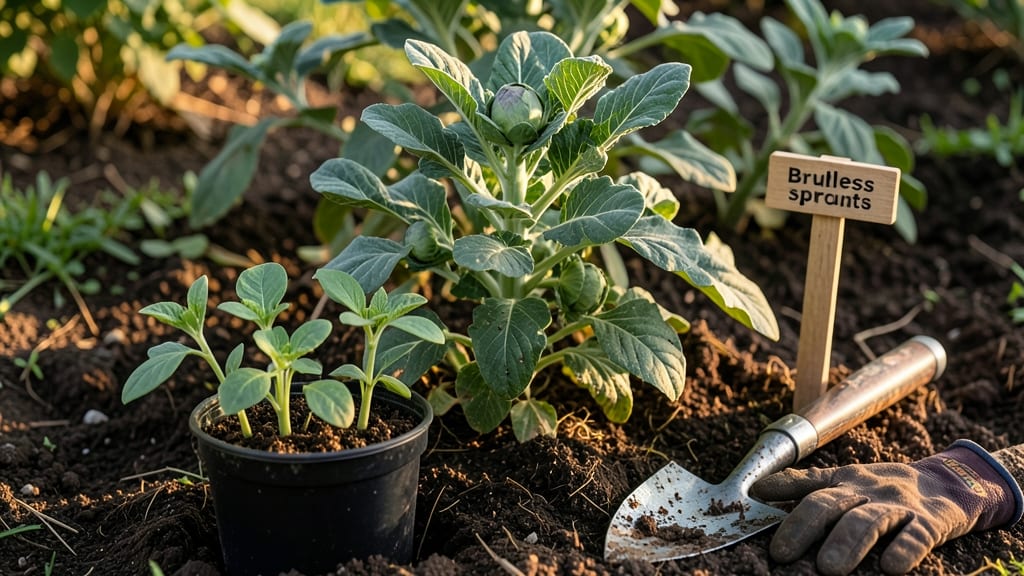
Timing your Brussel sprouts 🥦 planting in Wisconsin isn’t just about the calendar—it’s about beating frost, warming soil, and local microclimates that can add weeks to your growing season.
Skip the guesswork with data-backed windows that align with Wisconsin’s 5a-5b zones, where a single late frost can turn your crop into a sad, stunted mess.
Most gardeners in Wisconsin plant Brussel sprouts between mid-April and mid-July for fall harvests, but that’s not the whole story.
The real magic happens in understanding soil warmth—seeds won’t germinate until temperatures hit 50°F—and how urban heat islands (like Milwaukee) or sheltered valleys (like Door County) create hidden planting hotspots.
Here’s what you’ll discover: how to stretch your season with frost protection, which varieties thrive in Wisconsin’s short summers, and the exact planting windows for your specific region—so you’re harvesting plump, flavorful sprouts from October through December, not struggling with bolting or frost damage.
Ready to turn Wisconsin’s fickle climate into your Brussel sprouts advantage? Let’s dig into the science—and the shortcuts—that make all the difference.
Wisconsin Brussels sprouts planting timeline by last frost date zones
Wisconsin’s USDA Zones 5a-5b create a tight window for Brussels sprouts—but mastering soil temperature thresholds and frost-free days unlocks success. The key? Plant when soil hits 50°F+ and count back 90-120 days to your first frost. Here’s your region-by-region breakdown.
Southern Wisconsin (Madison, Milwaukee) enjoys the longest growing season—150-160 frost-free days. Northern areas (Green Bay, Chippewa) shave off 10-15 days, demanding earlier starts. Even a 3-day delay can mean smaller harvests or bolted plants.
🚨 NON-NEGOTIABLE: Soil temperature matters more than air temperature. Use a soil thermometer—Brussels sprouts won’t germinate below 50°F. In Wisconsin, this typically aligns with mid-April to early May for spring plantings.
For fall harvests, aim for late July to early August plantings. Seedlings need 60-70 days to mature before Wisconsin’s October 15 average first frost. Push it to mid-August only if using row covers.
Here’s how Wisconsin’s 5 key regions align with planting windows, using USDA data and local frost records:
Pro tip: Start seeds indoors 8–10 weeks before your last frost date. Use biodegradable pots to avoid transplant shock when moving to 6-8 hours of full sun outdoors.
For fall harvests, prioritize early-maturing varieties like ‘Long Island Improved’ (85 days) over ‘Ruby Ball’ (110 days). The latter risks frost damage if planted too late in northern Wisconsin.
🌱 Key takeaway: Southern Wisconsin gardeners have a 3-week buffer compared to northern regions. Use this to experiment with succession planting—sow every 2 weeks in spring for a staggered harvest.
Need to adjust for your specific microclimate? Check the Wisconsin State Climatology Office for your county’s 30-year frost averages. Even a 5°F warmer microclimate (like a south-facing slope) can extend your window by 7-10 days.
How to extend your Wisconsin Brussels sprouts growing season with frost protection
Wisconsin’s short growing season means Brussels sprouts need extra care to thrive. With the right frost protection, you can push planting dates 2-4 weeks earlier or extend harvests into December.
Cold frames and row covers create microclimates that shield plants from 28°F+ temperatures, while heat-tolerant varieties like 'Ruby Ball' handle late starts better than traditional types.
Start by choosing heat-tolerant varieties like 'Long Island Improved' or 'Ruby Ball', which mature faster in cooler conditions. These varieties can handle 50°F soil temperatures better than standard types, giving you a 10-14 day head start in spring or fall.
Pair them with black plastic mulch to warm soil faster—this alone can shave 7-10 days off your growing season.
🌱 Frost Protection Strategies
| Method | Pros | Cons |
|---|---|---|
| Cold Frames | Extends season by 4-6 weeks; protects from light frosts | Requires assembly; may overheat in summer |
| Row Covers | Affordable; easy to install; protects from 28°F+ | Reduces sunlight; may need staking |
| Succession Planting | Staggered harvests; reduces risk of total crop loss | Requires space; more labor-intensive |
| Heat-Tolerant Varieties | Faster maturity; handles cooler soils better | Limited availability; may sacrifice flavor |
For late-season harvests, use row covers or low tunnels to protect plants until December 1st. Remove covers during the day to prevent overheating, and secure edges with bricks or soil to avoid wind damage.
If you’re planting in early July, aim for varieties like 'Long Island Improved', which can mature in 80-90 days—just in time for a pre-frost harvest.
Monitor soil temperatures with a soil thermometer—Brussels sprouts need 50°F+ to germinate. If temperatures dip below this, delay planting or use black plastic mulch to warm the soil. In northern Wisconsin (USDA Zone 4), this might mean waiting until May 15th instead of the usual April 15th window.
Don’t forget succession planting! Sow seeds every 2-3 weeks from April to July to ensure a continuous harvest. This strategy works especially well in southern Wisconsin (USDA Zone 5), where you can extend your planting window into mid-July for a fall harvest.
Pair this with row covers to protect late plantings from early frosts.
With these strategies, you can double your harvest potential in Wisconsin’s unpredictable climate. Start with cold frames or row covers, choose heat-tolerant varieties, and always monitor soil temperatures to maximize your Brussels sprouts success. Happy gardening! 🌱