
Plants
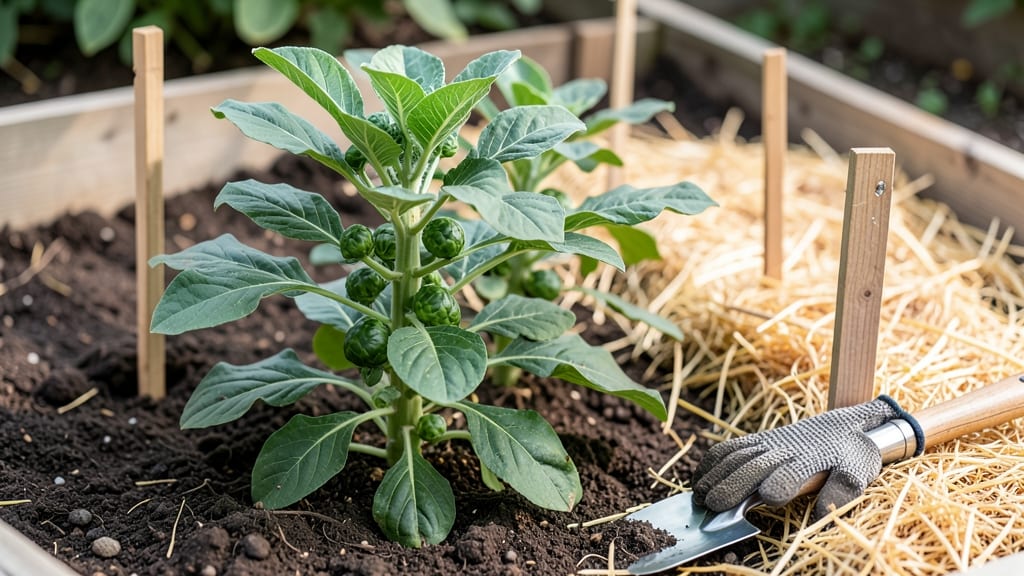
Planting Brussel sprouts in Zone 8 might seem tricky—those 🥦 need cool weather to thrive, but summer heat can turn your crop into a sad, wilted mess. The secret? Timing your fall planting just right to avoid frost while still giving those sprouts enough time to mature.
I’ve grown Brussel sprouts in Zone 8 for years, and the difference between a bountiful harvest and wasted effort comes down to two things: knowing your last frost date and choosing the right window.
Skip the guesswork—let’s break down exactly when to plant for zero frost risk and sweeter, stronger sprouts.
Most gardeners in Zone 8 swear by early fall planting, but there’s a trickier option: late summer sowing in cooler microclimates. Whether you’re direct sowing or using transplants, I’ll show you how to stretch your growing season without losing your crop to heat or cold.
Ready to grow Brussel sprouts that outshine the grocery store? Let’s dive into the ideal planting dates, soil prep, and pro tips to turn your Zone 8 garden into a sprout powerhouse.
Optimal fall planting dates for Brussel sprouts in Zone 8 (with frost risk chart)
Brussel sprouts in Zone 8 demand precise timing—plant too early, and they bolt in summer heat; too late, and frost ruins your crop. The ideal window is late summer to early fall, when soil temps drop below 75°F but before the first frost.
For most of Zone 8, this means August through mid-September, with inland areas leaning toward earlier dates.
Zone 8’s first frost typically arrives between January 15 and February 15, but microclimates (like coastal areas) can delay frost by weeks. Brussel sprouts need 80-120 days to mature, so your planting date depends on your local frost date.
For example, if frost hits January 15, aim to plant by October 1 to harvest before cold sets in.
Here’s the key: Soil temperature matters more than air temperature. Brussel sprouts thrive when soil is between 50-65°F. If your soil stays above 75°F in late summer, delay planting until temperatures drop naturally or use shade cloth to cool the soil.
🥦 Zone 8 Brussel Sprout Planting Comparison
| Planting Window | Soil Temp | Days to Harvest | Frost Risk | Best For |
|---|---|---|---|---|
| Early August | 65-75°F | 100-120 days | Low (coastal) | Inland Zone 8 |
| Mid-August | 60-70°F | 90-110 days | Moderate | Coastal/mild areas |
| Late August | 55-65°F | 80-90 days | Low | All Zone 8 |
| Early September | 50-60°F | 70-80 days | High (late frost risk) | Urgent harvests |
*Frost risk based on average Zone 8 last frost dates (USDA data). Adjust for local microclimates.
For direct sowing, start seeds in late August to ensure they mature before frost. If using transplants, set them out 4-6 weeks before your first frost—typically by mid-October in most of Zone 8.
Pro tip: Check your local Almanac frost dates and subtract 90 days to pinpoint your ideal planting window.
Zone 8 gardeners in cooler microclimates (e.g., higher elevations or near water) can push planting into early October, but avoid sowing after September 15 unless you’re using row covers. The goal is to harvest before consistent freezing temps (below 28°F) arrive, which can damage even mature sprouts.
One common mistake? Planting Brussel sprouts in spring for a summer harvest. While possible in cooler Zone 8 microclimates (like coastal areas), most inland gardeners will face bolting or poor flavor. Stick to fall planting for the best results—your sprouts will taste sweeter after a light frost, too!
To maximize your harvest, pair planting with succession sowing: Start a second batch 2-3 weeks after the first to stagger maturity. This ensures a steady supply of sprouts from October through December, just before winter sets in.
Remember: Soil prep is half the battle. Brussel sprouts love rich, well-draining soil with a pH of 6.0-7.0. Amend your beds with compost and a balanced fertilizer (5-10-10) 2-3 weeks before planting to give roots a nutrient boost for fall growth.
🌱
Optimal fall planting dates for Brussel sprouts in Zone 8 (with frost risk chart)
Zone 8 gardeners have a narrow but critical window for planting Brussel sprouts—typically between mid-August and early September. This timing ensures your plants mature before first frost (usually around January 15 in Zone 8) while avoiding summer’s scorching heat.
Planting too early risks bolting, while late planting may leave sprouts vulnerable to cold snaps.
For direct sowing, aim for August 1–15 to give plants 80–90 days to reach harvest size. If using transplants, wait until late August to allow roots to establish before cooler weather arrives. Coastal areas may extend this window slightly due to milder microclimates.
Soil temperature is your best guide: Brussel sprouts thrive when soil cools to 60–70°F. Use a soil thermometer to confirm readiness—planting when temps drop below 65°F reduces stress and bolting risks.
| Planting Window | Frost Risk | Maturity Timeline | Action |
|---|---|---|---|
| Early August (Direct Sow) | Low (summer heat stress) | Harvest by late October | ✅ Ideal for early varieties |
| Mid-August (Direct Sow) | Moderate (bolting risk) | Harvest by December | ⚠️ Monitor heat stress |
| Late August (Transplants) | Low (cool weather) | Harvest by January | ✅ Best for most varieties |
| Early September | High (frost risk) | Harvest by late December | ❌ Risky unless using row covers |
Pro tip: Succession plant every 2–3 weeks in August to stagger harvests from October through December. This spreads out your labor and ensures a steady supply of fresh sprouts. Choose cold-hardy varieties like ‘Long Island Improved’ or ‘Ruby’ for Zone 8’s unpredictable winters.
Always check your local frost dates—even within Zone 8, inland areas (like Las Vegas) may frost earlier than coastal spots (like San Diego). Adjust your timeline by 1–2 weeks if your region deviates from the average.
For extra protection, mulch heavily with straw or leaves after planting to insulate roots. This small step can mean the difference between a frost-free harvest and lost crops.