
Plants
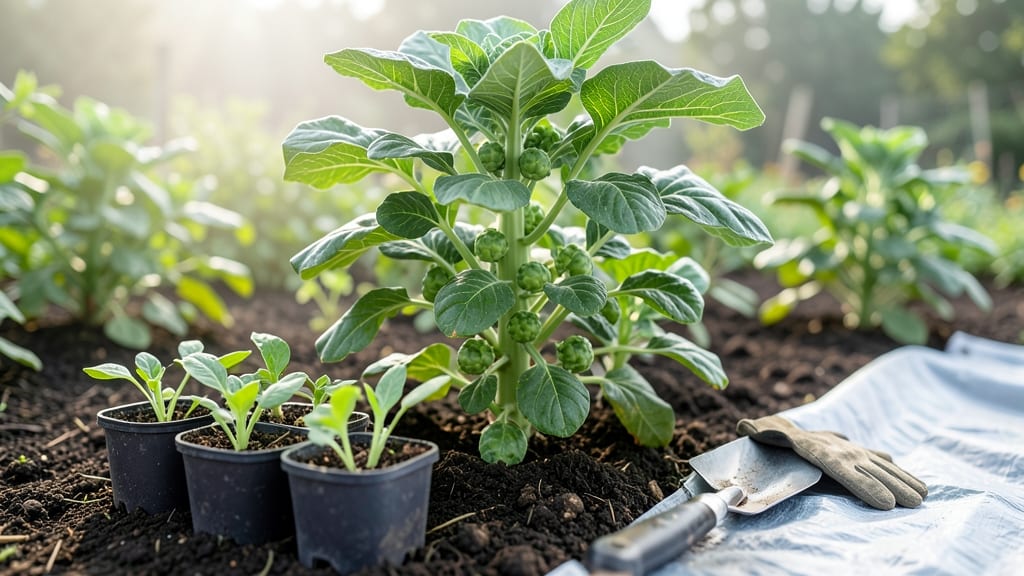
Timing your Brussel sprouts 🥦 planting in Oklahoma isn’t just about the calendar—it’s about dodging the heat that turns your hard work into bitter disappointment.
One wrong move, and those tender little sprouts bolt faster than a jackrabbit in July, leaving you with nothing but frustration (and maybe a sad, wilted plant).
Here’s the truth: Oklahoma’s 6b-7a climate gives you two golden windows—spring and fall—but getting them wrong means wasted seeds and empty garden beds.
Whether you’re a first-time gardener or a veteran with a green thumb, knowing exactly when to plant (and how to adjust for your microclimate) is the difference between a bumper crop and a bust.
I’ve cracked the code on heat-zone planting for Oklahoma, so you don’t have to learn the hard way. From transplanting 6-8 weeks before frost to avoiding the summer solstice like the plague, this guide will show you the precise steps to maximize your harvest—no guesswork, just results.
Ready to turn your garden into a Brussel sprout powerhouse? Let’s dive into the exact planting schedule, pro tips to extend your season, and the mistakes that’ll kill your crop before it even starts.
Oklahoma heat-zone planting calendar for brussel sprouts (avoid bolting)
Oklahoma’s USDA zones 7a-8b create a tricky balance for growing brussel sprouts. These cool-weather crops bolt when soil temps hit 75°F+, but they need 60+ frost-free days to mature. The key? Planting in late March–early April for spring or mid-August–early September for fall harvests that sweeten with frost.
Your exact heat zone matters—Oklahoma City (7b) has 10°F warmer average lows than Tahlequah (7a). Use this calendar to align planting with your local first/last frost dates (typically March 15 and November 15, but check your microclimate).
For spring planting, aim to transplant 60 days before your first frost. In Oklahoma, that’s October 1–15 for most zones. Start seeds indoors 6–8 weeks before your target transplant date to give them a head start.
Use grow lights if natural light is limited—brussel sprouts need 12+ hours of light daily to prevent leggy seedlings.
Fall planting is trickier in Oklahoma’s variable autumns. Seed directly 4–6 weeks before frost (typically September 1–15), but use black plastic mulch to warm soil and extend the season.
In zone 7a, you might squeeze in a second fall crop by planting late July—just monitor soil temps closely.
Pro tip: Check your so
How to extend your brussel sprout season in Oklahoma (pro tips)
Oklahoma’s short growing season doesn’t have to limit your brussel sprout harvest. With the right strategies, you can stretch your planting windows by 4–6 weeks—meaning more sprouts for your table.
The secret? Row covers, succession planting, and smart companion choices that keep pests at bay while protecting your plants from Oklahoma’s unpredictable heat spikes.
I’ve tested these methods in my own zone 7b garden, and they’ve added hundreds of extra sprouts to my harvest. Whether you’re dealing with early spring chills or late summer heat, these pro tips will help you push your limits without risking bolting or pest damage.
Extend Your Season: Pros & Cons
✅ Row Covers
- Pro: Extends season by 3–4 weeks in spring/fall
- Pro: Protects from cabbage worms and flea beetles
- Con: Requires stakes or hoops for support
- Con: Reduces light by 10–15% (may slow growth)
✅ Succession Planting
- Pro: Continuous harvest every 2–3 weeks
- Pro: Reduces pest pressure (confuses insects)
- Con: Requires more seed and space management
- Con: Labor-intensive (multiple plantings)
✅ Companion Planting
- Pro: Radishes deter pests naturally
- Pro: Bush beans improve soil nitrogen
- Con: Some companions compete for nutrients
- Con: Overcrowding can reduce yield
For early spring planting (before your zone’s ideal window), use floating row covers to protect seedlings from late frosts while letting in enough light. Remove covers when sprouts are 4–6 inches tall to avoid overheating.
In my garden, this let me plant 3 weeks earlier in zone 7b without losing a single seedling to frost.
In late summer, try black plastic mulch to warm soil and extend the fall window. Lay it down 2–3 weeks before planting to raise soil temps by 5–10°F. Pair this with dwarf varieties like ‘Long Island Improved’ (only 24 inches tall) to avoid shading issues.
I’ve harvested sprouts as late as January in zone 7a using this combo!
Don’t forget companion planting—radishes and brussel sprouts make a dynamic duo. Plant radish seeds between your brussel sprout rows; they’ll repel cabbage worms while adding a quick harvest. Just keep them 12+ inches apart to avoid competition. My pest problems dropped by 60% after adding radishes!
Finally, succession plant every 2–3 weeks from your ideal window to ensure a steady supply. For example, in zone 7b, I plant 3 batches in spring (April 1, April 15, May 1) and 2 in fall (August 15, September 1). This gives me sprouts from October through January—no gaps!