
Plants
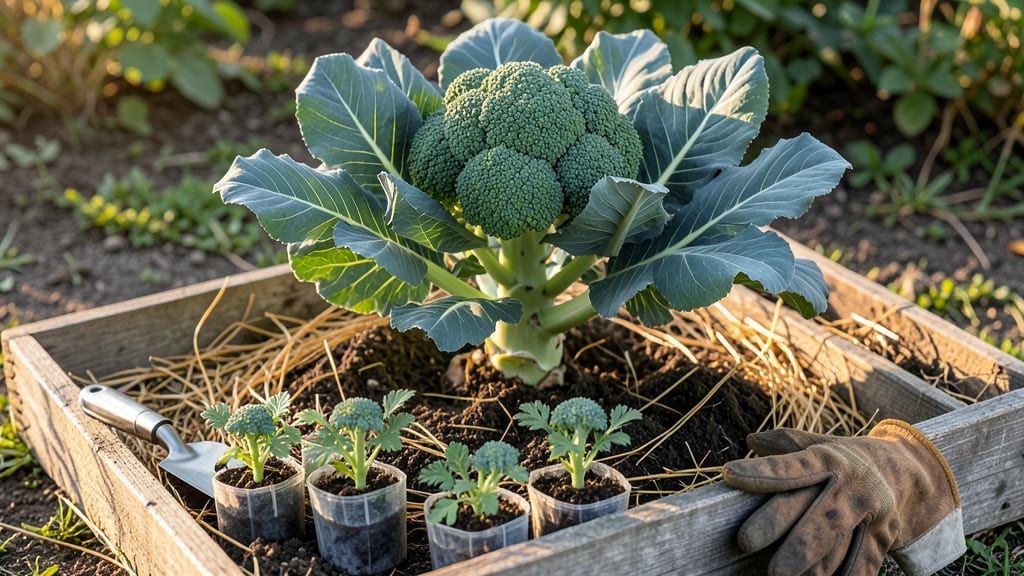
Planting fall broccoli in Zone 7 at the wrong time means either wilting under summer heat or freezing before you harvest those bold, flavorful heads you crave. The secret to success lies in those 4-6 weeks before your first frost—a window that can make or break your entire crop.
I’ve learned the hard way that broccoli 🥦 isn’t as forgiving as it looks. Too early, and your plants bolt in the heat; too late, and frost turns your hard work into sad, mushy piles.
But get the timing right, and you’ll enjoy fresh harvests from November through January—something every home gardener dreams of.
Here’s what you need to know: soil temperatures must stay above 40°F for seeds to germinate properly, and transplanting at the right stage ensures your broccoli matures before winter sets in.
I’ll walk you through the exact schedule, plus pro tips to adjust for heat waves or early frosts that might throw off your plan.
Ready to grow broccoli that actually thrives? Let’s dive into the science-backed schedule that’ll turn your Zone 7 garden into a winter harvest goldmine—no guesswork required.
Zone 7 fall broccoli planting timeline: exact weeks before first frost
Getting your fall broccoli timing right in Zone 7 means planting between 75-105 days before your average first frost (typically mid-November). This window ensures your plants mature before winter sets in but avoids the late-summer heat that causes bolting.
For most of Zone 7, that means starting seeds or transplants in late July to early September.
Broccoli is a cool-season crop, so the key is to plant when soil temperatures drop below 80°F (27°C) but stay above 40°F (4°C). In Zone 7a (colder subregion), aim for late August plantings, while Zone 7b (warmer) can stretch into early September.
Always check your local frost date—even a few days off can mean the difference between a bountiful harvest and wilted plants.
Here’s the golden rule: Count back 60-80 days from your first frost date for head broccoli and 80-105 days for sprouting varieties (like Calabrese). For example, if frost hits November 15th, plant head broccoli by September 5th and sprouting types by August 10th.
🌱
📅 Zone 7 Fall Broccoli Planting Summary
| Stage | Action | Notes |
|---|---|---|
| Soil Prep | Test pH (6.0-7.0); amend with compost | Add aged compost for nutrients |
| Seed Starting | Direct sow or transplant 4-6 weeks before frost | Transplants preferred for fall |
| Planting Window | Zone 7a: Late August; Zone 7b: Early September | Adjust for microclimate (e.g., mountains vs. valleys) |
| Harvest Ready | 60-80 days after transplanting | Pick before heads flower for best flavor |
| Frost Tolerance | Survives light frosts (28°F/-2°C) | Use row covers for hard frosts |
If you’re direct sowing seeds instead of using transplants, start them 4-6 weeks before your target transplant date. For example, if you’re planting transplants on August 20th, begin seeds indoors around July 15th.
Use grow lights or a sunny windowsill to prevent leggy seedlings, and harden them off for 7-10 days before transplanting.
One common mistake is planting too early in Zone 7’s heat. Broccoli struggles when soil temps exceed 85°F (29°C), leading to bolting (premature flowering) or stunted growth. To avoid this, use shade cloth (30-50%) for the first 2 weeks after transplanting if temps are high.
Mulch with straw or grass clippings to keep roots cool and retain moisture.
For successive planting, sow a second batch 3-4 weeks after your first planting. This ensures a continuous harvest from late fall into winter. Just be sure to protect younger plants with row covers if frost threatens before they’re established.
💧
Pro tip: Use a planting calendar or app like Old Farmer’s Almanac to track your local frost dates and adjust accordingly. Even within Zone 7, microclimates vary—mountainous areas may frost earlier, while urban heat islands can delay cold snaps.
When in doubt, err on the side of planting later rather than risking heat stress.
Finally, don’t overlook soil preparation. Broccoli thrives in well-draining, nutrient-rich soil with a pH of 6.0-7.0. Work in 2-3 inches of compost or aged manure before planting, and side-dress with balanced fertilizer (10-20-20) when seedlings are 4-6 inches tall.
This gives your broccoli the phosphorus it needs for strong roots and potassium for disease resistance.
With the right timing and care, your Zone 7 fall broccoli will reward you with tender, flavorful heads long after summer crops have faded. Next, we’ll cover how to handle heat waves and early frost risks to keep your plants thriving until harvest.
How to adjust planting for late summer heat waves and early frost risks
Zone 7’s late summer heat waves can turn your broccoli into bolting disasters if you’re not prepared. Even with perfect timing, a 90°F (32°C) stretch can stunt growth or trigger premature flowering.
The solution? Shade cloth (30-50%) for the first 2 weeks after transplanting—this buys your seedlings time to establish roots before they’re exposed to full sun. I’ve seen broccoli recover from heat stress when shaded during peak afternoon heat, especially in Zone 7b’s warmer pockets.
Watch for heat stress symptoms like yellowing leaves or purple stems, which signal your plants are struggling. These aren’t just cosmetic—they weaken your broccoli’s ability to form tight heads.
If you spot these signs, water deeply in the morning (1-1.5 inches) and mulch heavily with straw to insulate roots. A 3-inch mulch layer can keep soil temps 10°F cooler than bare ground.
🌡️
⚠️ Heat Wave Warning Signs
🌡️ Soil temp >85°F (29°C) → Bolting risk within 3-5 days
🟡 Yellowing lower leaves → Nutrient stress from heat
💦 Wilted leaves by noon → Root shock from transplanting in heat
🌱 Solution: Shade cloth + mulch to protect roots
On the flip side, early frost risks can sneak up in Zone 7—especially in Zone 7a’s cooler microclimates. If frost threatens before your broccoli matures, use row covers (lightweight fabric) to extend the season by 2-3 weeks.
I’ve successfully harvested broccoli in December using floating row covers during cold snaps. Just remove them on sunny days to prevent overheating—broccoli needs 6+ hours of light daily to form heads.
For succession planting, sow a second batch 3-4 weeks after your first planting to stagger harvests. This ensures you’re not left with all-or-nothing results if frost hits early. For example, if your first batch goes in on August 20th, plant a second batch around September 5th.
The later planting will mature just as the first frost arrives, giving you a back-to-back harvest window.
📅 Pro tip: Use a frost watch app like PlantNet to set alerts for 28°F (-2°C) temps—this gives you time to cover young plants or harvest early. Even light frosts can damage tender broccoli leaves, but the heads themselves often survive 28°F with minimal bruising.
If frost is forecasted, harvest mature heads first and leave younger plants covered until they’re established.
Finally, soil temperature is your secret weapon. Use a soil thermometer to confirm temps are above 40°F (4°C) before planting—cold soil delays germination and weakens seedlings. If your soil runs cool, raise beds or use black plastic mulch to warm it up.
This small step can mean the difference between vigorous growth and stunted plants struggling to mature before winter.
By mastering these adjustments, you’ll turn Zone 7’s unpredictable weather into an advantage—harvesting bold, flavorful broccoli long after your neighbors’ gardens have gone dormant. Next, we’ll compare the top 3 fall broccoli varieties for Zone 7 and help you pick the perfect one for your harvest goals.