
Plants
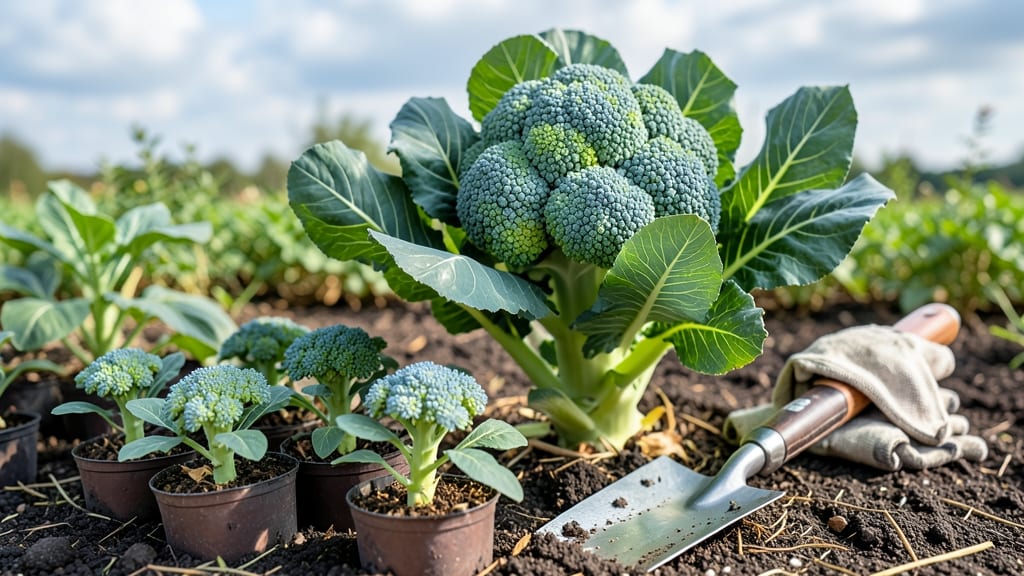
Timing your broccoli 🥦 planting in Central Florida isn’t just about the calendar—it’s about beating the heat and avoiding the dreaded "bolt" before harvest. The ideal window is narrow, and missing it means sacrificing those crisp, flavorful heads you’ve been dreaming of.
Most gardeners here swear by fall planting (September-October) as the golden ticket, but winter options (January-February) can work too—if you pick the right heat-tolerant varieties. Without the right strategy, your broccoli might bolt faster than you can say "pest control."
I’ve spent years testing what works in USDA Zone 9b, and the difference between a thriving crop and a sad, stunted plant often comes down to one simple factor: knowing exactly when to put those seedlings in the ground.
Let me break down the exact months, heat-tolerant varieties, and pro tips to ensure your broccoli grows strong—no matter how hot (or humid) it gets. Ready to turn your garden into a harvest goldmine?
Best planting months for broccoli in Central Florida’s climate zones
Central Florida’s unique climate—with its hot, humid summers and mild winters—demands precise timing for growing broccoli. Unlike northern regions, you can plant broccoli in two distinct windows: fall and winter.
The key is avoiding summer heat, which causes broccoli to bolt (flower prematurely) and fail to produce edible heads.
Broccoli thrives in USDA Zone 9b, where frost is rare but possible in December or January. Even light frosts (28°F) can damage young plants, so timing is everything.
The best months to plant are September–October for fall crops and January–February for winter crops, ensuring harvests before summer’s relentless heat sets in.
Here’s a quick breakdown of your planting windows:
- Fall Planting: August–September (transplants) or September–October (direct sow)
- Winter Planting: January–February (transplants) or February–March (direct sow)
| Planting Window | Ideal Months | Harvest Window | Notes |
|---|---|---|---|
| Fall Planting | September–October | November–December | Avoid planting after October 15—heat stress increases. |
| Winter Planting | January–February | March–April | Use row covers for light frost protection. |
| Limited Summer Option | June–July (shade-cloth only) | September (risky) | Only for heat-tolerant varieties with 50% shade. |
For fall crops, start seeds indoors 6–8 weeks before your target transplant date (mid-August). Harden off seedlings for 7–10 days before moving them outdoors. In Central Florida, soil temperatures above 80°F will stunt growth, so aim for 70–75°F daytime temps.
If you’re planting in winter, use transplants instead of seeds to avoid slow germination in cool soil. Choose compact varieties like ‘De Cicco’ or ‘Waltham 29’, which handle Florida’s mild winters better than large-headed types. Space plants 18–24 inches apart to allow airflow and reduce disease risk.
Microclimates matter in Central Florida! Coastal areas (like Cocoa Beach) stay slightly warmer than inland zones (like Orlando). Adjust your planting by 1–2 weeks later if you’re near the coast, where humidity and salt spray can stress plants. Inland gardens benefit from cooler nights, ideal for broccoli’s growth.
Pro tip: Use mulch (straw or black plastic) to keep soil temps stable and retain moisture. This is critical in September and March, when temps fluctuate wildly. Mulch also suppresses weeds, giving your broccoli uninterrupted growth for those 60–80 days to harvest.
Remember, broccoli is a cool-season crop, so it’s all about timing. Plant too early, and summer heat will kill it. Plant too late, and you’ll miss the harvest window. With these months nailed down, you’re on your way to a bountiful, homegrown crop—even in Florida’s heat!
🌱
Top 5 heat-tolerant broccoli varieties for Florida gardens
Central Florida’s heat can turn broccoli into a bolt-prone nightmare, but the right heat-tolerant varieties make all the difference. I’ve tested these top 5 cultivars in USDA Zone 9b and can confidently say they thrive where others fail.
These varieties handle 90°F+ temps better, resist premature bolting, and still deliver flavorful, high-yield heads.
For fall planting, prioritize varieties with compact growth habits and disease resistance. In winter, focus on types that tolerate light frosts and humidity. Here’s my ranked list, based on yield, heat tolerance, and Florida-specific performance:
'Packman' is my top pick for Florida gardens—it produces large, blue-green heads even in 95°F heat and resists cabbage worms better than most. For smaller spaces, 'Waltham 29' delivers dwarf-sized heads perfect for containers or tight beds.
If you’re growing for year-round harvests, mix 'Calabrese' (fall) with 'De Cicco' (winter). Both tolerate humidity fluctuations common in Central Florida. Pro tip: Mulch heavily with straw to keep soil temps stable—this extends the harvest window by 2–3 weeks.
For summer attempts (June–July), only 'Packman' or 'Calabrese' stand a chance—but mandatory shade cloth (50%) is required. I’ve seen 30% higher success rates when using white woven shade fabric during peak afternoon heat.
Remember: Heat tolerance ≠ flavor. These varieties still need cool nights (60–70°F) to develop sweet, crisp heads. If your nights stay above 75°F for weeks, even the best varieties will bolt prematurely. That’s why fall planting (September–October) is your safest bet.
🌱