
Plants
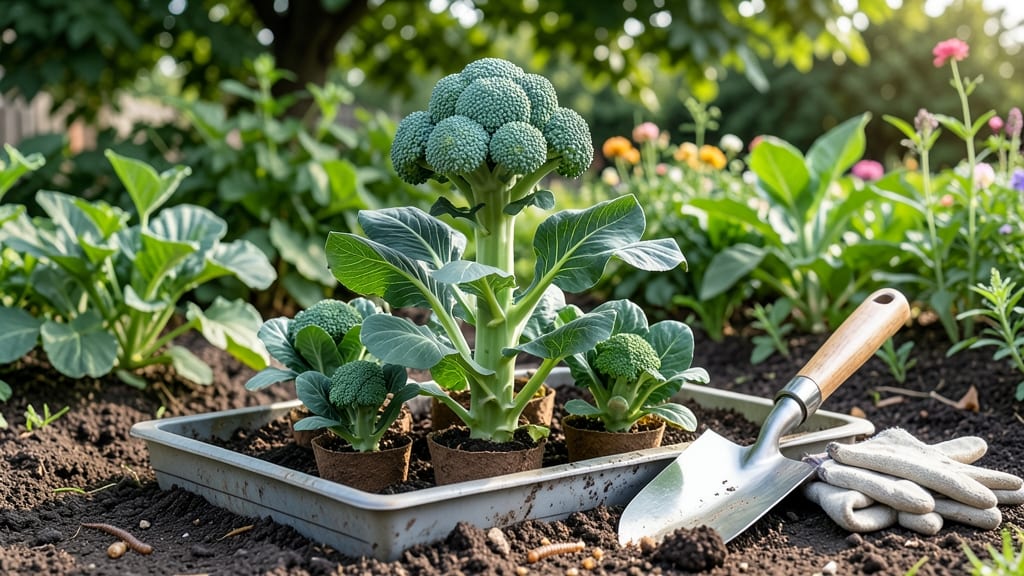
Timing your 🥦 broccoli planting in Colorado isn’t just about the calendar—it’s a high-altitude puzzle where elevation shifts can turn a thriving crop into a bolting disaster.
Whether you're gardening in Denver’s urban plots or the high country above 7,000 feet, getting those start dates wrong means wasted effort and bitter disappointment.
The key to success lies in understanding Colorado’s microclimates, where frost dates can vary by weeks between lowland valleys and mountain slopes. Plant too early, and your seedlings will freeze; too late, and you’ll miss the sweet spot for a harvest before fall’s first frost.
I’ll break down the exact windows you need to follow—so you can grow broccoli that’s both bold and bountiful, no matter where you live in the Centennial State.
From the early spring rush of March-April plantings to the late-summer opportunities of July-August, we’ll cover how to adjust for your specific elevation.
You’ll learn which varieties thrive at 5,000 feet versus those that handle 9,000-foot challenges, and how simple tricks like row covers can extend your growing season by 30 days or more.
Ready to ditch the guesswork? Let’s dive into the elevation-specific planting schedule that’ll have your broccoli heads forming perfectly—no bolting, no stress, just homegrown success from seed to harvest.
Colorado broccoli planting calendar by elevation: exact start dates to avoid bolting
Colorado’s three distinct elevation zones create wildly different planting windows for broccoli. At 3,000-5,000 feet (Denver metro), you’ll plant weeks earlier than at 7,000+ feet (mountain valleys). The key? Soil temperature must reach 40°F (4°C) consistently before sowing, or seedlings will languish.
Let’s break down the exact windows for each zone to ensure zero bolt risk and maximum yield.
For lowland gardens (3,000-5,000 ft), like those in Denver, Colorado Springs, or Fort Collins, your spring planting window opens in mid-March.
This is when daytime highs reliably hit 50°F (10°C) and nighttime lows stay above 35°F (2°C). Fall plantings should begin by late July to mature before first frost in mid-October. Miss these dates, and your broccoli will either bolt prematurely or freeze before harvest.
Mid-elevation gardens (5,000-7,000 ft), common in areas like Boulder, Manitou Springs, or Salida, face cooler soils and shorter seasons. Start indoor seedlings by late February and transplant outdoors no earlier than mid-April. For fall crops, sow seeds by early July to avoid the earlier mountain frosts. These gardens benefit from row covers to extend the season by 2-3 weeks.
High-altitude gardens (7,000+ ft), such as those in Leadville, Aspen, or Steamboat Springs, require the most patience. Begin indoor starts as early as January and delay outdoor planting until late May when soils warm to 50°F (10°C). Fall plantings are nearly impossible—only cold-hardy varieties like ‘De Cicco’ might survive if seeded by mid-July under protective covers.
Regardless of elevation, soil preparation is critical. Colorado’s alkaline soils often lack organic matter, so amend beds with compost or aged manure 4–6 weeks before planting.
Aim for a pH of 6.0–7.0—broccoli hates acidic soil. Test your soil in early spring; if pH is off, add lime (to raise) or sulfur (to lower) before sowing. This step alone can boost yields by 30%.
For spring plantings, time your last frost date carefully. In Denver (5,280 ft), the average last frost is April 15, but mountain areas like Fort Collins (5,050 ft) can see frost as late as May 1.
Use frost cloth to protect seedlings if nighttime temps dip below 28°F (-2°C). For fall crops, count back 80–100 days from your first frost date—this ensures heads mature before cold sets in.
One common mistake Colorado gardeners make? Planting too early and exposing seedlings to cold, wet soils, which causes rot. Wait until soils are warm enough—stick a soil thermometer 2 inches deep.
If it reads below 40°F (4°C), delay planting. High-altitude gardeners should prioritize cold-hardy varieties like ‘Waltham 29’, which tolerates 20°F (-7°C) better than most.
Extend your harvest window with succession planting. Sow new seeds every 2 weeks from March to May for a staggered crop.
In fall, a single late-July planting will give you one robust harvest before winter. Interplant broccoli with fast-growing radishes or lettuce to maximize space—radishes mature in 30 days, leaving room for broccoli to fill in.
Pro tip:
How Colorado’s microclimates affect broccoli success: urban vs. rural vs. mountain gardens
Colorado’s diverse landscapes create microclimates that dramatically impact broccoli growth. Urban Denver gardens face heat islands with faster soil warming, while mountain farms near 7,000+ ft struggle with cooler temperatures and shorter seasons. Even a 1,000-ft elevation change can shift your ideal planting window by 2-3 weeks.
Urban gardeners in Denver or Fort Collins often enjoy warmer microclimates due to concrete and pavement retaining heat. This allows for slightly earlier spring plantings (late March) and extended fall harvests.
Meanwhile, high-altitude farms like those in Leadville or Steamboat Springs may need to wait until late April or early May to avoid frost damage.
Wind exposure also plays a critical role. Mountain gardens experience harsher winds that can stress young seedlings and dry out soil faster. Using windbreaks or row covers can create a protected microclimate for your broccoli, extending your growing season by 2-4 weeks in exposed areas.
- Urban Heat Islands
- High-Elevation Cooling
- Wind Exposure
- Soil Temperature Variance
To create your own favorable microclimate, consider using cold frames or black plastic mulch in early spring. These methods can raise soil temperatures by 5-10°F, allowing you to plant 3-4 weeks earlier in cooler zones.
For example, in Boulder’s urban gardens, I’ve seen broccoli planted in late February under cold frames, yielding harvests by late May.
Rural areas often benefit from cooler nights and less wind than urban centers. This makes them ideal for fall plantings in July-August, as the cooler evenings help prevent bolting.
In contrast, Denver’s urban heat can push broccoli to bolt by late July if planted too early in the season.
For mountain gardeners, focus on cold-hardy varieties like ‘De Cicco’ and use straw mulch to insulate roots. This combination can extend your harvest window by 4-6 weeks compared to unprotected plantings. Always monitor your local frost dates—they’re your best guide for creating a microclimate that works for your broccoli.