
Plants
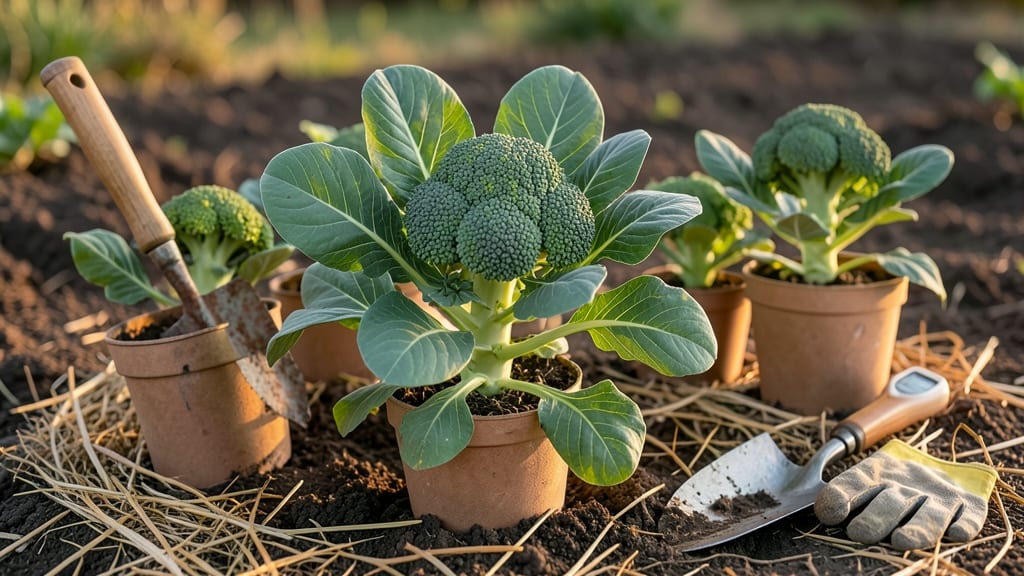
If you've ever wondered when to plant the fall crops in Zone 8 that make the difference between a thriving garden and a disappointing one, the answer likely boils down to timing.
Planting your fall crops at the wrong moment can mean the difference between a bountiful harvest and wasted effort. The key is understanding the exact weeks before first frost that give your plants the best chance to establish strong roots and mature before winter sets in.
For gardeners in Zone 8, where the first frost typically arrives around mid-January, the window for planting fall crops like lettuce, kale, and carrots is narrow but critical. You don’t want to plant too early and risk bolting, nor too late and face frost damage.
The sweet spot? Starting around August through early October, depending on the crop. This timing ensures your plants have enough time to grow before the chill of winter slows them down.
I’ve spent years perfecting my fall garden, and what I’ve learned is that a little preparation goes a long way. Whether you're a seasoned gardener or just starting out, knowing the right time to plant can save you from frustration and help you enjoy fresh produce straight from your garden.
Let’s break down the best strategies to make sure your fall crops grow like they’re supposed to—without the guesswork.
From soil temperature tips to frost date calculations, I’ll walk you through everything you need to know to get your fall garden off to a strong start.
By the end, you’ll feel confident about when to plant, what to plant, and how to protect your crops once they’re in the ground. Ready to turn your fall garden into a success story?
Best fall planting timeline for Zone 8 crops by type
Zone 8 gardeners have a golden window for fall crops—typically August through October—but timing varies wildly between root vegetables, leafy greens, and brassicas. The key? Planting 6-8 weeks before your first frost date (usually mid-January in Zone 8) to ensure harvests before winter sets in.
For example, carrots and beets need a full 70-90 days to mature, while spinach and kale can handle cooler temps and bolt slower.
Soil temperature is your best guide. Most fall crops thrive when soil stays above 45°F but below 80°F. If your soil is still warm from summer, opt for heat-tolerant varieties like 'Black Seeded Simpson' lettuce or 'Winter Density' kale.
Cooling nights in September signal it’s time for spinach, radishes, and turnips, which prefer 50-65°F soil.
Here’s the critical rule: Direct-sow fast growers like radishes (25 days) and bush beans (50 days) as soon as soil cools in early August. For slower growers like broccoli (85 days) or cabbage (90 days), start transplants indoors in late July to harden off by mid-August.
This two-month head start ensures they’re ready to harvest before frost.
| Crop Type | Planting Window | Days to Maturity | Soil Temp (°F) | Frost Tolerance |
|---|---|---|---|---|
| Root Crops (Carrots, Beets, Radishes) | Aug 15–Sep 15 | 30–90 days | 45–70°F | Moderate (harvest before frost) |
| Leafy Greens (Lettuce, Spinach, Kale) | Sep 1–Oct 15 | 30–60 days | 50–65°F | High (survives light frost) |
| Brassicas (Broccoli, Cabbage, Brussels Sprouts) | Aug 1–Sep 1 | 60–120 days | 55–75°F | Moderate (harvest before hard frost) |
| Herbs (Cilantro, Parsley, Dill) | Aug 15–Sep 30 | 40–70 days | 50–70°F | Low (bolts in heat) |
Pro tip: Use a soil thermometer to check temps before planting. If your soil is still above 80°F in August, delay planting heat-sensitive greens like spinach until September, when nights dip below 70°F.
For urban gardeners, microclimates matter—south-facing beds warm faster, while north sides stay cooler longer. Adjust your timeline 1-2 weeks earlier for shaded spots.
Don’t overlook succession planting! Sow fast-growing crops like radishes or bush beans every 2 weeks from August through September to stagger harvests. This ensures a continuous supply of fresh produce even as temperatures drop.
For example, plant radishes on August 15, September 1, and September 15 for harvests in September, October, and November respectively.
Herbs like cilantro and parsley are fall planting superstars in Zone 8. They thrive in cooler weather and often bolt less than in spring.
Direct-sow cilantro in late August for a harvest by November, then let it bolt and reseed naturally for a winter green that many gardeners overlook. Dill, too, grows faster in fall and attracts beneficial pollinators like hoverflies.
Watch for local frost alerts in late October. If a light frost is forecast, protect tender greens like baby lettuce with a row cover or cloche.
Many leafy greens (e.g., 'Winter Density' kale) actually sweeten after frost, making them even more delicious. For root crops, harvest before the ground freezes—<
Best fall planting timeline for Zone 8 crops by type
Zone 8’s mild winters mean you can grow cool-season crops well into fall—if you time it right. The key is planting 6-8 weeks before your first frost (typically mid-January in most of Zone 8).
This gives plants enough time to mature before temperatures drop below 20°F (-6°C), which can damage even frost-tolerant varieties.
Not all crops thrive on the same schedule. Leafy greens like spinach and kale can handle cooler temps, while root vegetables like carrots and beets need warmer soil to germinate. Below, I’ve broken down the ideal planting windows for each crop type, including direct-sow vs. transplant timing for maximum yield.
🌱 Did You Know? Zone 8’s microclimates (urban vs. rural, coastal vs. inland) can shift frost dates by 1-2 weeks. Check your local Almanac frost calendar or use a soil thermometer to confirm your last planting window.
| Crop Type | Planting Window | Weeks Before Frost | Notes |
|---|---|---|---|
| Leafy Greens (lettuce, spinach, kale) | Late July - Early September | 6-8 weeks | Direct-sow; avoid bolting with shade cloth |
| Root Vegetables (carrots, beets, radishes) | Mid-August - Late September | 8-10 weeks | Soil temp must be above 50°F (10°C) for germination |
| Brassicas (broccoli, cabbage, Brussels sprouts) | Early August - Mid-September | 10-12 weeks | Transplant seedlings; cold-hardy but slow to establish |
| Herbs (cilantro, parsley, dill) | Late August - Early October | 4-6 weeks | Direct-sow; harvest before frost for best flavor |
For transplants like broccoli or cabbage, start seeds 4-6 weeks indoors before your target outdoor planting date. This gives them a head start in cooler soil. Direct-sown crops like lettuce or radishes germinate faster in warm soil, so don’t wait too late—mid-September is the cutoff for most varieties.
Pro tip: Use a soil thermometer to confirm soil temps are above 45°F (7°C) before planting roots or brassicas. Cold soil slows germination and can lead to rot or poor establishment. If temps drop below 50°F (10°C), opt for frost-tolerant varieties like ‘Winter Density’ kale or ‘Rainbow’ carrots.
Remember, succession planting is your friend in fall! Sow small batches every 2 weeks for a continuous harvest. For example, plant radishes every 10 days from August through September to enjoy fresh greens until frost. This extends your harvest window and maximizes garden space.