
Plants
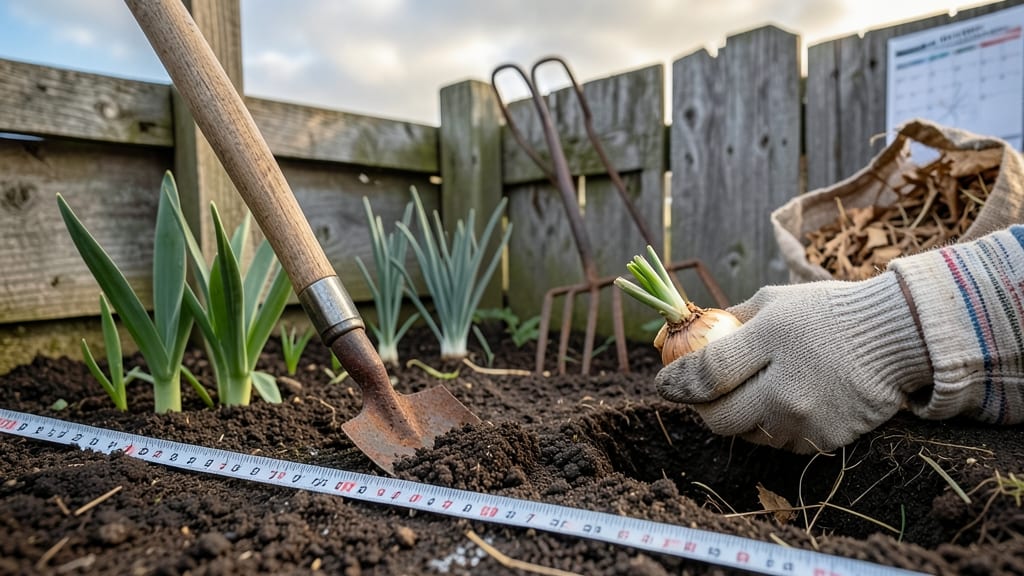
Planting fall bulbs in Zone 4 at the wrong time can mean the difference between a showstopping spring garden and a total bust.
The 6-8 week window before frost is your golden opportunity to set these 🌷 beauties up for success—and missing it means frost will either rot them or leave them too weak to bloom.
You don’t need a degree in horticulture to nail this timing. In Zone 4, where first frosts typically hit around mid-September, the ideal planting window stretches from late August through early October.
But here’s the catch: soil temperature matters just as much as calendar dates. Bulbs need cool but not frozen ground to root properly.
Let’s break down exactly when to plant for reliable blooms next spring, how to adjust for Zone 4’s microclimates, and the three most common mistakes that sabotage fall bulbs—so you can avoid them. Whether you’re planting daffodils, tulips, or crocuses, these insights will help you time it perfectly.
Ready to guarantee those vibrant spring colors? I’ll walk you through the science-backed planting schedule, regional tweaks, and a foolproof checklist to ensure your fall bulbs thrive—no guesswork required.
Exact weeks before frost to plant fall bulbs in Zone 4 for best results
In Zone 4, the 6-8 week rule before the average first frost is your golden window for planting fall bulbs. This typically lands between mid-September and mid-October, but don't rely solely on calendar dates—soil temperature matters more.
Bulbs need 60°F soil to start rooting, which usually aligns with late summer's warmth fading.
For most of Zone 4, the first hard frost arrives around September 15, so counting backward gives you a September 1-15 planting window for most varieties.
However, northern Zone 4 (like Minnesota or Maine) may need to plant as early as late August, while southern edges (like Chicago or Cleveland) can wait until early October.
Here's the key: soil temperature should be between 50-60°F when you plant. Use a soil thermometer to check—if it's warmer, bulbs may rot; if colder, they won't root before frost. This is why late September is often the sweet spot for most Zone 4 gardeners.
🌱
| Bulb Type | Ideal Planting Window (Zone 4) | Soil Temp Requirement | Notes |
|---|---|---|---|
| Daffodils (Narcissus) | Mid-September to early October | 50-60°F | Hardy; tolerates early frost better than tulips |
| Tulips (Tulipa) | Late September to mid-October | 55-60°F | Plant 2 weeks later than daffodils for best results |
| Crocus (Crocus) | Early September to early October | 45-55°F | One of the earliest bloomers; plant sooner |
| Hyacinths (Hyacinthus) | Mid-September to late September | 50-60°F | Needs well-draining soil; avoid heavy clay |
| Allium (Allium) | Late September to early October | 50-55°F | Drought-tolerant; great for late-season color |
If you're in a Zone 4 microclimate—like a urban heat island or a protected garden spot—you might push planting to early November. But if your area gets early frosts or cold snaps, stick to the earlier window.
For example, Duluth, MN should plant by September 15, while Detroit, MI can often wait until October 1.
Pro tip: Test your soil with a thermometer before planting. If it's below 50°F, wait a week or two. If it's above 60°F, your bulbs may rot before they root. The ideal soil temp is the sweet spot for success.
Don't forget that bulb size matters. Larger bulbs (like 12/0 or larger daffodils) can handle slightly cooler soil, while smaller bulbs (like tulips) need that 55-60°F range. Always plant the pointy end up and 3x as deep as the bulb's height for best results.
For container gardening in Zone 4, plant bulbs in pots by mid-September and move them to a protected location (like a garage or cold frame) before hard frosts. This extends your planting window by 2-3 weeks compared to in-ground planting.
🌿
How to adjust planting dates for Zone 4’s microclimates and bulb types
Not all fall bulbs thrive on the same schedule in Zone 4. While the general rule is 6-8 weeks before frost, tulips and daffodils have different needs. Tulips, for example, need warmer soil (55-60°F) and should go in the ground 2 weeks later than daffodils.
Meanwhile, crocuses are early bloomers and can handle cooler soil (45-55°F), so they’re ready to plant sooner.
Your local microclimate also plays a huge role. Urban gardens often stay warmer longer due to heat retention, allowing you to plant up to 2 weeks later than rural areas. Conversely, protected garden spots (like those near buildings or hills) may freeze earlier, requiring an earlier planting window.
🌱
- 🌡️ Soil temp drops to 50-60°F (use a thermometer to check).
- 🌿 Daytime temps average 60-70°F but nights are cooling.
- 🌱 No more 90°F+ days—bulbs need cooler conditions to root.
For Zone 4’s northern edge (like Minnesota or Maine), aim to plant crocuses by early September and tulips by late September.
In southern Zone 4 (like Chicago or Cleveland), you can stretch tulips to mid-October and daffodils to early November—but only if soil temps stay above 50°F.
If you’re unsure, check your local frost dates and adjust accordingly. For instance, Milwaukee, WI typically has its first frost around October 10, so the ideal window for most bulbs is August 20-September 20. Meanwhile, Buffalo, NY might push tulips to September 30 if the ground stays warm.
One more pro tip: Layer your bulbs by planting earlier bloomers (like crocuses) first, followed by mid-season (daffodils) and late bloomers (tulips). This ensures a continuous spring display and maximizes your garden’s visual impact.
🌷