
Planting
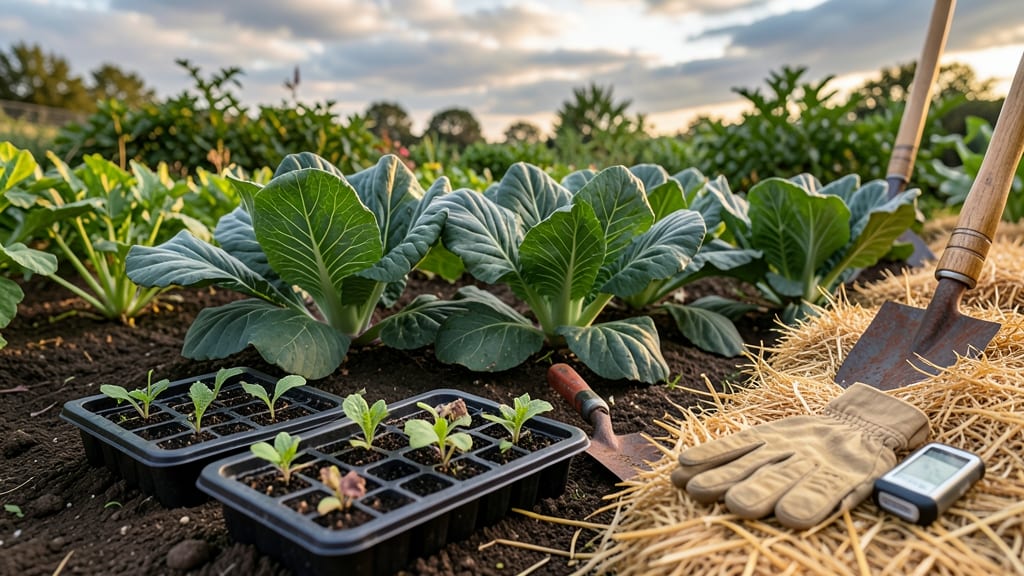
Louisiana’s fall planting timeline: heat-tolerant crops by month
Louisiana’s fall planting window starts earlier than most regions because of its long, humid summers. Unlike northern states, you can’t wait until September—some crops need to go in the ground as early as July to mature before frost.
The key is balancing heat tolerance with frost risk, which varies by parish but typically hits around December 1 in most of Louisiana.
To succeed, focus on heat-loving crops that can handle 90°F+ soil temperatures while still producing before the first chill.
Below is a month-by-month breakdown of what to plant, when, and why it works in Louisiana’s climate. Miss this window, and you’ll either scorch seedlings or lose crops to early frost.
🌱 Pro Tip: Use local frost date maps (like those from LSU AgCenter) to fine-tune your schedule—some areas like New Orleans get frost later than Shreveport.
| Month | Crops to Plant | Why It Works | Avoid Planting |
|---|---|---|---|
| July | Okra, Sweet Potatoes, Southern Peas, Eggplant | Soil temps still high; these thrive in heat and mature before frost. | Leafy greens, Lettuce, Spinach |
| August | Collards, Kale, Mustard Greens, Turnips, Beets | Heat tolerance + 60-70 days to maturity before frost. | Cucumbers, Zucchini, Tomatoes (unless using shade cloth) |
| September | Carrots, Radishes, Broccoli, Cabbage, Brussels Sprouts | Cooler nights; these handle mild heat and bolt-resistant varieties. | Pole Beans, Corn (unless using row covers) |
| October | Spinach, Lettuce, Arugula, Radishes, Green Onions | Frost-sensitive but fast-growing; plant 4-6 weeks before last frost. | Peppers, Tomatoes, Basil (unless overwintering) |
🌡️ Note: Soil temps below 60°F slow growth—wait until mid-October for cold-sensitive crops.
For okra and sweet potatoes, plant in July—they need 90+ days to mature. Collards and kale, planted in August, actually sweeten in cold weather, making them perfect for Louisiana’s fall harvests.
By September, shift to cool-season crops like broccoli and cabbage, which tolerate mild heat but bolt in extreme heat.
If you’re in Zone 8a (northern Louisiana), start 2 weeks earlier than Zone 9b (southern Louisiana). For example, plant spinach in early October in Shreveport but wait until mid-October in New Orleans. Microclimates matter—areas near water or with urban heat islands may stay warmer longer.
🌿 Key Insight: Louisiana’s humidity means fungal diseases like powdery mildew are a risk. Space plants for airflow and avoid overhead watering in late afternoon to prevent issues.
For transplants, buy heat-set seedlings from local nurseries in July-August. These are hardened for Louisiana’s heat and won’t shock like northern-grown plants. Direct-sow seeds for okra and southern peas—they germinate faster in warm soil.
📅 Remember: Louisiana’s first frost can hit as early as November 15 in rural areas or as late as December 15 in cities. Use row covers to push back frost by 2-3 weeks for leafy greens.
How to extend your fall garden season before Louisiana’s first frost
Louisiana’s first frost typically arrives around December 1, but don’t let that scare you off! With the right strategies, you can extend your fall garden by 4-6 weeks, ensuring a bountiful harvest.
The key is protecting your plants from sudden temperature drops while still allowing them to thrive in the warmth of late autumn. Start by choosing heat-tolerant varieties and using protective barriers to shield young plants.
One of the simplest ways to delay frost is by using row covers. These lightweight fabrics trap heat and create a microclimate that can raise soil temperatures by 5-10°F.
For extra protection, pair row covers with black plastic mulch, which warms the soil and speeds up germination for late plantings. This combo works especially well for leafy greens like kale and root vegetables such as carrots.
While row covers and mulch extend the season, they can also trap too much heat. Monitor temperatures daily—if soil temps exceed 90°F, remove covers during the day to prevent stress. Louisiana’s humidity can turn protective barriers into steam traps, promoting fungal diseases like powdery mildew. Always ensure proper airflow around plants.
Another effective method is companion planting. Pair frost-sensitive crops with hardy plants that act as living windbreaks. For example, plant bush beans near lettuce—the beans’ dense foliage shields lettuce from cold winds, while the lettuce’s shallow roots don’t compete for nutrients.
This natural barrier can add 10-14 extra days to your harvest window without extra equipment.
For container gardens, move pots to sheltered locations like porches or under eaves. Group containers close together to create a shared heat pocket, and use heat-absorbing materials like dark-colored pots or bricks wrapped in black plastic.
In my own garden, I’ve seen herbs like cilantro and peppers thrive for weeks longer when kept in clusters near the house.
Don’t forget about soil preparation. Amend your beds with compost or aged manure in late summer to improve drainage and warmth retention. Cool soils slow down plant growth, so aim for a 60-70°F soil temperature—ideal for most fall crops.
A soil thermometer is a small investment that pays off in faster, healthier growth.
Finally, stay ahead of the weather by checking the National Weather Service’s frost predictions for your specific Louisiana parish. If a hard freeze (28°F or below) is forecasted, cover plants with heavy blankets or frost cloth and secure them with bricks or stakes.
With these tactics, you can enjoy fresh greens, root veggies, and herbs well into November—sometimes even December! 🌿