
Plants
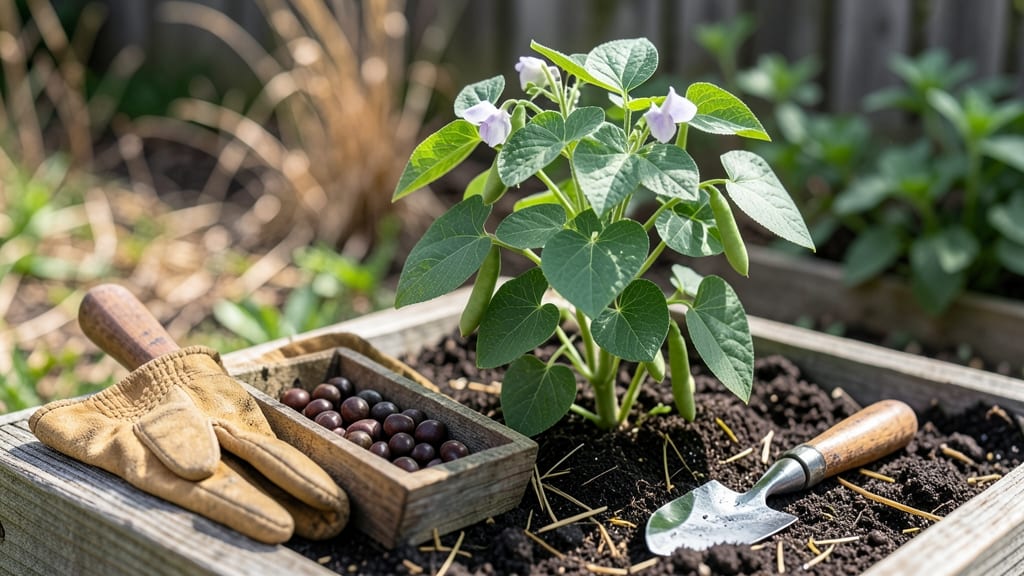
When to plant bush beans in Florida is the key to avoiding heat stress and bolting—so you get a sweet, steady harvest instead of a bitter surprise. The wrong timing means struggling with Florida’s intense summers or missing the ideal window for germination, but I’ve refined the perfect schedule for the state’s three distinct regions. With the right approach, you can stretch your growing season without risking failure. Florida’s frost-free zone gives you two prime planting opportunities: early spring and fall. But here’s the catch—soil temperature matters more than calendar dates. Plant too soon, and your beans will bolt before you even taste them; too late, and summer’s brutal heat will slow them down. I’ll break down the exact windows for northern, central, and southern Florida—plus how to extend your harvest season without sacrificing quality. No more guesswork, just a foolproof schedule tailored to your region’s microclimates. Ready to grow beans that thrive? Let’s dive into the heat-tolerant schedule that keeps your plants happy and your table full.
Optimal planting windows for bush beans in Florida’s climate zones
Florida’s unique climate—with its frost-free growing season and microclimates—means bush beans thrive in two distinct windows: early spring and fall. The key is avoiding soil temperatures above 85°F, which triggers bolting (premature flowering).
In North Florida (Zones 8a-8b), you’ll have slightly cooler conditions, while South Florida (Zones 10a-11) can push limits with heat-tolerant varieties.
For North Florida gardeners, the safest window is mid-February to early April, when daytime highs hover around 75–85°F. This gives plants time to mature before summer’s brutal heat sets in.
In Central Florida (Zones 9a-9b), shift planting to late January to March, while South Florida (Zones 10a-11) can start as early as December for a winter harvest, but must transition to fall planting by August to escape summer stress.
Here’s the critical rule: Plant bush beans when soil temps are 60–75°F and nighttime lows stay above 55°F. Use a soil thermometer to confirm—this tool is your best friend in Florida’s unpredictable heat.
For example, in Tallahassee (Zone 8a), aim for March 1–15, while Miami (Zone 11) can plant September–October for a winter crop.
Pro tip: Use shade cloth (30–50%) if planting in late spring to protect seedlings from intense afternoon sun. This buys you an extra 2–3 weeks of safe growth before bolting kicks in.
For example, in Orlando (Zone 9b), I’ve successfully extended the window by using shade cloth until mid-April, yielding pods well into June.
For fall planting, aim for August–September across all regions. This gives plants time to mature before first frost risk (though Florida’s frost-free zones mean this is rarely an issue south of Zone 9a).
In North Florida, a lightweight row cover can protect young plants from unexpected cold snaps in October.
One common mistake? Planting too late in fall and ending up with stunted growth due to shorter daylight hours. Bush beans need 12–14 hours of daylight for optimal growth—so if you’re planting in October, prioritize fast-maturing varieties like ‘Contender’ (55 days) or ‘Blue Lake’ (60 days).
Finally, succession planting is your secret weapon. In Florida’s long growing season, you can plant new seeds every 2–3 weeks from February to September, ensuring a continuous harvest. Just remember: stop by August in North Florida and September in South Florida to avoid summer’s worst heat.
🌱
Optimal planting windows for bush beans in Florida’s climate zones
Florida’s unique climate—with its frost-free growing season and intense summer heat—demands precise timing for bush beans. Unlike cooler climates, you’ll avoid premature bolting by planting during cooler months when soil temperatures stay below 85°F.
In North Florida (Zones 7b-8a), your window is narrower, while South Florida (Zones 10a-11) offers extended opportunities.
For North Florida, aim for late February to early April and again from August to early October. These periods align with soil temperatures between 60°F and 80°F, ideal for germination without heat stress.
In Central Florida (Zones 8b-9a), push your spring planting to mid-March to May and fall plantings to July to September.
In South Florida (Zones 10a-11), you can plant year-round with minimal risk, but focus on September to November and January to March for peak yields. The key is avoiding peak summer heat (June–August), when temperatures often exceed 90°F and trigger bolting within days.
| Region | Best Planting Windows | Soil Temp Threshold | Avoid |
|---|---|---|---|
| North Florida (Zones 7b-8a) | Late Feb–Early Apr, Aug–Early Oct | 60°F–80°F | May–July (heat stress) |
| Central Florida (Zones 8b-9a) | Mid-Mar–May, July–Sep | 65°F–85°F | June–August (bolting risk) |
| South Florida (Zones 10a-11) | Sep–Nov, Jan–Mar | 70°F–80°F | Apr–Jun (extreme heat) |
Use a soil thermometer to confirm readiness—ideal germination temps are 70°F–85°F. In North Florida, watch for last frost dates (mid-February) and plant 2 weeks after to avoid cold snaps. For South Florida, prioritize shade during midday heat if planting in summer.
Pro tip: Heat-tolerant varieties like ‘Contender’ or ‘Blue Lake Bush’ can handle up to 90°F better than standard types. Pair them with drip irrigation to maintain consistent moisture without overheating the soil.
Timing isn’t just about months—it’s about soil conditions. Amend your beds with compost to improve drainage and mulch heavily to keep roots cool. With these adjustments, you’ll maximize yields and minimize bolting across Florida’s diverse zones.