
Plants
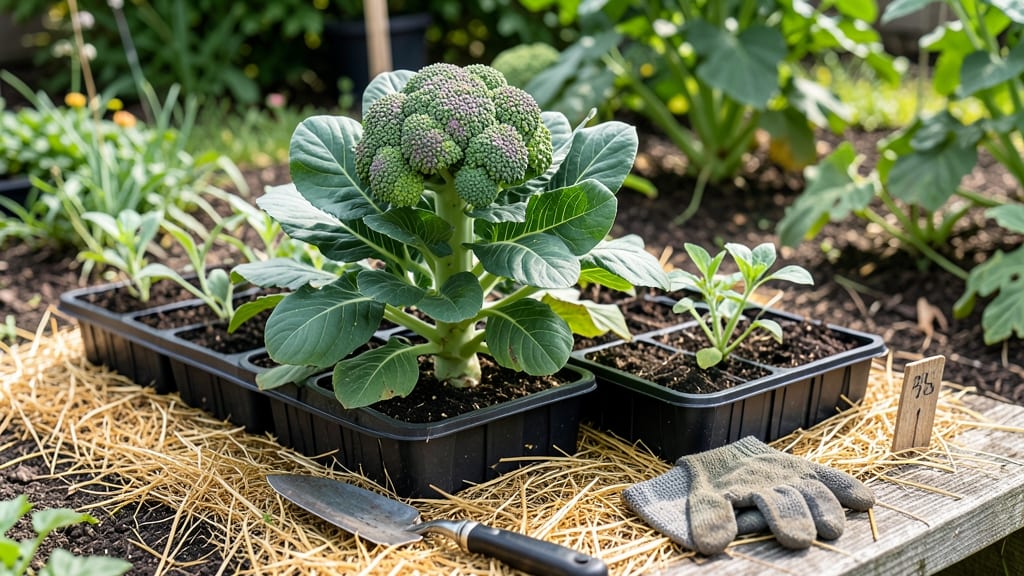
Timing your fall crops in Zone 7 isn't just about luck—it's about catching that sweet spot between scorching summer and early frost. 🌱 Get it wrong, and you're either waiting forever for seeds to sprout or watching your plants bolt before they mature.
Here's the thing: soil temperatures in Zone 7 can swing wildly from 85°F in August to near freezing by October. That means planting too early risks rot, while waiting too long cuts your harvest short.
The key is understanding those fast germination thresholds—like knowing carrots need 60°F–70°F soil to pop in 7–10 days.
I'll walk you through the exact 4–6 week window before your first frost (usually late July–early September) and how to adjust for your specific Zone 7 microclimate. Whether you're growing heat-loving bush beans or frost-tolerant kale, these soil-temperature secrets will give you the fastest, most reliable harvest.
Ready to stop guessing and start growing? Let's dive into the science—and the simple tools—you need to time your fall planting like a pro.
Zone 7 fall planting calendar: exact dates by crop type
Fall gardening in Zone 7 thrives when you align planting with soil temperatures and frost dates. The first frost typically arrives around October 15, so aim to plant 4-6 weeks before that window.
For most cool-season crops, this means late July to early September. Warm-season crops like bush beans and cucumbers should go in by mid-July to mature before cooler temps arrive.
Zone 7 spans subregions a and b, with a having slightly longer growing seasons. In 7a, you can push planting to early October for hardy greens like kale or spinach, while 7b may need to start earlier.
Always check your local frost dates—they can vary by 1-2 weeks even within the same zone.
Your planting schedule depends on crop type. Heat-loving crops (e.g., tomatoes, peppers) need July sowing, while cool-season stars like broccoli and carrots thrive when planted August–September. Below, I’ve mapped out the ideal windows for your most productive fall crops.
🌱
For Zone 7a, you can extend planting into early October for cold-hardy crops like kale or collards, which sweeten after frost. In 7b, start 2 weeks earlier to avoid rushed harvests. Succession planting every 2 weeks ensures a steady supply—try lettuce or radishes for quick turns.
Pro tip: Use row covers to buy 2–4 extra weeks of growing time for frost-sensitive crops. For example, spinach planted in early September with a cover can survive until November in most of Zone 7.
🌿
Spacing matters too. Leafy greens like spinach need 4–6 inches apart, while broccoli requires 18–24 inches to avoid competition. Check seed packets for mature plant size—crowding leads to pests and poor yields. For root crops like carrots, loosen soil to 12 inches deep to prevent forking.
After planting, mulch with straw or shredded leaves to retain soil moisture and moderate temperatures. This is especially critical in Zone 7b, where nights can drop quickly. Monitor soil moisture—overwatering causes rot, while drought stress stunts growth.
💧
Last-minute adjustments: If unexpected heat waves hit in September, prioritize shade-loving crops like Swiss chard or bok choy. For late plantings, opt for fast-maturing varieties (e.g., ‘Salad Bowl’ lettuce, ready in 30 days). Always have backup seeds on hand—Zone 7’s weather can be unpredictable!
Soil temperature thresholds for fast germination in fall crops
Understanding soil temperature thresholds is the secret to fast germination in Zone 7’s fall garden. Too cold, and your seeds rot; too hot, and they fail to sprout.
Most fall crops need soil temps between 50°F–85°F, but the ideal range varies wildly—lettuce thrives at 50°F–65°F, while cucumbers need 70°F–85°F to even think about germinating.
Here’s the catch: Zone 7’s soil cools rapidly after Labor Day. By late September, daytime temps may feel warm, but nighttime soil temps can drop below 60°F.
That’s why carrots planted in early September might take 3 weeks to sprout, while the same seeds in August pop in 7–10 days. The key is testing soil warmth before planting.
🌱
To test soil warmth without a thermometer, try the potato test: bury a raw potato in your garden bed for 24 hours. Dig it up—if it’s soft, soil temps are below 60°F; if it’s firm, it’s 65°F+.
This trick works surprisingly well for quick decisions when you’re in a rush.
If your soil is too cold for your chosen crop, try these tricks: Black plastic mulch raises soil temps by 5–10°F in just 24 hours, while warmth blankets (like old towels) can buy you 1–2 weeks of growing time.
For Zone 7b, where frosts arrive earlier, start seeds indoors in late July and transplant hardened-off seedlings in early August.
💡 Pro tip: Peas and radishes are your fastest bets for late plantings—they germinate at 40°F–50°F and mature in 30–45 days. Use them as test crops to gauge your soil’s readiness before investing in slower growers like broccoli or cauliflower.
Timing isn’t just about the calendar—it’s about soil science. When you master these thresholds, you’ll double your harvest by avoiding the two biggest mistakes: planting too early (rot) or too late (stunted growth).
Next, we’ll tackle how to adjust for Zone 7’s microclimates—because not all gardens in this zone behave the same!