
Trees
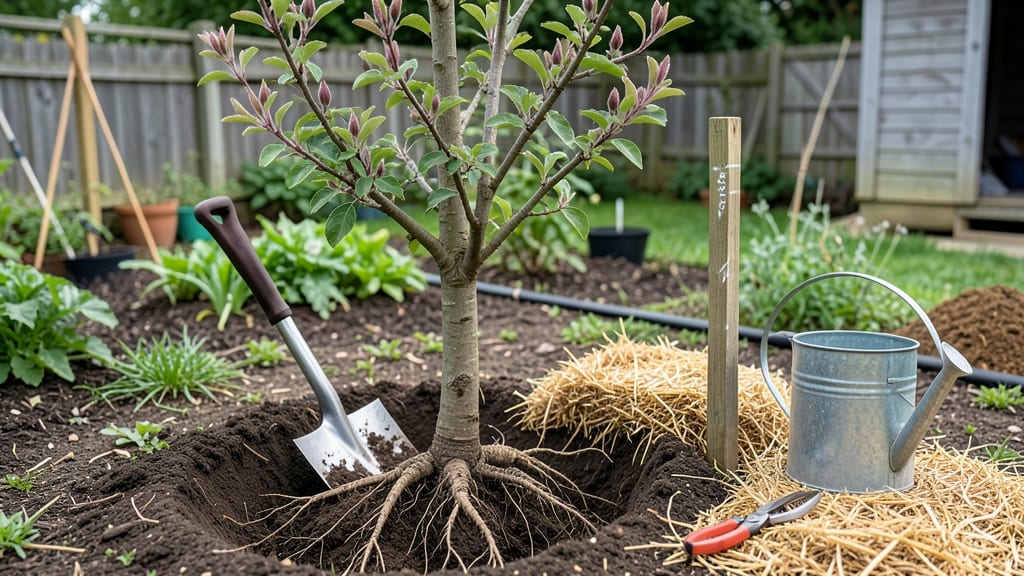
Planting fruit trees in Indiana at the wrong time could mean years of stunted growth—or worse, losing your investment before they even take root. The 5b-6b climate zones here demand precision, and getting the timing right is the difference between a thriving orchard and disappointment.
Most gardeners assume spring is the only window, but Indiana’s fall planting (September-October) often gives trees a head start on root growth before winter. I’ll break down why both seasons work—and which one suits your specific location better.
Whether you’re planting bare-root saplings or container-grown trees, understanding frost dates and soil conditions is critical. Let’s explore the best months for each variety, from apples to peaches, so you can set your fruit trees up for success from day one.
Ready to avoid common mistakes and maximize your orchard’s potential? The right timing starts here—no guesswork needed.
Best planting months for fruit trees in Indiana’s zones 5 and 6
Indiana’s USDA Zones 5b and 6b offer two prime windows for planting fruit trees: late fall (September-October) and early spring (March-April). These periods align with dormancy cycles, allowing roots to establish before extreme temperatures arrive.
For bare-root trees, late winter (February-March) is ideal, while container-grown trees can handle fall planting until November.
Fall planting gives roots 6-8 weeks to harden before winter, reducing transplant shock. Spring planting, however, avoids dormant season stress and lets trees grow through the first summer. Southern Indiana’s milder winters may extend fall planting to early November, while northern areas should finish by mid-October to avoid frost damage.
| Planting Window | Best For | Root Establishment | Indiana Regions |
|---|---|---|---|
| Late Fall (Sept-Oct) | Bare-root trees, container-grown | 6-8 weeks before frost | All zones (earlier in north) |
| Early Spring (March-April) | Bare-root, dormant planting | Before bud break | Zones 5b-6b (after last frost) |
| Late Winter (Feb) | Bare-root only | Soil workable, no thawing | Northern Indiana (soil thaw) |
Soil temperature plays a critical role—roots need 40-50°F soil to establish. Use a soil thermometer to confirm readiness. In northern Indiana, wait until mid-April for spring planting, while southern areas can start as early as late February for container-grown varieties.
For peach and cherry trees, avoid planting in late spring (May-June) as they’re prone to bacterial canker when stressed. Instead, prioritize fall planting for these varieties. Apple and pear trees, however, adapt better to spring planting and can handle late April starts in most of Indiana.
Mulching with 3-4 inches of wood chips after planting retains moisture and regulates soil temperature. Apply mulch within 6 inches of the trunk to prevent rot. Water deeply once a week for the first month post-planting, ensuring 15-20 gallons per tree reaches the root zone.
Indiana’s microclimates matter—urban areas may experience 2-3°F warmer temperatures than rural zones. Use this to your advantage by planting heat-sensitive varieties like Japanese plums in cooler microclimates (e.g., near lakes or north-facing slopes).
If you miss the ideal windows, container planting extends flexibility. Container-grown trees can be planted throughout the growing season, but avoid summer heatwaves (June-August) when transplant shock risks rise. Always water container trees daily during heatwaves to prevent root desiccation.
Local nurseries often stock dormant-season varieties in February-March, making late winter the best time to shop. For fall planting, visit in September to select from the freshest bare-root stock before inventory sells out.
Remember: Root growth slows below 40°F and accelerates above 70°F. Time your planting to maximize the 60-90 day window before extreme temperatures arrive—this is the sweet spot for Indiana fruit tree success. 🌱
How Indiana’s frost dates affect fruit tree planting success
Indiana’s frost dates are the most critical factor in determining when to plant fruit trees. Last frost typically arrives around April 15, while the first frost often hits by October 15.
Planting outside these windows risks exposing young trees to freezing temperatures or late-season heat stress, both of which can stunt growth or kill delicate roots.
In northern Indiana (Zone 5b), where winters are colder, I always aim to plant bare-root trees in late winter (March) or early fall (September). This gives roots time to establish before the ground freezes.
Southern Indiana (Zone 6b) offers a slightly longer window, allowing for October plantings with minimal frost risk.
🚨 CRITICAL WARNING: Planting too early (before soil temperatures rise above 40°F) can lead to root rot or damping-off disease. Conversely, planting too late (after bud break) stresses trees by forcing them to grow in unseasonably warm weather before winter dormancy.
⚠️ Frost Date Risks for Fruit Trees
Early Planting (Before Last Frost): Roots may not establish before freezing, leading to winterkill.
Late Planting (After Bud Break): Trees use energy to grow leaves instead of roots, weakening them for winter.
Fall Planting (After First Frost): Roots can’t absorb water, causing drought stress in dormant trees.
For container-grown trees, I extend the planting window slightly into November because their roots are less sensitive to cold.
However, I always mulch heavily (4–6 inches) to insulate roots during Indiana’s unpredictable winters. Microclimates also play a role—trees near lakes or rivers may tolerate later plantings due to moderated temperatures.
To minimize frost risks, I check the Indiana State Climate Office for 30-year averages and adjust my timeline accordingly. For example, if the last frost is April 1 in my area, I’ll plant bare-root trees in March and container-grown trees by April 15 to avoid stress.
Pro tip: Use frost cloth for newly planted trees in late fall if temperatures dip unexpectedly. This extra layer can protect young trees until the ground freezes solid. Timing is everything—get it right, and your fruit trees will reward you with decades of harvests! 🌳