
Trees
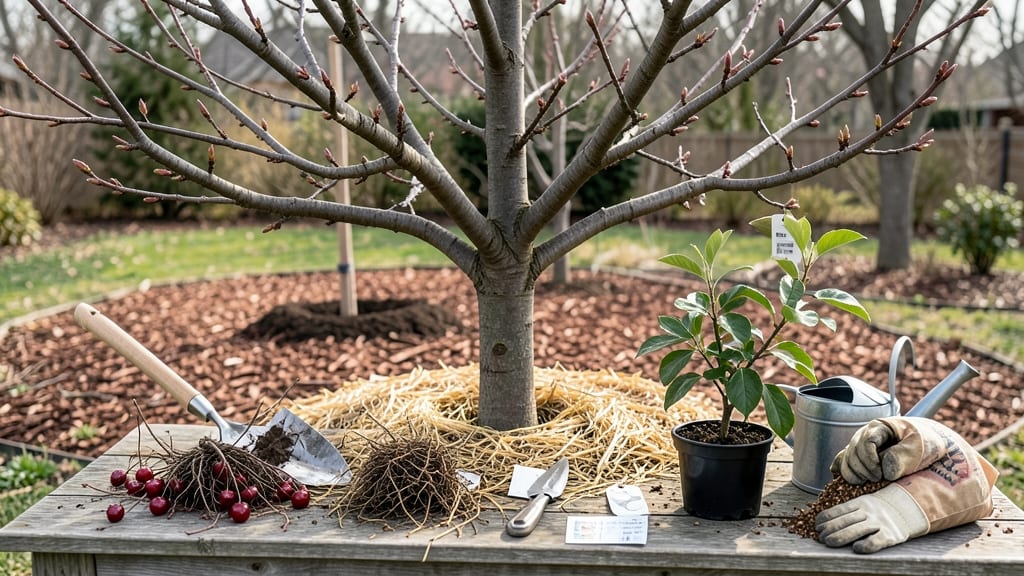
Timing your fruit tree planting in Washington can make or break your harvest—get it wrong, and you might be waiting years for that first crisp 🍎. The state’s diverse zones (6b-8b) and unpredictable weather mean a late winter to early spring window is your golden opportunity.
Most gardeners in Washington plant between February and April, but the exact timing depends on where you live. Western WA’s milder climate lets you start earlier, while Eastern WA’s colder zones need to wait until after the last frost—usually March 15-April 15.
Bare-root trees thrive when planted dormant, while container-grown varieties offer more flexibility. The key? Soil temperatures above 40°F and avoiding summer heat stress. Let’s break down the perfect schedule for your region.
From soil prep to frost dates, I’ll show you exactly how to time your planting for stronger roots and bigger yields. Ready to get growing?
Washington’s USDA Zones and best planting months for fruit trees
Washington’s diverse climate—from the cool, rainy Pacific Northwest to the drier, warmer Eastern regions—creates unique challenges for fruit tree planting. The state spans USDA Zones 5b through 8b, meaning timing varies dramatically between Western WA (Zones 7-8) and Eastern WA (Zones 5-6).
Planting at the wrong time can stunt growth or even kill young trees before they bear fruit.
For most fruit trees, the ideal planting window is late winter to early spring—typically February through April.
This aligns with the tree’s dormancy period, when roots can establish before the growing season begins. Apples and pears, common in WA, thrive when planted in early spring (March), while peaches and cherries prefer slightly later planting in late March to April.
Western Washington’s milder winters (Zones 7-8) allow for earlier planting (February), while Eastern WA’s colder winters (Zones 5-6) demand waiting until after the last frost (mid-April).
Always check your local last frost date—Western WA averages March 15-April 1, while Eastern WA can delay until April 15-30.
| USDA Zone | Best Planting Month | Last Frost Date | Top Varieties |
|---|---|---|---|
| 5b-6a (Eastern WA) | Late March - Early April | April 15-30 | Honeycrisp Apple, Lapins Cherry, Montmorency Tart Cherry |
| 6b-7a (Central WA) | Mid-March - Late April | March 20 - April 15 | Fuji Apple, Stella Pear, Rainier Cherry |
| 7b-8a (Western WA) | February - Early March | March 1-15 | Gala Apple, Bing Cherry, Golden Delicious Apple |
| 8b (Coastal WA) | January - February | February 15 - March 1 | Pacific Rose Apple, Van Cherry, Asian Pear |
Bare-root fruit trees—common in WA nurseries—should be planted immediately after purchase to avoid root desiccation. If you can’t plant right away, heeling-in (temporarily burying roots in moist soil) is critical.
Container-grown trees, however, offer more flexibility and can be planted up to 2-3 weeks before or after the ideal window.
Timing also depends on the fruit tree’s dormancy requirements. Stone fruits like peaches and plums need chill hours (300-900) to break dormancy, while apples and pears require 500-1,000 chill hours.
Eastern WA’s colder winters provide ample chill hours, while Western WA’s milder climate may need specialized low-chill varieties like Lapins cherry.
For container planting, extend your window slightly—you can plant 1-2 weeks earlier or later than bare-root trees since containers retain moisture better. However, avoid planting in summer heat (June-August), as young roots struggle to establish in high temperatures and drought conditions common in WA’s inland areas.
Pro tip: Soil temperature is just as critical as air temperature. Wait until the soil reaches 40°F (4°C)—use a soil thermometer to check. In Western WA, this often aligns with late February to early March, while Eastern WA may need to wait until mid-April.
If you miss the spring window, fall planting (September-October) is a secondary option—but only in Zones 7-8. Trees planted in fall need extra winter protection (mulch, burlap wraps) to survive WA’s occasional late-season frosts.
Avoid fall planting in Zones 5-6, where winters are too harsh for newly established roots.
Remember: Washington’s microclimates mean your neighbor’s perfect planting time might not suit your garden. Always monitor local weather forecasts and consult your county extension office for hyper-local advice.
With the right timing, your fruit trees will thrive—and you’ll be enjoying homegrown apples, cherries, and pears in just a few years! 🍎🌳
Critical factors that determine planting success in Washington’s climate
Washington’s diverse microclimates mean that even within the same USDA zone, your fruit tree’s success depends on local conditions like soil temperature and frost dates. For example, Eastern Washington’s Zone 6 can have earlier last frosts (mid-March) than Western WA’s Zone 8 (late April).
Always check your local frost chart—planting too early risks frost damage to tender roots.
Soil temperature is another critical factor. Fruit trees thrive when soil reaches 40–50°F—ideal for root growth. In colder zones like Spokane (Zone 6), wait until late March or early April when soil warms naturally.
Use a soil thermometer to confirm—planting in cold soil stunts root development and delays fruiting.
Rainfall patterns also play a role. Western Washington’s wet winters can delay planting until soil drains properly—wait for 2–3 dry days before digging. Meanwhile, Eastern WA’s drier climate allows earlier planting (February) as long as soil isn’t frozen.
Always amend clay-heavy soils with compost to improve drainage and sandy soils with organic matter to retain moisture.
Timing root establishment is key. Plant 2–3 weeks before your last frost date to let roots grow before winter dormancy. For bare-root trees, this means planting in late winter (February–March) when roots are still dormant but soil is workable.
Container-grown trees can handle early spring (March–April) planting, as their roots are already established.
Don’t overlook pollination needs. Many fruit trees (like apples and cherries) require cross-pollination. Plant two compatible varieties 20–40 feet apart and ensure they bloom simultaneously. Check chilling hour requirements—most WA varieties need 500–1,000 hours below 45°F annually.
Varieties like Honeycrisp apples thrive in Zone 6–7, while Lapins cherries prefer Zone 7–8.
Finally, mulch heavily after planting to protect roots from temperature swings. Use wood chips or straw (4–6 inches deep) and keep mulch 6 inches away from the trunk to prevent rot. This simple step can double your tree’s survival rate in WA’s variable climate.