
Trees
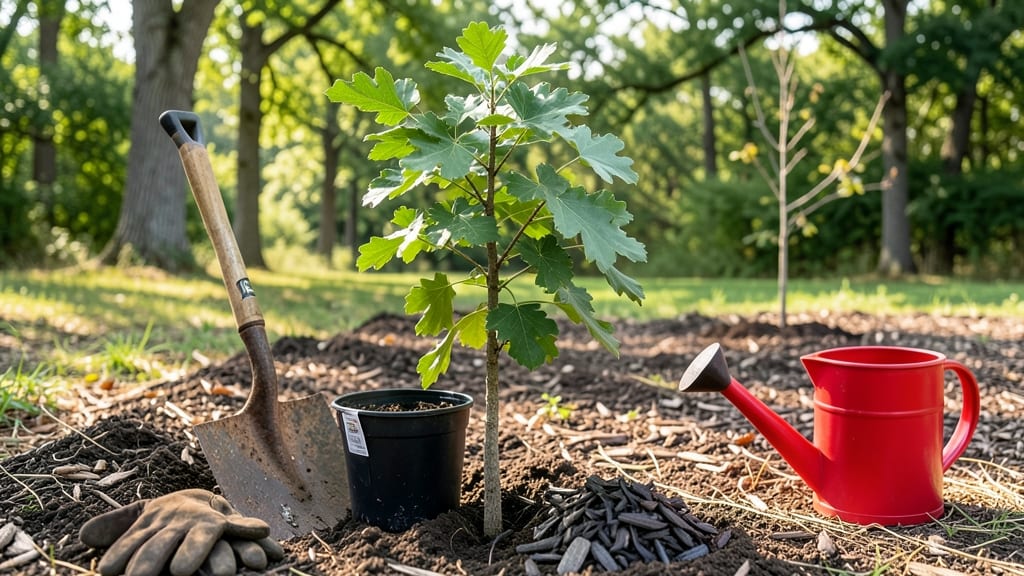
Timing your 🌳 tree planting in Indiana wrong could mean the difference between a flourishing landscape and years of disappointment. With the state's 5b-6b climate zones, getting the window right ensures your new tree establishes strong roots before winter's freeze.
Most gardeners know spring and fall are ideal, but did you know early April or late September offer the perfect balance? These months give young roots time to settle before harsh weather arrives, while avoiding the extreme heat of summer or late fall's early frosts.
I'll walk you through Indiana's frost-free zone planting calendar, including when to plant bare-root versus container-grown trees for maximum survival. You'll discover how soil temperature plays a crucial role and why some tree species thrive when planted in spring while others prefer fall.
Whether you're adding shade to your yard or restoring native forests, mastering these planting windows will give your trees the best possible start. Let's get your 🌳 tree off to the right beginning in Indiana's ever-changing climate.
Indiana’s frost-free zones: month-by-month planting timeline for tree success
Indiana spans USDA hardiness zones 5a–6b, meaning frost dates vary dramatically from north to south. In northern Indiana (zone 5a), the last frost typically hits around April 22, while southern Indiana (zone 6b) sees its final frost closer to April 5.
These differences create a 6-week window for ideal tree planting—so timing matters more than you might think!
For bare-root trees, the best planting window is between March 15 and April 15 in spring, when soil temperatures reach 45°F (7°C).
Fall planting works too, but must finish by October 15—any later risks frost damage before roots establish. Container-grown trees offer more flexibility, allowing planting year-round (except extreme heat/cold).
Here’s how Indiana’s frost-free zones break down by month for tree planting success:
| Month | Soil Temp Threshold | Ideal Planting Window | Tree Type | Frost Risk |
|---|---|---|---|---|
| March | 40–50°F (4–10°C) | Early March (southern IN) to mid-March (northern IN) | Bare-root, balled-and-burlapped | High (late frosts possible) |
| April | 50–60°F (10–15°C) | Best window for all tree types | Bare-root, container-grown | Moderate (declining) |
| May | 60–70°F (15–21°C) | Secondary window (container-grown only) | Container-grown | Low |
| September | td style="padding: 10px; border: 1px solid #7aa1a4;">55–65°F (13–18°C)Primary fall window (finish by Oct 15) | Bare-root, balled-and-burlapped | Moderate (early frosts possible) | |
| October | 45–55°F (7–13°C) | Last chance (northern IN only) | Bare-root (smaller species) | High (frost likely) |
Why does this timeline matter? Trees planted in early spring (March–April) benefit from 6–8 weeks of root growth before summer heat arrives.
Fall-planted trees (September–October) establish roots in cool soil, reducing transplant shock. Bare-root trees need moist soil to revive—plant them when ground isn’t frozen but before buds swell (usually late winter/early spring).
Indiana’s northern counties (e.g., Lake County) face earlier frosts than southern areas (e.g., Vanderburgh County), so adjust your schedule accordingly. For example, oaks and maples thrive when planted in early spring, while fruit trees like apple or cherry prefer fall planting to establish roots before dormancy.
Always check local frost dates—Purdue Extension’s Indiana Climate tool is a game-changer!
One critical mistake? Planting too late in fall (after October 15) leaves trees vulnerable to winter desiccation. Roots need time to harden off before freezing temperatures hit.
Similarly, spring planting after May risks heat stress—new roots struggle to establish in dry, hot soil. Always prioritize soil moisture over speed!
Pro tip: Use a soil thermometer to confirm 45°F (7°C) minimum for bare-root trees. For
Top 5 trees to plant in Indiana by season (and why timing matters)
Indiana’s climate offers the perfect window for planting trees, but not all species thrive when planted at the same time. Timing directly impacts root establishment—planting too early can expose young roots to freezing, while late planting risks stunted growth before winter.
I’ve narrowed down the top 5 trees for Indiana, each with ideal planting seasons tailored to our USDA zones 5b–6b.
For spring planting (March–April), prioritize fast-growing shade trees like green ash or sugar maple. These species take advantage of warmer soil temperatures to develop strong root systems before summer’s heat. Bare-root trees planted in early spring also recover faster than container-grown ones, giving them a head start.
In fall (September–October), drought-resistant trees like red oak or hackberry excel. Cooler temperatures reduce transplant shock, and trees focus energy on root growth rather than foliage. Evergreens like white pine also benefit from fall planting—they establish roots before winter dormancy sets in.
- 1. Sugar Maple (Spring) – Plant in March–April for vibrant fall foliage; thrives in moist, well-drained soil.
- 2. Red Oak (Fall) – Ideal for September–October planting; drought-tolerant with deep taproots for stability.
- 3. Green Ash (Spring/Fall) – Adaptable to urban conditions; plant in early spring or late fall for best survival.
- 4. White Pine (Fall) – Perfect for winter resilience; plant in September to avoid summer stress.
- 5. Hackberry (Spring) – Fast-growing with tolerant roots; plant in March–April for quick canopy coverage.
Pro tip: Container-grown trees can be planted year-round in Indiana, but avoid extreme heat (July–August) or deep freeze (December–February).
For example, a 3-gallon container tree planted in May may struggle in southern Indiana’s hot, dry spells, while the same tree planted in September has time to acclimate before winter.
Timing also affects root development speed.
A sugar maple planted in April can grow 3–5 feet in its first year, while one planted in November may only reach 1–2 feet due to shorter growing season. Prioritize species over timing—if you love oaks, fall is your best bet; if you need shade fast, spring maples win.
Remember: Soil temperature matters more than air temperature. Use a soil thermometer to confirm 50°F+ before planting—this ensures roots won’t freeze. In northern Indiana (zone 5b), wait until after April 15; in southern Indiana (zone 6b), March 15 is often safe.