
Flowers
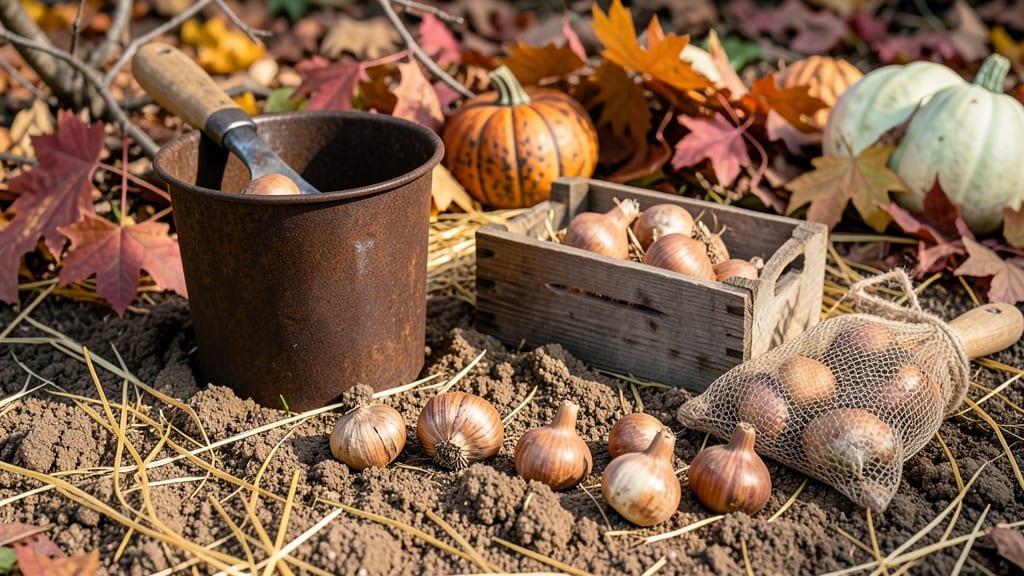
Planting flower bulbs 🌷 in autumn is your golden ticket to a burst of spring color—but get the timing wrong, and you might end up with nothing but dirt.
The key lies in understanding your region's frost dates and each bulb's unique chill-hour needs, which vary wildly from tulips (needing 10-15 weeks of cold) to daffodils (happy with just 6-8 weeks).
In Zone 6a, most gardeners aim for October through November, giving bulbs time to root before the ground freezes. But if your autumn is unusually warm or wet, you could push planting into early December—just make sure the soil stays workable.
The goal? Let those bulbs experience enough cold to trigger spring blooms without rotting in soggy soil.
Think you can plant anytime in fall? Not so fast. Bulbs like crocuses and snowdrops need to go in early, while hyacinths and alliums can wait until November.
I’ll break down the exact chill-hour requirements for 10+ popular varieties so you can match your planting schedule to your climate—and avoid the heartbreak of bare garden beds next spring.
Ready to turn your yard into a springtime showstopper? Let’s dive into the science behind autumn bulb planting, including soil prep tricks, frost-proofing tips, and how to adjust for early or late autumns. Your future self—and your neighbors—will thank you.
Autumn flower bulb planting calendar by chill-hour requirements
Autumn is the perfect time to plant flower bulbs, but not all varieties thrive with the same amount of winter chill. Understanding chill-hour requirements helps you choose the right bulbs for your climate and plant them at the optimal time.
For example, tulips need 120-160 chill hours, while daffodils only require 40-60 chill hours. Planting too early or late can result in weak or no blooms next spring.
Most gardeners aim to plant bulbs 4-6 weeks before the ground freezes, typically between mid-October and mid-November in USDA zones 5-7. In colder zones (3-4), you can start as early as late September, while warmer zones (8-10) may need to wait until November or even December.
Always check your local first frost date to avoid planting too late.
The key to success is matching bulbs to your climate’s chill hours. For instance, hyacinths and crocuses need 150-200 chill hours, making them ideal for northern gardens, while alliums and fritillaries thrive with 60-100 chill hours, perfect for milder winters.
Below, you’ll find a detailed comparison to help you plan.
🌱 Pro Tip: Use a soil thermometer to check if the ground has cooled to 60°F (15°C) before planting. This ensures bulbs won’t sprout too early and get damaged by frost.
| Bulb Type | Chill Hours Needed | Ideal Planting Window (USDA Zones 5-7) | Notes |
|---|---|---|---|
| Tulips | 120-160 | Mid-October to early November | Plant in full sun; avoid soggy soil. |
| Daffodils | 40-60 | Late October to December | Deer-resistant; plant 6 inches deep. |
| Hyacinths | 150-200 | Late September to October | Fragrant blooms; plant in clusters. |
| Crocuses | 100-150 | October to November | Early bloomers; great for pollinators. |
| Alliums | 60-100 | Late October to December | Drought-tolerant; plant in full sun. |
| Snowdrops | 0-40 |
How to adjust planting time for early vs. late autumn conditionsAutumn weather can be unpredictable, and planting flower bulbs too early or too late can spell disaster for your spring blooms. Frost-sensitive bulbs like crocuses need precise timing, while hardy varieties like snowdrops offer more flexibility. The key is understanding your local frost dates and soil conditions to adjust planting windows accordingly. If your autumn arrives early with unseasonably cool temperatures, don’t rush planting—wait until the soil cools to 50-60°F. Use a soil thermometer to check; planting in warm soil can trigger premature sprouting, which weakens bulbs before winter. Conversely, if frost looms sooner than expected, prioritize hardier bulbs like daffodils or alliums, which tolerate colder soil better. 🌱 Pro Tip: In regions with variable autumn weather, extend your planting window by using mulch (2-3 inches of straw or leaves) to insulate bulbs and regulate soil temperature.
1. Early Autumn (Warm Soil)
Wait until soil temps drop below 60°F. Plant hardy bulbs first (e.g., daffodils, snowdrops) to avoid frost damage.
2. Late Autumn (Cold Soil)
Plant frost-tolerant bulbs (e.g., crocuses, hyacinths) up to 2 weeks before first frost. Use a mulch blanket to protect emerging shoots.
3. Unpredictable Weather
Prioritize bulb depth (6-8 inches) and drainage to prevent rot. Cover beds with frost cloth if temperatures dip unexpectedly.
4. Emergency Planting
If frost arrives before planting, store bulbs in a cool, dark place (e.g., refrigerator crisper) until soil conditions improve. Replant as soon as possible.
For southern climates (USDA Zones 7-10), where winters are mild, plant bulbs in late fall (November-December) to avoid winter rains that can cause rot. In northern zones (3-6), aim for October, giving bulbs time to root before the ground freezes. Always check your local frost dates—a quick online search for your ZIP code will reveal the average first frost. For example, in Zone 5, plant by mid-October, while in Zone 8, you might extend planting until early December. Adjust based on your microclimate; shaded areas freeze faster than sunny spots. 🌿 Key Takeaway: Flexibility is your friend. Monitor soil temperature, prioritize hardy bulbs in early planting, and mulch generously to safeguard your investment for next spring’s showstopping blooms. |