
Plants
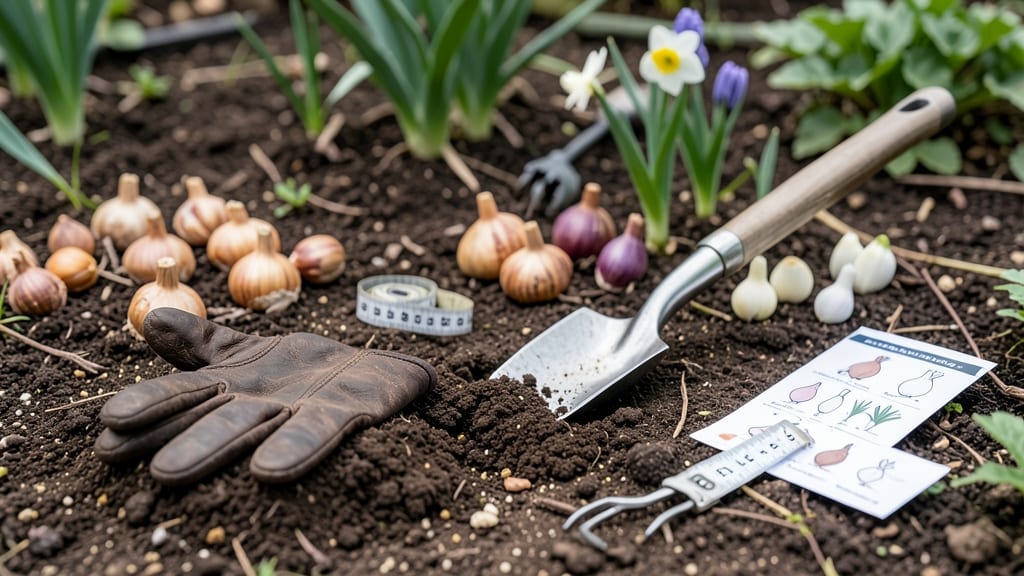
Timing your bulbs (General) 🌱 planting in Zone 6a could make or break your spring garden—get it wrong, and you might as well toss those bulbs in the compost. The secret lies in understanding exactly when to plant them, whether you're working with classic tulips or hardy daffodils.
Most gardeners know fall is the prime window, but did you know planting too early or too late can leave your bulbs vulnerable to rot or frost damage? I’ve learned the hard way that Zone 6a’s October 15 first frost date is the real deadline you can’t ignore.
Let me walk you through the exact months and conditions to ensure your bulbs thrive.
You’ll discover why October and November are your best bets for fall planting, plus how early spring varieties like gladiolus fit into the schedule.
We’ll also cover soil prep, depth tricks, and how to protect your investment from late frosts—so you can wake up to a burst of color next spring.
Ready to transform your yard into a showstopper? By the end of this guide, you’ll know exactly when to plant, what to watch for, and how to troubleshoot common mistakes. Let’s get those bulbs in the ground the right way!
Optimal bulb planting months in Zone 6a by type (fall vs spring)
In Zone 6a, timing is everything when planting bulbs. Most spring-blooming varieties—like tulips, daffodils, and hyacinths—need to be planted in fall to establish roots before winter. Meanwhile, gladiolus and dahlias prefer spring planting in Zone 6a. Let’s break down the exact windows to avoid frost-related failures.
Fall planting in Zone 6a starts 6-8 weeks before the first frost, which typically lands between mid-October and early November. This timing lets bulbs grow roots before the ground freezes.
Spring planting, on the other hand, should happen 4-6 weeks before your last frost date—usually March to early April in Zone 6a.
Soil temperature is your best guide: Aim for 60°F or cooler for fall planting. For spring bulbs, wait until the soil warms to 50°F and stays consistently above freezing. Skipping this step risks shallow roots or frost-damaged bulbs.
Here’s a quick comparison to help you plan:
| Bulb Type | Planting Window (Zone 6a) | Key Soil Temp Trigger | Bloom Time |
|---|---|---|---|
| Tulips | Mid-October to early November | 60°F or cooler | April–May |
| Daffodils | Late October to mid-November | 60°F or cooler | April–June |
| Hyacinths | Mid-October to early November | 60°F or cooler | April–May |
| Gladiolus | Early April to mid-May | 50°F+ (soil) | July–September |
| Dahlias | Late March to early April | 50°F+ (soil) | July–Frost |
For fall-planted bulbs, the goal is to get them in the ground before the first frost—typically by October 15 in Zone 6a. If you miss this window, wait until early spring (March) to plant, though blooms may be delayed or smaller.
Pro tip: Use a soil thermometer to confirm temperatures align with your planting plans.
Spring-planted bulbs like dahlias need extra care in Zone 6a. Plant them after the last frost (around April 15) and protect them with mulch if late frosts linger.
These bulbs are tender and won’t survive winter outdoors, so dig them up after frost or plant them in containers for easy winter storage.
Don’t overlook naturalizing bulbs like alliums or fritillaries, which thrive in Zone 6a’s climate. These can be planted in fall or early spring and left undisturbed for years. Their deep roots help them withstand Zone 6a’s cold winters and hot summers with ease.
Remember: Soil drainage is non-negotiable in Zone 6a. Heavy clay soils can drown bulbs, so amend with compost or sand if needed. A quick test—dig a hole, fill it with water, and time how long it drains. If it takes longer than 2 hours, improve drainage before planting.
Finally, mark your calendar for Zone 6a’s last frost date (April 15) and first frost date (October 15). These deadlines are your planting anchors. Stick to them, and you’ll enjoy vibrant blooms year after year—no wasted effort! 🌱
Optimal bulb planting months in Zone 6a by type (fall vs spring)
Zone 6a gardeners have a 6-8 week window to plant most bulbs before the October 15 first frost, but timing varies dramatically by type. Fall-planted bulbs like tulips, daffodils, and hyacinths need to establish roots before winter, while gladiolus and dahlias prefer spring planting.
The key is matching bulb types to your local frost dates and soil temperatures.
For fall planting, aim for October through early November when soil temps drop to 60°F or below. This gives bulbs time to root before the ground freezes.
Spring-planted bulbs like crocus and snowdrops can go in as early as late February, but wait until soil is workable to avoid compacting.
Here’s the exact breakdown for Zone 6a bulbs by planting season:
| Bulb Type | Best Planting Month | Soil Temp Trigger | Frost Deadline |
|---|---|---|---|
| Tulips | October - November | Below 60°F | October 15 |
| Daffodils | October - November | Below 55°F | October 20 |
| Hyacinths | October - November | Below 50°F | October 25 |
| Gladiolus | March - April | Above 50°F | April 15 |
| Dahlias | March - April | Above 55°F | April 10 |
I’ve found that tulips and daffodils planted in late October consistently produce the most robust blooms, while hyacinths need the extra week to establish roots before hard frost. For spring-planted bulbs, March is ideal—waiting until April risks late frosts damaging tender shoots.
Pro tip: Use a soil thermometer to confirm temps before planting. If soil is still above 60°F in October, hold off until it cools—warm soil can cause bulbs to sprout too early and rot.
In my garden, I mark the October 15 frost date on my calendar and plant bulbs 6 weeks before that deadline.
Don’t forget that Zone 6a’s last frost date (April 15) is your spring planting cutoff for tender bulbs like cannas and caladiums. These need to stay in the ground until temps stay above 50°F at night—otherwise, they’ll freeze back to the ground.