
Planting
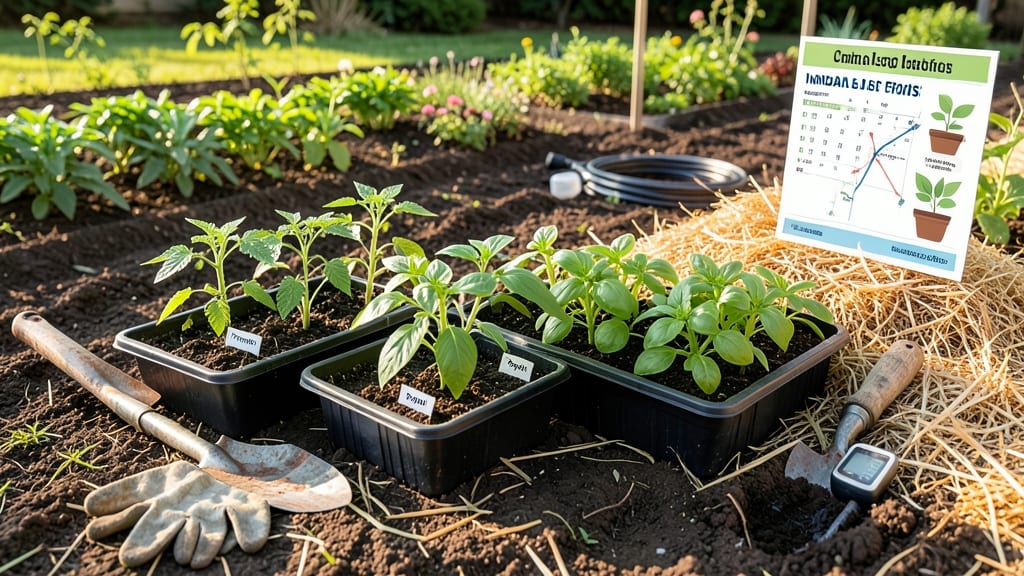
Timing when to plant a garden in Indiana isn’t just about luck—it’s about mastering the Zone 5B/6A deadlines that separate thriving harvests from frost-bitten failures.
With last frosts creeping in as late as mid-May and first frosts arriving by October, getting the schedule wrong can mean the difference between a bounty of tomatoes and a sad, wilted mess.
I’ve spent years watching Indiana’s spring weather shift from icy to ideal, and the key to success isn’t guessing—it’s knowing when to plant your 🌱 garden for maximum growth.
Whether you’re sowing cool-loving greens in April or waiting for soil to warm before tomatoes hit the dirt, the right timing turns your backyard into a productive powerhouse.
Let’s break down the exact windows for planting everything from peas to perennials, so you can avoid the 3 most common mistakes Indiana gardeners make.
You’ll learn how to adjust for microclimates, use frost dates like a pro, and even stretch your growing season into fall without risking your hard work.
Ready to turn your Indiana garden into a year-round success? The secrets start with planting at the perfect moment—and I’ll show you exactly when that is.
Indiana’s last frost dates: zone 5B vs 6A planting windows explained
Indiana’s Zone 5B/6A climate creates a tight window for planting—miss it, and you risk frost damage or stunted growth. The average last frost date ranges from April 15 in southern Indiana (Zone 6A) to May 15 in northern regions (Zone 5B). But these dates are just averages—your microclimate matters more!
For example, Lake Michigan areas often experience later frosts due to lake-effect cooling, while urban heat islands in cities like Indianapolis can warm soil faster. Always check your local Almanac frost dates or use a frost calculator like the Midwestern Regional Climate Center’s tool for precision.
Here’s the critical rule: Wait until soil temperatures hit 50°F (10°C) for cool-season crops and 60°F (15°C) for warm-season plants. A soil thermometer is your best friend—planting too soon in cold soil can rot seeds.
| Zone | Avg Last Frost | Safe Planting Window | Key Adjustments |
|---|---|---|---|
| Zone 5B (Northern IN) | May 1–15 | After May 15 (wait for soil warmth) | Use row covers for early starts |
| Zone 6A (Southern IN) | April 15–30 | After April 30 (test soil temp) | Plant heat-lovers earlier in raised beds |
| Microclimates (Urban/Rural) | Varies (check local data) | Adjust ±7–10 days | Observe neighbors’ gardens |
Pro tip: Hardened seedlings (like tomatoes or peppers) can handle light frosts if planted in black plastic mulch, which warms soil by 5–10°F. But even then, avoid planting until two weeks after your average last frost date.
For cool-season crops like lettuce or peas, you can start 4–6 weeks before the last frost—even in Zone 5B. These plants thrive in 40–50°F soil and can tolerate light frosts. Use seed starting trays indoors if your spring is extra chilly.
Don’t forget fall planting! Indiana’s first frost typically arrives between October 15 (Zone 6A) and November 1 (Zone 5B). Broccoli, kale, and spinach love cool fall weather and can be sown 6–8 weeks before your first frost for a second harvest.
Local resources like the Purdue Extension or Indiana State Climate Office offer hyperlocal frost maps. Bookmark their sites—Indiana’s weather can shift 24 hours before forecasts predict! Always have a backup plan like row covers or a cold frame for late surprises.
Remember: Soil warmth > calendar dates. A 50°F soil on April 1 is safer than 45°F soil on May 1. Test with a soil thermometer—your plants will thank you with faster, healthier growth.
🌱
Best vegetables & flowers to plant by Indiana’s 3 critical phases
Indiana’s Zone 5B/6A climate creates three distinct planting phases: early spring, late spring/early summer, and fall. Each phase demands different crops to thrive. Cool-season veggies like spinach and peas love Indiana’s March-April soil, while tomatoes and peppers wait for May-June warmth.
For flowers, marigolds and zinnias are frost-tolerant champions—plant them as early as April 15 in Zone 6A. Herbs like basil and cilantro need to wait until soil hits 60°F (around May 1), while rosemary thrives in Indiana’s hot summers but must be started indoors.
🌱 Pro Tip: Use Indiana’s frost-free days (average 180 days) to plan succession plantings. Example: Sow lettuce every 2 weeks from April to July for continuous harvests.
| 🌱 Phase | 🌿 Best Crops | 📅 Planting Window | 🌡️ Soil Temp |
|---|---|---|---|
| Early Spring | Peas, Spinach, Kale, Pansies, Snapdragons | March 15–April 15 | 40–50°F |
| Late Spring/Early Summer | Tomatoes, Peppers, Basil, Zinnias, Marigolds | May 1–June 1 | 60°F+ |
| Fall | Broccoli, Carrots, Radishes, Chrysanthemums, Asters | August 15–September 15 | 50–60°F |
Indiana’s warm-season crops (like squash and beans) need consistent 70°F+ soil—wait until May 15 in Zone 5B or May 1 in Zone 6A. Transplant shock is real: Harden off seedlings for 7–10 days before moving them outdoors to avoid wilting.
For perennials, divide daylilies and irises in early spring (April) or early fall (September) when Indiana’s soil is cool but workable. Bulbs like tulips should be planted in October for spring blooms—don’t wait until November!
🌿 Warning: Indiana’s late spring frosts (even in May) can devastate tender plants. Use frost cloth for tomato and pepper starts until danger passes. Check the Indiana State Climate Office for local frost alerts—their data is more precise than generic zone guides.