
Flowers
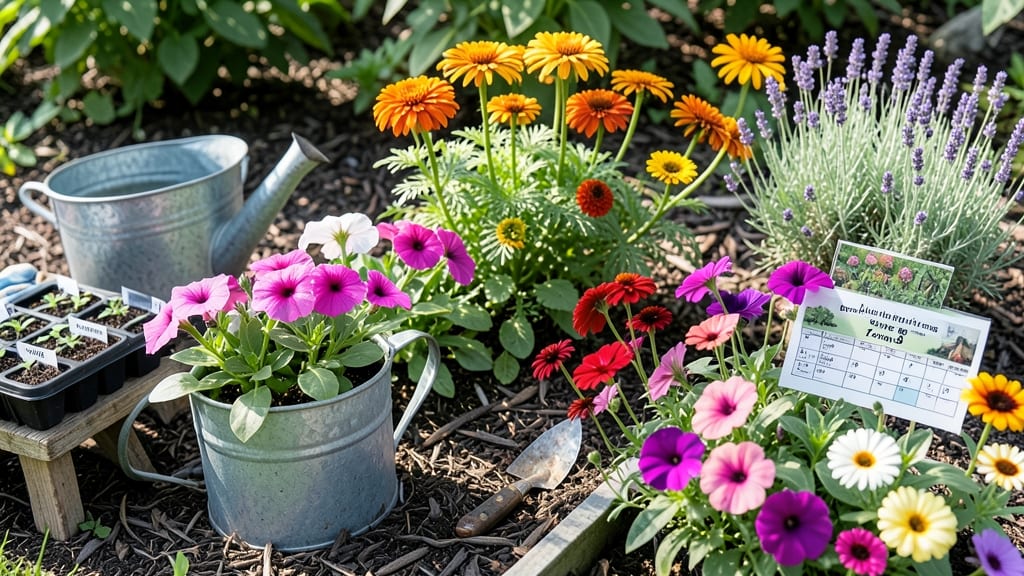
If you’ve ever planted Flowers in Zone 8 only to watch them struggle through unpredictable frost or wilt under summer heat, you’re not alone. The key to vibrant blooms lies in timing—plant too early, and frost zaps your progress; too late, and roots can’t establish before the heat hits.
Zone 8’s 8a-8b climate offers two prime windows: fall (September–October) and spring (February–April), but not all flowers thrive in the same season. Annuals like zinnias love summer’s warmth, while perennials like lavender need cooler months to root deeply before summer’s intensity.
I’ll break down the best months to plant by variety—whether you’re sowing seeds, transplanting seedlings, or tucking in bulbs—so you can avoid common pitfalls and enjoy continuous color from spring through fall.
Ready to transform your garden? Let’s dive into the precise planting schedule that’ll keep your 🌸 Flowers flourishing all season long.
Zone 8 flower planting calendar: month-by-month breakdown by frost sensitivity
In Zone 8, where winters are mild but frost can still sneak in, timing your flower plantings is like hitting a moving target. The key is understanding your last frost date (typically mid-February) and first frost date (around mid-November).
Cool-season flowers thrive when planted 6-8 weeks before last frost, while heat-lovers need to go in after soil warms—usually by late March.
Zone 8 stretches from Southern California to Georgia, so microclimates matter. Coastal areas stay warmer longer, while inland spots may see earlier frosts. Always check your local frost dates—they can shift by 2-4 weeks depending on elevation and proximity to water.
For most of Zone 8, September through November is prime for fall planting, while February through April works for spring.
Here’s your month-by-month cheat sheet for planting flowers in Zone 8, broken down by frost sensitivity. This table covers annuals, perennials, and bulbs so you can plan for year-round color.
Zone 8 Flower Planting Timeline
| Month | Cool-Season Flowers | Transitional Flowers | Heat-Loving Flowers | Notes |
|---|---|---|---|---|
| August | Pansies, Sweet Alyssum, Calendula | Cosmos, Zinnias (late) | Marigolds, Portulaca | Start cool-season seeds; heat-lovers thrive. |
| September | Snapdragons, Stock, Dianthus | Asters, Black-Eyed Susans | Sunflowers, Celosia | Ideal for fall blooms; soil still warm. |
| October | Sweet Peas, Larkspur, Violas | Chrysanthemums, Dahlia | None (too cool) | Last chance for cool-season plants. |
| November | Pansies (hardy), Calendula | None (frost risk) | None | Only frost-tolerant annuals survive. |
| February | Sweet Alyssum, Stock, Snapdragons | None (too cold) | None | Start cool-season seeds indoors. |
| March | Pansies (late), Calendula | Zinnias, Marigolds | Petunias, Geraniums | Soil warms; transitional flowers go in. |
| April | None (too hot) | Cosmos, Sunflowers | Zinnias, Portulaca | Peak heat-loving planting time. |
| Season | Top Flowers | Sunlight Needs | Drought Tolerance | Companion Plants |
|---|---|---|---|---|
| Spring (March–May) | Pansies, Snapdragons, Sweet Alyssum, Calendula, Tulips | Partial shade to full sun | Moderate (needs consistent moisture) | Lettuce, Radishes, Spinach |
| Summer (June–August) | Zinnias, Marigolds, Petunias, Sunflowers, Cosmos | Full sun (6+ hours) | High (many are drought-tolerant) | Basil, Cucumbers, Nasturtiums |
| Fall (September–November) | Asters, Chrysanthemums, Dahlia, Sweet Peas, Pansies (hardy) | Full sun to partial shade | Moderate (water deeply) | Kale, Broccoli, Carrots |
| Winter (December–February) | Sweet Alyssum, Calendula, Stock, Violas, Pansies (frost-hardy) | Full sun to partial shade | Low (protect from wind) | Spinach, Arugula, Radishes |
For summer blooms (June–August), prioritize heat-loving annuals like zinnias and marigolds, which thrive in full sun and dry conditions. These varieties also attract pollinators, boosting your garden’s biodiversity.
Pair them with drought-tolerant perennials like lavender or salvia to reduce watering needs during Zone 8’s peak heat (often exceeding 90°F).
In fall, focus on late-season bloomers like asters and chrysanthemums, which handle cooler temps and even light frosts. These flowers also store energy underground, making them ideal for fall planting (September–October). Add companion plants like kale to create a low-maintenance, edible landscape that keeps producing until winter.
Even in winter, Zone 8 gardeners can enjoy color with frost-tolerant annuals like sweet alyssum and calendula. These varieties bloom in cool weather and repel pests, making them perfect for winter gardens.
Pair them with cool-season veggies like spinach to extend your harvest while keeping your garden vibrant.
Pro tip: Use succession planting to overlap seasons—sow fast-growing annuals like radishes between slower perennials to keep your garden bursting with color year-round.