
Plants
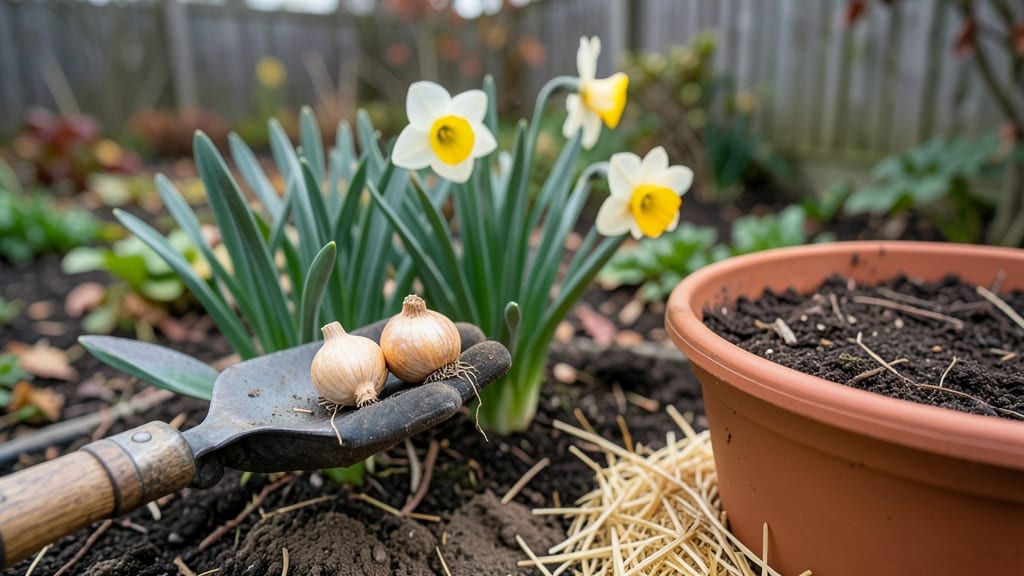
Planting daffodils in Zone 9b isn’t just about timing—it’s about outsmarting the desert heat and ensuring those cheerful 🌼 blooms make their spring debut. Unlike cooler climates, Zone 9b’s warm winters mean traditional fall planting rules don’t always apply, and getting it wrong can leave your bulbs struggling or even failing to bloom.
I’ve tested the best approaches in Phoenix and Southern California deserts, and the key is planting when soil temps hit that sweet spot—50–60°F—without waiting too late. That usually lands in October or November, but microclimates can shift those windows.
The goal? Give your bulbs enough time to root before summer’s relentless sun kicks in.
What you’ll discover here are the exact months that work for your area, plus pro tips to adjust for early rains, late heatwaves, or rocky soil. We’ll also cover the 3 most common mistakes that zap daffodil success—so you can skip the guesswork and plant with confidence.
Ready to transform your fall garden into a springtime showstopper? Let’s dive into the science-backed schedule that’ll have your 🌼 thriving year after year.
Optimal planting months for daffodils in Zone 9b climate
Zone 9b’s warm winters and hot summers create a tricky timeline for planting daffodils. Unlike cooler zones, you won’t rely on frost cues—soil temperature and seasonal patterns become your guide.
The ideal window is October through November, when daytime highs drop to 75–85°F and nights cool to 50–60°F. This mimics the chilling period daffodils need to bloom, without exposing bulbs to summer’s heat stress.
Think of it like scheduling a spring bloom in reverse: plant bulbs when your garden’s soil cools naturally. In Phoenix or coastal Southern California, this often means late October—just as monsoon rains taper off.
For inland desert areas, aim for early November to avoid residual summer heat lingering in the soil.
Here’s the science: daffodils require 6–8 weeks of chilling (40–50°F soil temps) to trigger flowering. In Zone 9b, this happens organically during fall’s cooler nights. Plant too early (August–September), and bulbs may sprout prematurely, only to wilt in summer heat.
Wait too late (December), and blooms arrive late or skip entirely.
Pro tip: Use a soil thermometer to confirm temps are consistently below 70°F at planting depth (6 inches). This is your green light to dig in bulbs.
| Planting Stage | Zone 9b Timeline | Soil Temp | Key Action |
|---|---|---|---|
| Prep Soil | Late August–September | 75–85°F | Add compost; loosen soil to 12" |
| Plant Bulbs | October–November | 50–60°F | 6–8 weeks before spring blooms |
| Watering | October–December | Cool & moist | Deep water weekly until roots establish |
| Bloom Time | March–May | Warming | Enjoy! Cut spent blooms to encourage reblooming |
For gardeners in cooler microclimates (like higher elevations in Zone 9b), you might start as early as September. In hotter lowlands (e.g., Palm Springs), push planting to mid-November to avoid residual summer heat. Always check your local USDA Plant Hardiness Zone Map for precise adjustments.
One common misconception is that Zone 9b’s lack of frost means daffodils can be planted anytime. Wrong! Without proper chilling, bulbs won’t flower—or they’ll produce weak stems that flop in summer winds. Think of it like pre-cooking pasta: you need the right conditions before the final dish (blooms) appears.
To extend your planting window, try shade cloth over freshly planted beds if late-October temps stay above 75°F. This mimics cooler conditions and prevents premature sprouting. Just remove it once nighttime temps drop below 65°F.
Remember: daffodils in Zone 9b are perennials, not annuals. Plant correctly now, and you’ll enjoy years of low-maintenance blooms with minimal effort. That’s the beauty of bulbs—they store energy underground and reward patience with vibrant spring color.
Next, we’ll tackle adjusting for early vs. late seasons—because even within Zone 9b, your microclimate can shift planting by weeks. Stay tuned for soil-chilling hacks and mulching secrets!
Optimal planting months for daffodils in Zone 9b climate
Zone 9b’s warm winters and hot summers make daffodil planting timing critical for success. Unlike colder zones, you don’t need to rush before frost—your goal is to plant when soil temps drop to 50–60°F (10–15°C) to avoid heat stress.
This typically falls in late fall, but exact timing varies by microclimate.
In most of Zone 9b (e.g., Phoenix, Southern California), October through November is ideal. This window lets bulbs establish roots before summer heat returns. For cooler inland areas, you might extend planting into early December, while coastal regions can start as early as late September.
🌼 Pro Tip: Use a soil thermometer to confirm temps before planting—daffodils need 6–8 weeks of cooler weather to root properly before active growth resumes in spring.
🌱 Daffodil Planting Timeline for Zone 9b
| Stage | Action | Key Notes |
|---|---|---|
| Late Summer (Aug–Sep) | Prep soil | Add compost; ensure well-draining soil (daffodils hate soggy roots). |
| October–November | Plant bulbs | 6–8 weeks before spring growth; aim for 50–60°F soil. |
| December–February | Mulch lightly | 2–3 inches of mulch to retain moisture and regulate temps. |
| March–April | Reduce watering | Let foliage yellow naturally—don’t cut back until it dies. |
If you miss the October–November window, don’t panic—you can plant as late as January in Zone 9b, though blooms may arrive later. The key is ensuring bulbs get consistent moisture until roots establish (typically 4–6 weeks).
One common mistake in Zone 9b is planting too early (e.g., September), which can cause bulbs to sprout prematurely and get fried by summer heat. Always prioritize soil temperature over calendar months.
For container gardening, follow the same timing but use well-draining potting mix and larger pots (at least 8 inches deep) to prevent overheating. Place containers in partial shade during peak summer afternoons.
🌿 Remember: Daffodils in Zone 9b thrive when given 6+ hours of sunlight but appreciate afternoon shade in extreme heat. Pair them with drought-tolerant companions like lavender or succulents to reduce water needs.