
Plants
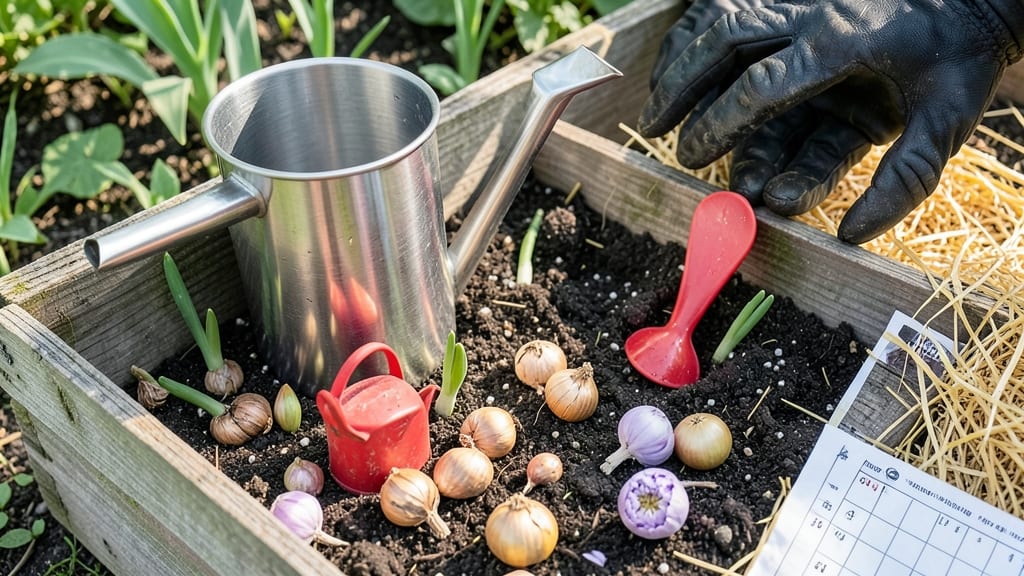
Timing your bulbs (General) 🌱 planting in Zone 8a wrong could mean the difference between a showstopping spring garden and a sad, frost-killed disappointment.
Most gardeners assume "fall" means anytime between September and November—but in your climate, that broad window hides a critical 6-week sweet spot where bulbs establish roots before winter sets in.
Here’s the secret: Plant your Bulbs (General) 🌱 6-8 weeks before your first frost—typically between mid-October and mid-November in Zone 8a. This gives them time to grow strong roots while avoiding the ground freezing solid, which can trap moisture and rot your bulbs before they even bloom.
But there’s more to it than just dates—soil temperature, bulb types, and even your yard’s microclimate play a role.
Let’s break down the exact steps to nail your planting schedule, from choosing the right bulbs for your zone to adjusting for late bloomers like dahlias. You’ll also discover how to protect your investment if you miss the fall window—because yes, there is a spring backup plan.
Ready to turn your garden into a springtime explosion of color without the guesswork?
The best part? With these timing secrets, you’ll avoid the most common mistakes that leave bulbs struggling—or worse, dead in the ground. Whether you’re a first-time planter or a seasoned gardener, this is your roadmap to zero frost risk and maximum blooms next spring.
Optimal fall planting dates for Zone 8a bulbs (with frost risk timeline)
In Zone 8a, where average first frost arrives between October 15 and November 15, timing your bulb planting is all about beating the cold. Planting too early means bulbs may sprout before winter, while waiting too long risks frozen soil that prevents proper root growth.
The ideal window is 6-8 weeks before ground freeze, typically mid-October to early November.
Your local climate plays a huge role—coastal areas with milder winters (like San Diego) can plant bulbs as late as December, while inland regions (like Las Vegas) should aim for early October to avoid early freezes. Check your last frost date and plan accordingly.
Soil temperature is your best guide: bulbs need 60°F soil to establish roots. Use a soil thermometer to confirm—if temps drop below 50°F, it’s time to plant. In Zone 8a, this usually aligns with late October for most areas.
Here’s the critical timeline for Zone 8a bulb planting, broken down by region and bulb type:
For spring-blooming bulbs like tulips and daffodils, aim to plant by November 1st in most of Zone 8a. These bulbs need 6-8 weeks of cool soil to develop roots before dormancy.
If you miss the fall window, early spring planting (February–March) is an option, though blooms may be delayed.
Pro tip: Use mulch (2–3 inches of straw or shredded leaves) after planting to insulate soil and protect bulbs from temperature swings. This extends your planting window by 1–2 weeks in marginal areas.
If you’re unsure about your local frost date, err on the earlier side. Bulbs planted too late can still thrive if soil stays above 40°F, but early planting gives roots the best chance to establish before winter sets in.
For summer-blooming bulbs (like dahlias or gladiolas), timing shifts to early spring (February–March) in Zone 8a. These need warmer soil (60°F+) to sprout, so wait until frost risk has passed.
Remember: Zone 8a’s mild winters mean you can often plant later than northern zones, but don’t push your luck—frost kills sprouts, not just mature bulbs. Aim for 60°F soil and you’ll set your bulbs up for vibrant spring blooms.
How to adjust planting time for late-flowering vs early-blooming bulbs
Not all bulbs follow the same planting rules in Zone 8a. Early bloomers like daffodils and crocuses thrive when planted in late fall, while late-flowering varieties such as tulips and hyacinths need a slightly earlier start.
Understanding these differences ensures your garden bursts with color at the right time.
The key is aligning your planting schedule with soil temperature and frost risk. For early bloomers, wait until mid-to-late November when soil temps drop below 60°F but before hard frosts hit. Late bloomers, however, should go in the ground 6-8 weeks earlier, typically by late October.
Here’s how to adjust timing for different bulb types in Zone 8a:
- Early Bloomers (e.g., Daffodils, Snowdrops)
These bulbs need cold stratification to bloom early. Plant them after the first frost but before soil freezes solid.
- Mid-Season Bloomers (e.g., Tulips, Hyacinths)
These need 6-8 weeks of cool soil before winter. Plant them earlier to avoid frost heave and ensure strong roots.
- Late Bloomers (e.g., Alliums, Fritillaries)
These bulbs benefit from longer root establishment. Plant them early to handle Zone 8a’s mild winters and avoid spring crowding.
- Summer-Blooming Bulbs (e.g., Dahlias, Canas)
These tender bulbs need warm soil to sprout. Use mulch or row covers in early spring to protect from late frosts.
For summer-blooming bulbs like dahlias, extend your planting season by using black plastic mulch or straw bales to warm the soil. This trick helps you plant 2-3 weeks earlier in Zone 8a, giving them a head start.
Pro tip: Mark your calendar with local frost dates—Zone 8a’s first frost often arrives between mid-December and January. Adjust your schedule based on microclimates (e.g., coastal areas stay warmer longer).
By tailoring your planting time to bulb types, you’ll create a sequential bloom that keeps your garden stunning from early spring to summer. 🌷