
Plants
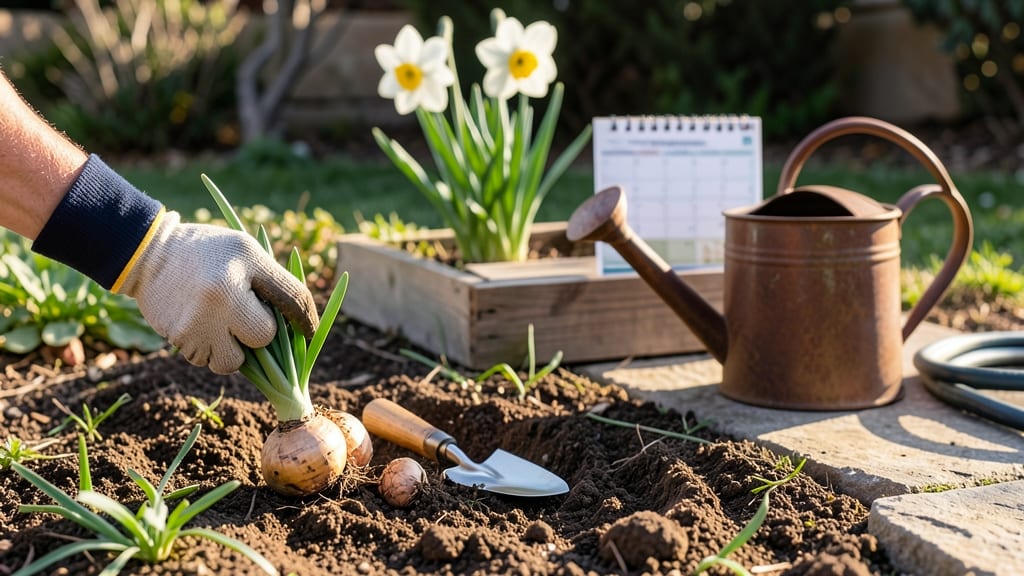
Timing your daffodil bulb planting in Southern California isn't just about the calendar—it's about understanding your microclimate.
Whether you're in coastal Los Angeles or the inland desert near Palm Springs, getting those bulbs in the ground at the right moment makes all the difference between a vibrant spring display and wasted effort.
Most gardeners assume October through December works universally, but that's where they go wrong. Coastal areas with milder winters can start as early as late September, while inland zones should wait until November to avoid summer heat stress.
The key is planting 6-8 weeks before winter rains begin—your bulbs need time to establish roots before the big show begins.
Here's the game-changer: soil temperature matters more than frost risk in our frost-free zones. Aim for 60-65°F soil temps when you plant, and adjust your timing based on whether your area gets early rains or prolonged dry spells.
I'll show you exactly how to read these clues and avoid common mistakes that sabotage even the most eager gardeners.
Ready to transform your garden into a daffodil paradise? Let's break down the perfect planting windows for your specific zone, plus pro tips to handle Southern California's unpredictable fall weather. Your spring blooms will thank you!
Southern California daffodil planting deadlines by microclimate zone
Southern California’s diverse microclimates—from coastal chill to desert heat—mean one-size-fits-all planting advice won’t work. Coastal areas like San Diego and Santa Barbara have milder winters, while inland cities like Los Angeles and Riverside experience warmer falls.
Desert regions near Palm Springs demand even earlier planting. Let’s break down the ideal planting windows for each zone to ensure your daffodils bloom like clockwork.
Daffodil bulbs thrive when planted 6-8 weeks before winter rains begin, allowing roots to establish before dormancy. In Southern California, this typically translates to October through December, but your exact timing depends on your local climate.
Coastal areas can plant slightly later, while inland and desert zones need to start earlier to avoid summer heat stress.
Soil temperature is your best indicator for planting time. Daffodil bulbs prefer soil temps between 50°F and 60°F (10°C-15°C). Use a soil thermometer to check—if temps drop below 50°F (10°C), it’s time to plant.
In coastal zones, this often happens in late October or November, while inland areas may reach it as early as mid-October.
Here’s how the planting deadlines break down by microclimate:
| Zone | Ideal Planting Window | Soil Temp Threshold | Key Consideration |
|---|---|---|---|
| Coastal (San Diego, Santa Barbara) | Late October - Early December | 50°F - 60°F (10°C - 15°C) | Milder winters; plant closer to December for best results. |
| Inland (Los Angeles, Riverside) | Mid-October - Early November | 50°F - 60°F (10°C - 15°C) | Warmer falls; aim for October to avoid summer heat. |
| Desert (Palm Springs, Joshua Tree) | Late September - Mid-October | 55°F - 65°F (13°C - 18°C) | Extreme heat; plant early to establish roots before summer. |
If you’re in Los Angeles or San Diego, aim to plant by November 1st to give bulbs time to root before winter rains.
Inland areas like Riverside or Temecula should finish planting by October 31st, while desert gardeners in Palm Springs must plant by October 15th to avoid summer heat stress. Missing these deadlines can delay blooming or even prevent flowers from emerging entirely.
Rainfall also plays a critical role. In coastal zones, winter rains help establish roots, but inland areas may need supplemental watering to keep soil moist. If your region experiences early rains, plant bulbs as soon as soil is workable—even if it’s slightly early.
Conversely, if drought persists, use a soaker hose to keep the planting area consistently moist until roots establish.
Pro tip: Test your soil’s drainage before planting. Daffodils hate soggy soil, which can cause bulb rot. Amend heavy clay with compost or sand to improve drainage. In desert areas, consider planting in raised beds to prevent water pooling.
Once planted, mulch with 2-3 inches of straw or wood chips to retain moisture and regulate soil temperature. This is especially important in desert zones, where temperature swings can stress new bulbs. Mulch also suppresses weeds, reducing competition for nutrients.
Finally, mark your planting spots with biodegradable flags or a garden journal to track progress. Daffodils take 6-8 weeks to establish roots, so patience is key. By next spring, you’ll be rewarded with vibrant blooms that brighten up Southern California’s landscapes.
🌼
How to adjust planting for Southern California’s unpredictable fall weather
Southern California’s fall weather is famously unpredictable—one week could bring unseasonable heatwaves, and the next, sudden early rains. These swings can throw off your daffodil planting timeline if you’re not prepared.
The key is flexibility: knowing how to adjust your planting strategy based on real-time conditions can save your bulbs from stress or failure. Let’s tackle the most common weather challenges and how to handle them like a pro.
First, if your area experiences early autumn rains (common in coastal zones like Malibu or Santa Barbara), don’t wait for your "ideal" planting window.
Soil that’s already moist can speed up root establishment, so plant as soon as the ground is workable—even if it’s September or early October. The goal is to get those bulbs in the ground before the soil dries out again.
Use a soil moisture meter to check if the top 6 inches are damp; if they are, it’s time to plant.
Here’s my go-to adjustment strategy for variable fall weather:
- Heatwaves after planting can dry out soil too quickly, causing bulbs to shrivel before roots form.
- Sudden cold snaps (rare but possible in inland areas) can shock newly planted bulbs.
- Prolonged drought means bulbs won’t get the moisture they need to establish roots.
For inland areas like Riverside or Temecula, where falls can be deceptively warm, prioritize planting in October—even if it means beating the crowds. Use shade cloth to protect newly planted bulbs from scorching afternoon sun until roots are established.
In desert zones like Palm Springs, where summer heat lingers, plant bulbs in late September and mulch heavily with 4-6 inches of straw to insulate them from temperature swings.
If you’re planting in drought-prone areas, consider using a drip irrigation system on a timer to deliver consistent moisture. Daffodil bulbs need deep, infrequent watering—about 1 inch per week—but they’ll rot if left soggy.
A soaker hose or drip tape placed near (not on) the bulbs ensures even hydration without waterlogging. Never water at night; this reduces fungal risks and prevents soil-borne diseases that can kill young roots.
Another trick I swear by? Pre-soaking bulbs before planting in dry conditions. Soak them in lukewarm water for 1-2 hours to jumpstart hydration. This is especially helpful in desert climates where soil can be bone-dry.
Pair this with a rooting hormone (like Mycorrhizal fungi) to boost early root growth. Just be sure to plant pre-soaked bulbs within 24 hours to avoid dehydration.
Finally, keep a garden journal to track your local weather patterns. Note when the first winter rains arrive, how long heatwaves last, and how your soil behaves. Over time, you’ll spot trends—like whether your area gets early rains in October or if November heatwaves are the norm.
Use this data to fine-tune your planting schedule year after year. With these adjustments, your daffodils will thrive no matter what Southern California throws at them.
🌱