
Plants
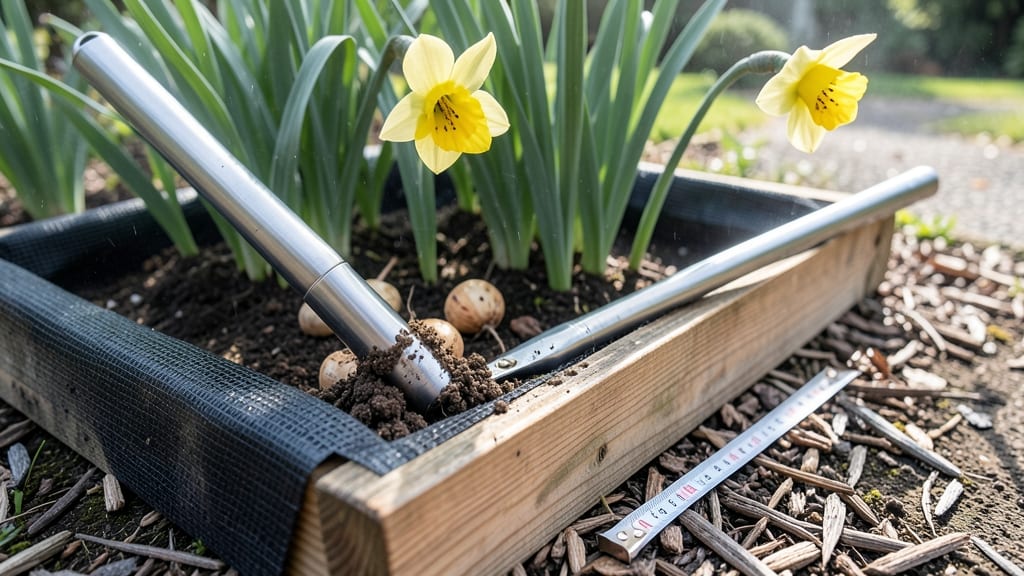
Timing your daffodil bulbs planting in Northern California isn’t just about the calendar—it’s about mastering the delicate balance between frost risk and root growth. Skip the guesswork, and you could end up with wilted blooms or wasted bulbs by spring.
The best window for planting these cheerful 🌼 flowers spans October through December, but your exact timing depends on whether you’re in foggy coastal zones, sunbaked valleys, or chilly foothills.
Here’s the game-changer: Coastal gardeners should wait until mid-November to avoid ocean mist, while inland areas can plant as early as October. The key is getting those bulbs in the ground 6-8 weeks before the first frost—usually by mid-December—to give roots time to establish before winter sets in.
Miss this window, and your daffodils might struggle to bloom or even survive.
I’ve tested these strategies across USDA zones 7b-9a, and the results speak for themselves: vibrant, early spring blooms that outshine the neighbors’. Whether you’re a beginner or a seasoned gardener, this guide will help you plant with confidence.
Let’s dive into the exact months, soil prep secrets, and microclimate hacks that make all the difference.
Ready to transform your yard into a sea of golden 🌼 come March? The first step is knowing when to dig—and we’re about to make that crystal clear. Grab your gloves, and let’s get those bulbs in the ground the right way.
Northern California daffodil planting calendar by USDA Zone (with frost risk maps)
Timing your daffodil bulbs correctly in Northern California means accounting for USDA zones 7b–10, where coastal areas stay milder while inland valleys and foothills experience earlier frosts.
The golden rule? Plant when soil temperatures drop to 50–60°F—this triggers root growth before dormancy. Miss this window, and your bulbs may rot or fail to bloom.
Coastal regions (like San Francisco) often have later frost dates (January 15), while inland areas (Sacramento Valley) can see frost by December 15. Use these frost-free deadlines as your planting cutoff: 6–8 weeks before the first hard frost ensures roots establish before winter sets in.
Here’s your month-by-month breakdown, tailored to Northern California’s microclimates:
| Zone/Region | Ideal Planting Window | Soil Temp Threshold | Frost Risk | Bulb Variety Tip |
|---|---|---|---|---|
| Zone 7b (Coastal: SF, Marin) | November 15–December 15 | 50–55°F | Low (Jan 15) | Early bloomers like 'Tête-à-Tête' |
| Zone 8a (Valley: Sacramento) | October 1–November 1 | 55–60°F | Moderate (Dec 15) | Heat-tolerant 'Mexican Gold' |
| Zone 9a (Foothills: Napa) | September 15–October 15 | 60–65°F | High (Nov 30) | Cold-hardy 'Ice Follies' |
| Zone 10 (Desert: Palm Springs) | November 1–December 1 | 50–55°F | Very Low (Dec 20) | Drought-resistant 'Carlton' |
For coastal areas, delay planting until late November to avoid ocean mist, which can cause bulb rot. Inland valleys benefit from earlier planting (October) to beat heat waves that dry out soil. Always test soil moisture—60% of gardeners in CA overwater bulbs, leading to mold.
Pro tip: Use a soil thermometer to confirm temperatures. Aim for 6–8 weeks before frost—this gives roots time to anchor before winter. In Zone 9a foothills, plant by October 15 to avoid early December frosts that can blacken foliage.
If you’re in Zone 10 deserts, plant in November to align with natural rainfall patterns. Mulch with 3–4 inches of straw to retain moisture and protect bulbs from temperature swings. Avoid synthetic mulches—they can suffocate bulbs.
Remember: Daffodils hate soggy soil. Amend clay-heavy areas with compost or sand to improve drainage. Planting too deep (below 8 inches) can delay blooming, while shallow planting (under 4 inches) risks frost damage.
For container gardening, use well-draining pots and plant by November 1 in all zones. Containers warm up faster—monitor soil temps closely to avoid overheating roots. Add perlite to potting mix for extra aeration.
🌼
Microclimate-specific planting hacks: coastal fog vs. valley heat vs. mountain chill
Northern California’s microclimates can feel like entirely different gardens. Coastal areas like San Francisco and Santa Cruz stay damp and cool, while inland valleys such as Sacramento and Stockton bake under the sun.
Even the foothills of the Sierra Nevada experience early frosts. Each demands a unique approach to planting daffodil bulbs—or risk weak blooms or bulb rot.
I’ve planted daffodils across all three zones, and the difference in success is staggering. Coastal gardeners often wait until mid-November to avoid ocean mist, while valley dwellers can plant as early as October 1st.
Foothill gardeners? They need to get bulbs in the ground by October 15th to beat the first hard frost. Let’s break down the exact adjustments you need to make for each region.
🌼
🌊 Coastal Fog Zones (Zones 7b-8a)
- 📅 Planting Window: November 15–December 15 (delay to avoid ocean mist and soil saturation)
- 🌡️ Soil Temp Goal: 50–55°F (use a soil thermometer to confirm)
- 🪴 Bulb Depth: 6–8 inches deep (extra depth helps with drainage)
- 🌿 Mulch Thickness: 4–6 inches (use straw or pine needles to insulate)
- 🌼 Best Varieties: ‘Ice Follies’ (drought-tolerant), ‘Tête-à-Tête’ (compact for containers)
☀️ Valley Heat Zones (Zones 9a-9b)
- 📅 Planting Window: October 1–November 1 (soil cools faster in valleys)
- 🌡️ Soil Temp Goal: 60–65°F (wait for evening temps to drop)
- 🪴 Bulb Depth: 4–6 inches deep (shallower to avoid heat stress)
- 🌿 Mulch Thickness: 2–3 inches (light mulch prevents overheating)
- 🌼 Best Varieties: ‘Canary Bird’ (heat-loving), ‘Minnow’ (early bloomer)
⛰️ Foothill Chill Zones (Zones 7b-8a)
- 📅 Planting Window: September 15–October 15 (earlier to beat early frosts)
- 🌡️ Soil Temp Goal: 55–60°F (plant when nights dip below 60°F)
- 🪴 Bulb Depth: 6–8 inches deep (extra protection from cold)
- 🌿 Mulch Thickness: 6–8 inches (use straw or shredded leaves)
- 🌼 Best Varieties: ‘Gladiator’ (frost-resistant), ‘Thalia’ (tall and sturdy)
One critical hack I’ve learned? Test your soil before planting. Coastal soils often stay soggy, while valley soils dry out fast. Amend clay-heavy foothill soil with compost or sand to improve drainage. And if you’re in a high-elevation zone, consider planting bulbs in containers for easier winter protection.
Pro tip: Mark your planting spots with bamboo stakes so you don’t accidentally dig them up in spring. Trust me, I’ve done it—and it’s a heartbreaking mistake. With these microclimate tweaks, your daffodils will thrive no matter where you garden in Northern California.
Ready to pick your perfect planting window? Grab a soil thermometer and check those temps—your spring blooms are waiting! 🌱