
Plants
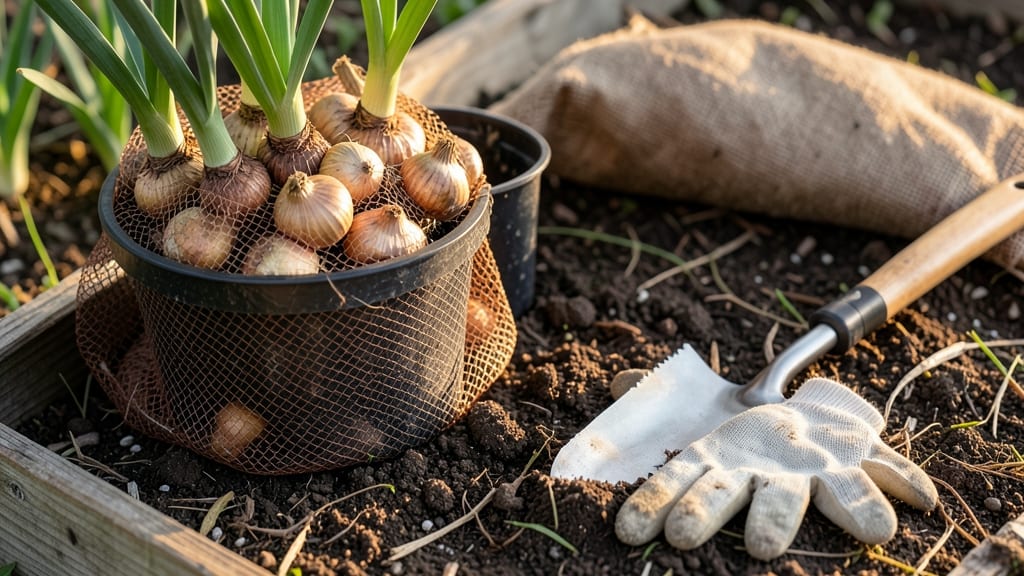
Planting daffodils in California at the wrong time could mean watching your 🌼 bulbs freeze before they even bloom—or worse, rot in soggy winter soil.
The key to success lies in understanding your exact USDA zone, because what works in frost-free coastal areas like San Diego won't cut it in inland valleys where temperatures can dip below freezing.
Most gardeners assume fall planting is one-size-fits-all, but California's microclimates demand precision. Whether you're in Zone 7 where first frost arrives by November or Zone 10 where winter stays mild, timing your daffodils 6-8 weeks before ground freeze makes all the difference between vibrant spring blooms and disappointed gardeners.
I've seen firsthand how a simple miscalculation can turn a promising garden into a winter casualty. The solution? Planting in October or November for most regions, with January still an option in coastal areas—but never after the ground hardens.
Let me show you exactly how to match your location to the perfect planting window.
You'll also discover which daffodil varieties thrive in your specific climate, from early bloomers that beat frost to heat-tolerant types for Southern California's dry spells. Ready to transform your garden into a springtime explosion of color? Let's get those bulbs in the ground the right way.
California daffodil planting calendar by USDA zones (8-11)
California’s diverse climates mean your daffodil planting window depends heavily on USDA Zone and microclimate. Coastal areas like San Francisco (Zone 10) have zero frost risk, while inland valleys like Sacramento (Zone 7) face occasional winter chills.
The key is planting 6-8 weeks before the first frost—or anytime in mild zones.
For Zone 7 (inland valleys), aim for October to early November to avoid late-season frosts that can damage emerging shoots.
In Zone 8 (Central Coast), extend your window to November-December, as frosts are rare but possible. Zone 9-10 (coastal and desert) gardeners can plant as late as January—even February in frost-free areas.
Here’s your zone-specific planting calendar, including frost risk and ideal soil temperatures for bulb establishment:
| USDA Zone | Best Planting Months | Frost Risk | Soil Temp (°F) | Planting Depth |
|---|---|---|---|---|
| 7 (Inland Valleys) | October–November | High (Nov–Jan) | 50–60°F | 6–8 inches |
| 8 (Central Coast) | November–December | Moderate (Dec–Jan) | 55–65°F | 5–7 inches |
| 9 (Southern California) | December–January | Low (rare) | 60–70°F | 4–6 inches |
| 10 (Coastal) | January–February | None | 65–75°F | 3–5 inches |
Pro tip: Use a soil thermometer to confirm temperatures. Bulbs need 40–50°F soil for root growth but won’t survive below 32°F. In Zone 7, cover bulbs with straw mulch if early frosts hit.
Spacing matters too! Plant bulbs 3–6 inches apart (closer for dwarf varieties) and 6–8 inches deep (shallower in sandy soil). This prevents crowding and ensures vibrant blooms next spring. In coastal zones, shallower planting (3–5 inches) works due to milder winters.
Remember: Late planting in cold zones risks frost damage, while early planting in warm zones can cause bulbs to sprout too soon. Aim for that sweet spot where roots establish but shoots don’t emerge until spring.
For container gardening, plant bulbs in well-draining pots with cactus/succulent mix. Use the same depth rules but reduce spacing to 2–3 inches between bulbs. Containers warm up faster, so plant 1–2 months later than in-ground.
After planting, water deeply to settle soil around bulbs, then reduce watering until shoots appear in spring. Overwatering now can rot bulbs before they establish roots.
How to choose the perfect planting month for your California location
California’s diverse microclimates mean San Francisco’s mild winters differ drastically from Death Valley’s extreme heat.
To pick the ideal planting window, start by identifying your USDA zone—most of California falls between Zone 7 and 10, but coastal areas stay frost-free year-round while inland zones face occasional winter chills.
For Zone 9-10 (coastal), like Los Angeles or San Diego, plant daffodil bulbs from October through January. These areas rarely see frost, so you can extend planting into early winter for spring blooms.
In contrast, Zone 7-8 (inland), such as Sacramento or Fresno, should plant by mid-November to avoid late-winter frosts that can damage emerging shoots.
Soil temperature is your best guide: aim to plant when soil cools to 50-60°F. Use a soil thermometer to check—if temps drop below 40°F, bulbs risk frost damage. In desert regions (Zone 10+), like Palm Springs, plant in November to escape summer heat stress while still allowing roots to establish before winter rains.
Adjust for elevation changes: mountain areas like Lake Tahoe (Zone 6) need bulbs in the ground by October 15, while lowland valleys (Zone 9) can wait until December. Always plant 6-8 weeks before your area’s first expected frost—check local Almanac frost charts for precise dates.
For container gardening, timing shifts slightly: plant 4-6 weeks earlier than in-ground bulbs since pots warm faster. Use well-draining containers with sand or perlite to mimic California’s fast-draining soils. Place pots in partial shade during summer to prevent bulb overheating.
Pro tip: Mark your calendar for February 1—this is your last call for planting in most of California. After this date, bulbs may not establish roots before summer drought sets in. Pair planting with mulching (2-3 inches of straw) to retain moisture and protect bulbs from temperature swings.