
Plants
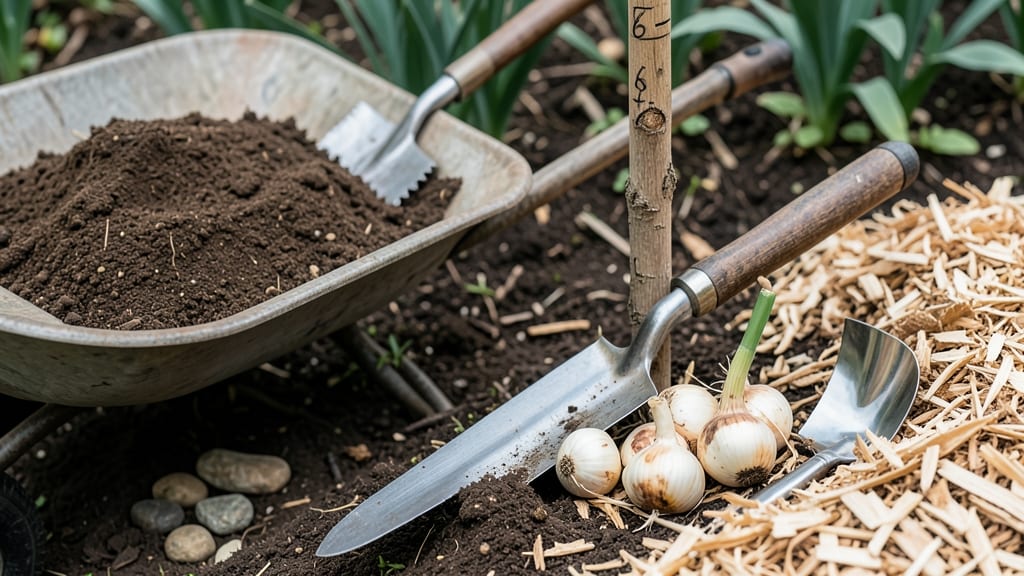
Planting daffodil bulbs in Alabama at the wrong time could mean wasted effort—or worse, bulbs rotting before spring. The key to those bright 🌼 blooms popping up in March? Timing your fall planting just right for Alabama’s 7a-8b climate.
Most gardeners assume "fall planting" means anytime after Labor Day, but in Alabama’s humid subtropical zone, the window is tighter. Plant too early, and bulbs may sprout before winter sets in. Too late, and they won’t establish strong roots before frost.
I’ll show you exactly when to dig in for bold, reliable blooms—plus how to prep your soil to beat Alabama’s soggy springs.
Why does this matter? Because daffodils planted in the ideal October-December window not only survive our unpredictable winters but also outcompete weeds and pests.
We’ll cover soil prep tricks to handle Alabama’s clay-heavy ground and when to adjust for early frosts—so you’re not left with muddy holes and sad, half-buried bulbs.
Ready to turn your yard into an early spring showcase? Let’s break down the perfect planting schedule, from soil temps to frost dates, so your daffodils thrive—no guesswork required.
Best months to plant daffodil bulbs in Alabama’s climate Zones
Alabama’s USDA Zones 7a-8b create a unique window for planting daffodil bulbs that ensures they establish roots before winter’s chill sets in. Unlike northern regions, our mild winters and humid subtropical climate mean bulbs can be planted later—but not too late.
The ideal timeframe spans October through December, with November being the sweet spot for most gardeners.
Daffodils need 6-8 weeks to develop strong roots before the ground freezes. In Alabama, this typically means planting between mid-October and early December, aligning with soil temperatures dropping below 60°F.
This timing prevents bulbs from sprouting too early and getting damaged by late winter freezes or spring heat waves.
For gardeners in Zone 7a (northern Alabama), aim for planting by November 15 to avoid early frost risks. Those in Zones 7b-8b (central/southern Alabama) have more flexibility, with December still being a viable month, especially in Zone 8b, where winters are milder.
Here’s why timing matters: Daffodil bulbs need cold stratification to bloom well, but they’ll rot if planted too late when the ground is already cold. Alabama’s variable frost dates (typically November 15 to January 15) make precise timing critical for success.
| Zone | Ideal Planting Window | Soil Temp Goal | Key Consideration |
|---|---|---|---|
| 7a (North AL) | Mid-October - November 15 | Below 60°F | Avoid early frost risks |
| 7b (Central AL) | October - December 1 | Below 60°F | Balanced frost window |
| 8a-8b (South AL) | November - Early December | Below 65°F | Milder winters extend window |
If you miss the fall window, don’t despair—daffodils can also be planted in early January, though this is riskier. Bulbs planted this late may struggle in Alabama’s humid winters, which can lead to rot or pest issues.
For best results, prioritize fall planting and use well-draining soil to prevent moisture-related problems.
Pro tip: Use a moisture meter to check soil conditions. Alabama’s clay-heavy soils often retain too much moisture, so aim for 60% soil moisture at planting time. This helps bulbs establish without sitting in soggy conditions that invite bulb rot.
For container gardening in Alabama, plant daffodil bulbs in late October to ensure they have enough time to root before winter. Containers dry out faster and may freeze more quickly than in-ground plantings, so monitor soil moisture closely during December and January.
Remember, daffodils planted in Alabama’s optimal window will reward you with bold, early spring blooms—often appearing as early as February in milder zones. This head start means you’ll enjoy vibrant color months before summer’s heat arrives.
Finally, mark your calendar for March 15, Alabama’s average last frost date. This is when your daffodils will begin their spring emergence, signaling that your fall planting paid off with healthy, thriving bulbs ready to bloom.
Best months to plant daffodil bulbs in Alabama’s climate Zones
Alabama’s USDA Zones 7a-8b mean daffodil bulbs thrive when planted during cool fall months before the ground freezes. The ideal window is mid-October to December, giving bulbs time to root before winter dormancy.
In Zone 7a (northern AL), aim for October 15-November 15—soil temps should be below 60°F but not frozen.
For Zone 8b (southern AL), extend planting to December 1—warmer winters delay frost. Use a soil thermometer to confirm temps are 50-60°F at planting depth. Late December plantings risk rot if soil stays too warm.
Missed the fall window? January planting is possible in Zone 8b if soil isn’t frozen. However, bulbs may bloom later or weaker. Always water thoroughly after planting to settle soil around roots.
🌼 Alabama Daffodil Planting Guide
| Zone | Best Months | Soil Temp | Key Tip |
|---|---|---|---|
| 7a (North AL) | October 15–November 15 | 50–60°F | Plant before first frost (avg. Nov 15) |
| 7b (Central AL) | October 1–December 1 | 50–60°F | Avoid planting after Dec 15 |
| 8a-8b (South AL) | October–December 15 | 55–65°F | January planting possible if soil isn’t frozen |
Alabama’s humid subtropical climate adds urgency—plant too late, and bulbs may sprout prematurely or rot in soggy winter soil. Well-draining soil is critical; amend clay-heavy areas with compost or sand to prevent waterlogging.
Pro tip: Mark planting spots with stakes or flags to avoid disturbing bulbs during winter. Daffodils need 6-8 weeks of root growth before frost for best spring blooms. In Zone 8b, early October plantings often yield earlier, larger flowers.
Timing matters even more in Alabama than in cooler climates. Bulbs planted in September may sprout too early, while those planted after January risk weak growth. Aim for 6-8 weeks before first frost—your daffodils will thank you with bold, early spring color! 🌼