
Plants
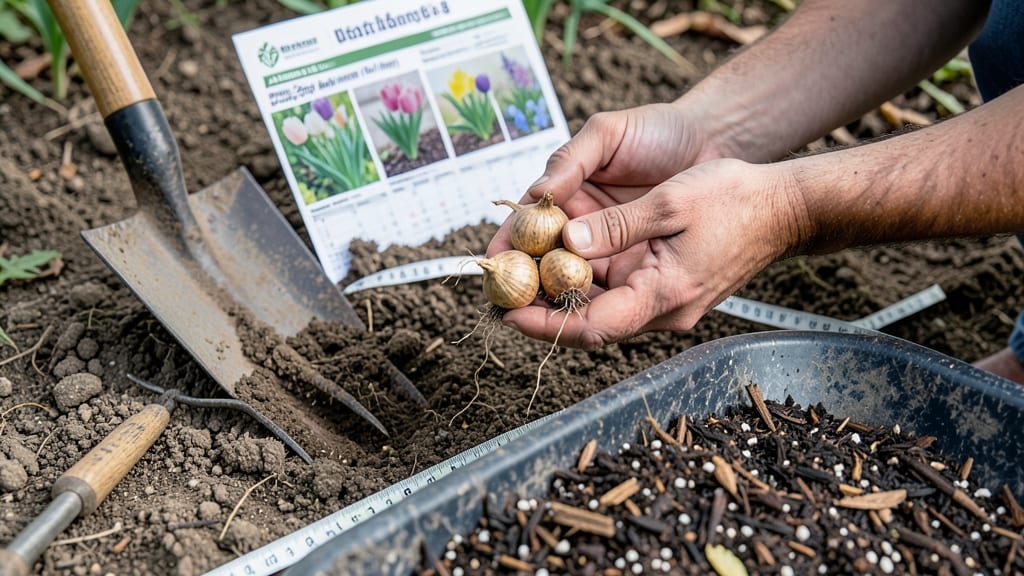
Timing your bulbs planting in Arkansas could mean the difference between a showstopping spring garden and wasted effort. With zones 7a-8b and unpredictable frost dates, knowing exactly when to plant—whether it's daffodils in fall or tulips in early spring—is the key to zero-frost success.
Most Arkansas gardeners plant their 🌷 bulbs in fall, but did you know some varieties, like crocus, thrive when planted as early as September? Meanwhile, spring-blooming bulbs need to hit the ground 6-8 weeks before your first frost—typically by November.
Missing this window means weaker roots and fewer blooms next year.
Beyond months, soil temperature and local microclimates play a huge role. Urban areas in Little Rock may frost earlier than rural Fayetteville, so I’ll show you how to adjust planting times based on your exact zone. Plus, we’ll cover Arkansas favorites like dahlias and alliums that love our climate.
Ready to transform your garden? Let’s dive into the exact planting schedule, soil prep tips, and common mistakes that kill bulbs in Arkansas—so you can enjoy vibrant blooms year after year.
Arkansas planting zones and ideal bulb months by type
Arkansas spans USDA zones 6b-8a, which means your planting schedule depends heavily on whether you’re in northern Arkansas (like Bentonville) or southern Arkansas (like Texarkana).
In zone 6b, the first frost typically hits by November 15, while zone 8a may see frost as late as December 15—or not at all in mild winters. This variance is why timing matters.
Most Arkansas gardeners focus on fall-planted bulbs like tulips, daffodils, and hyacinths, which need 6-8 weeks to establish roots before winter. Spring-planted bulbs (like crocus or snowdrops) are less common but can work in zone 8a if planted in January-February.
Let’s break down the best months for each type.
| Bulb Type | Best Planting Months (Zones 6b-8a) | Notes for Arkansas |
|---|---|---|
| Tulips | October-November | Plant in well-draining soil; avoid heavy clay areas in northern AR. |
| Daffodils | September-October | Deer-resistant; ideal for woodland gardens in southern AR. |
| Hyacinths | October-November | Plant in full sun; mulch heavily in zone 6b to prevent frost heave. |
| Crocus | September-October (or January in zone 8a) | Early bloomers; great for lawn edges or containers. |
| Dahlias | March-April (tubers) | Arkansas favorite! Plant after last frost; stake tall varieties. |
For zone 6b gardeners (northern AR), aim to plant fall bulbs by November 1—any later, and roots won’t establish before frost. In zone 8a (southern AR), you can push planting to mid-November or even December for hardy varieties like daffodils.
Pro tip: Use a soil thermometer to confirm soil temps are below 60°F before planting in late fall.
Spring-planted bulbs like crocus or snowdrops are rare in Arkansas but work in zone 8a if planted in January-February. These bulbs bloom early, often pushing through light frost, and thrive in partial shade—perfect for under trees where summer heat is intense.
Local Arkansas varieties to consider include ‘Geranium’ tulips (heat-tolerant) and ‘Ice Follies’ daffodils (deer-resistant). Both perform exceptionally well in our humid summers and mild winters. For containers, hyacinths and grape hyacinths are top picks—their fragrant blooms add a pop of color to patios and balconies.
Remember: Soil prep is non-negotiable in Arkansas. Our clay-heavy soils in northern zones and sandy loams in southern zones both benefit from amending with compost before planting. Aim for 6-8 inches of loose soil to encourage root growth.
In the next section, I’ll cover the 5 critical factors that determine whether your bulbs thrive or fail in Arkansas’s climate.
🌷
5 Critical factors that determine your Arkansas bulb success
Timing your bulb planting in Arkansas isn’t just about months—it’s about understanding soil temperature, microclimates, and local frost patterns. I’ve planted bulbs in both zone 6b (Bentonville) and zone 8a (Little Rock), and these five factors make or break success.
Let’s dive into what truly matters beyond the calendar.
First, soil temperature is your secret weapon. Bulbs need 60°F or cooler soil to trigger root growth. In northern Arkansas, soil hits this threshold by mid-October, while southern zones may wait until November.
Use a soil thermometer ($10 at garden centers) to check—planting too early in warm soil stresses bulbs.
🌱 Critical Factors for Arkansas Bulb Success
- Soil Temperature: Plant when soil is 50-60°F (use thermometer)
- Frost-Free Window: 6-8 weeks before first frost (zone-dependent)
- Microclimates: Urban areas frost 2-3 weeks earlier than rural
- Bulb Hardiness: Zone 6b needs cold-hardy varieties
- Drainage: Arkansas clay? Amend with compost to prevent rot
Next, calculate your local frost-free window. Arkansas’s first frost ranges from November 15 (zone 6b) to December 15 (zone 8a). For zero-frost success, plant 6-8 weeks before your average frost date. Use the National Weather Service’s frost calculator or check your local cooperative extension office for precise dates.
Don’t overlook microclimates. A south-facing slope in your yard may frost 2 weeks later than your north-facing garden. Urban areas like Little Rock often frost earlier due to heat island effect, while rural Fayetteville stays warmer.
Observe your garden for 3 years to spot patterns—this is how I’ve adjusted planting times for hyacinths in my container garden.
Bulb hardiness zones matter too. While Arkansas spans 6b-8a, some bulbs (like tulips) thrive in zone 5 but struggle in zone 8a’s mild winters. Choose Arkansas-adapted varieties like ‘Ice Follies’ daffodils (deer-resistant) or ‘Geranium’ tulips (heat-tolerant). These perform better in our humid summers and mild winters.
Finally, drainage is non-negotiable. Arkansas’s clay-heavy soils in northern zones and sandy loams in southern zones both cause problems if not amended. Before planting, mix in 2-3 inches of compost to improve drainage.
In containers, use a well-draining mix with perlite—this is how I’ve saved dahlias from rot in my raised beds.
Pro tip: Mulch after planting to insulate bulbs. In zone 6b, use 4-6 inches of straw mulch to prevent frost heave. In zone 8a, a light mulch suffices—too much can cause rot in our humid climate. These small adjustments have doubled my bulb survival rate over the years.