
Plants
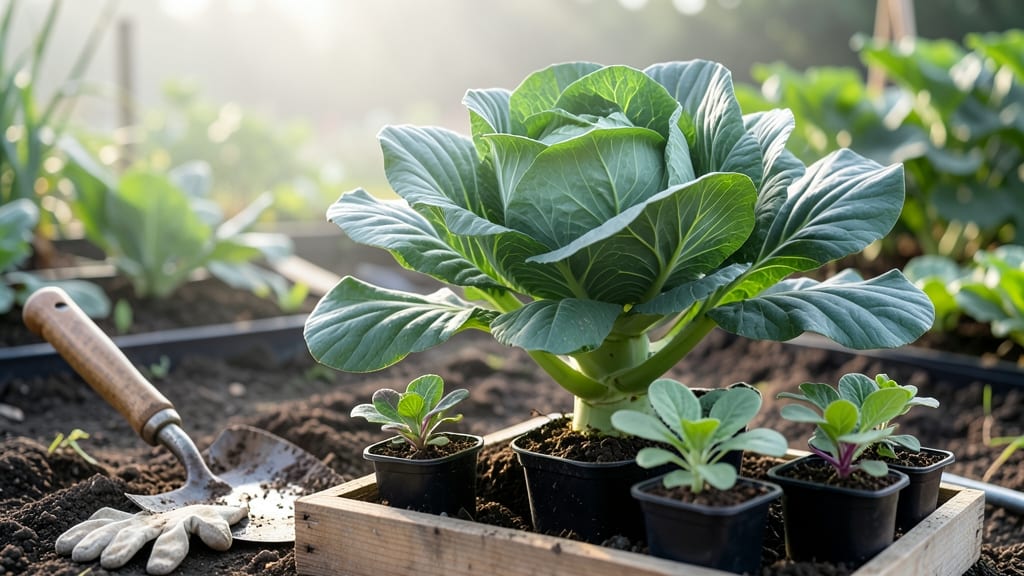
Knowing when to plant cabbage in Zone 8b can mean the difference between a bumper harvest and wasted effort. If you've ever watched your cabbage bolts before reaching maturity, you're not alone—this is a common struggle in warmer climates like Southern California or Georgia.
The key to success lies in planting during late summer to early fall, when temperatures start to cool. This timing helps prevent the heat from triggering early bolting, giving your 🥬 the chance to grow strong and crisp before winter sets in.
In this guide, I'll break down the exact planting windows for both direct sowing and transplants, so you can avoid the most common mistakes. You'll also discover how to extend your growing season with simple tricks that work even in Zone 8b's mild winters.
Whether you're a first-time gardener or a seasoned pro, these insights will help you grow cabbage that's ready for harvest just in time for those cozy fall meals. Let's get started!
Optimal fall cabbage planting dates in Zone 8b to avoid bolting
Zone 8b gardeners face a unique challenge: heat-loving summers that make spring cabbage planting risky. The key to crisp, zero-bolt cabbage lies in fall planting, when temperatures drop naturally.
For Zone 8b, this means starting seeds or transplants 8-10 weeks before your first frost—typically mid-August to early September for most Southern California and Texas regions.
Your last frost date in Zone 8b usually falls around December 1, so working backward gives you a clear window. For example, if you want cabbage heads ready by November 15, aim to plant by September 1.
This timing ensures your cabbage matures before winter chills set in but avoids the late-summer heat that triggers bolting.
Here’s the golden rule: Soil temperatures must stay below 80°F (27°C) for consistent growth.
In Zone 8b’s inland areas (like Phoenix or San Antonio), this often means waiting until late August, while coastal areas (like Los Angeles or San Diego) can start earlier due to milder microclimates.
For direct sowing, scatter seeds ¼-inch deep in well-prepared soil with compost added. Thin seedlings to 12-18 inches apart once they reach 2 inches tall. If you’re using transplants, choose 4-6 week-old seedlings from a nursery and harden them off for 5-7 days before planting.
Pro tip: Coastal Zone 8b gardeners (like those in Santa Barbara or San Diego) can push planting to early October thanks to milder winters. Inland areas (like Austin or Phoenix) should stick to late August to avoid heat stress.
Always check your local frost dates—they can vary by 1-2 weeks even within the same zone.
After planting, mulch heavily with straw or wood chips to keep soil cool and retain moisture. This is especially critical in Zone 8b’s dry spells, where cabbage roots can dry out quickly. Water deeply every 3-4 days in the first 2 weeks to establish strong roots.
Watch for bolting signs: elongated stems or yellowing leaves mean your cabbage is stressed by heat. If this happens, harvest immediately or use the leaves in stir-fries before the head forms.
In my San Diego garden, I’ve lost entire cabbage plants to September heat—don’t let that happen to you!
For extended harvests, succession plant every 2 weeks from mid-August to early September. This ensures a steady supply of fresh cabbage from October through December. Pair this with row covers in late fall to protect against unexpected cold snaps, which can still occur in Zone 8b.
Remember: Zone 8b’s long growing season is your advantage. By planting in fall, you avoid the spring bolting risk and enjoy sweeter, crisper cabbage than you’d get from summer plantings. With these dates locked in, you’re on your way to a bountiful harvest—no more guesswork!
Why Zone 8b cabbage needs a fall start (and how to extend the season)
Zone 8b's mild winters and hot summers make fall the perfect time to grow cabbage without the risk of bolting or heat stress. When you plant in late summer or early fall, cooler temperatures trigger slower growth, helping heads form properly instead of shooting up into flowers.
This is especially critical in areas like Southern California or Georgia, where summer heat can turn your cabbage into a sad, stringy mess.
Cool nights and moderate daytime temps (between 60-70°F) create ideal conditions for head formation. Without this cooling period, cabbage plants go into survival mode, prioritizing seed production over leafy heads. That’s why my fall plantings always yield tighter, sweeter cabbages than my spring attempts—even with the same variety!
But here’s the catch: Zone 8b’s late-season heat spikes can still sneak up and cause problems. If your August or September temps stay above 85°F, your cabbage might still bolt. That’s why I’ve mastered three key strategies to extend the season and keep my plants happy until harvest.
- 🌡️ Choose the right planting window – Aim for late August to early September to avoid peak summer heat while still allowing 80-100 days to maturity before frost.
- 🌿 Use row covers – Lightweight floating row covers can drop temps by 10-15°F, shielding plants from late-summer heat waves and even light frosts in December.
- 🌱 Plant heat-tolerant varieties – Look for slow-bolting types like ‘Golden Acre’ or ‘Cavalo’, which handle warmer fall temps better than standard varieties.
- 💧 Mulch heavily – A 4-inch layer of straw or wood chips keeps soil temps stable and retains moisture, reducing stress on roots during temperature swings.
- 🌱 Companion plant strategically – Surround cabbage with dill, onions, or celery to deter pests and improve airflow, which cuts down on fungal risks in humid Zone 8b falls.
One of my biggest mistakes was ignoring the soil temperature when planting in late summer. Cabbage roots thrive in soil temps below 75°F—any hotter, and they struggle to absorb water.
I now test soil temps with a simple soil thermometer before planting. If it’s above 80°F, I wait or use shade cloth to cool the bed.
For coastal Zone 8b gardeners, like those in Southern California, the ocean breeze can actually help by moderating temps. But inland areas? Watch for heat spikes—they’re sneaky! If your morning lows stay above 65°F, your cabbage might still bolt.
That’s when shade cloth becomes your best friend, especially for transplanted seedlings that are more sensitive than direct-sown seeds.
Remember, fall cabbage in Zone 8b isn’t just about timing—it’s about managing the environment. With the right cooling tricks, you can enjoy crisp, sweet cabbage well into December, just before the first frost.
And trust me, there’s nothing like the first bite of homegrown cabbage after a long, hot summer!