
Plants
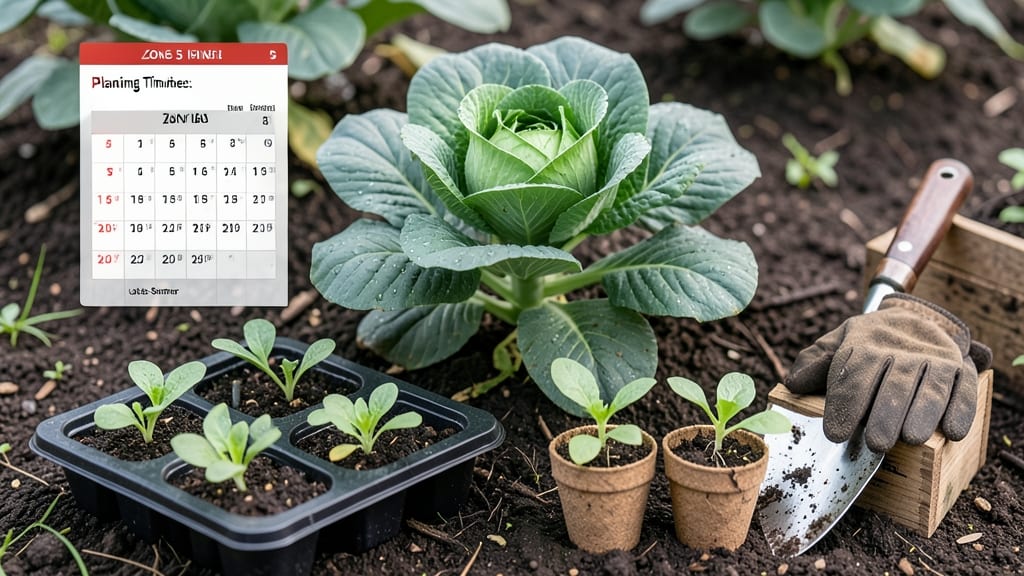
Knowing when to plant cabbage in Zone 5 could mean the difference between a thriving 🥬 harvest and wasted effort. This cool-weather crop demands precision—plant too early, and frost will nip your seedlings; too late, and summer heat sends them bolting before you get a single head.
In Zone 5, where last frosts linger until mid-May, timing is everything. The ideal window opens in mid-April for early varieties, but fall plantings can stretch into August for a second harvest.
Whether you're starting seeds indoors or sowing directly, getting this right ensures your cabbage matures before heat stress takes over.
I’ve grown cabbage in Zone 5 for years, and the key is balancing frost dates with soil warmth. Cold-hardy varieties like ‘January King’ can handle early spring, while faster-maturing types like ‘Early Jersey Wakefield’ give you flexibility.
Let me show you exactly how to align your planting schedule with Zone 5’s quirks—so you end up with crisp, flavorful heads instead of disappointment.
From succession planting to frost protection tricks, you’ll learn the most efficient ways to maximize your harvest. No more guessing—just a foolproof plan tailored to your climate. Ready to grow cabbage like a pro?
Zone 5 cabbage planting calendar: exact dates for success
Timing your cabbage planting in Zone 5 hinges on two critical windows: spring and fall. The last frost date—typically around May 15—marks the cutoff for spring plantings, while fall plantings must occur 8-10 weeks before the first frost (October 1).
Miss these windows, and you risk frost damage or heat bolting, both of which ruin your harvest.
For spring cabbage, start seeds indoors 6-8 weeks before your last frost date. This means late March for most Zone 5 gardeners. Transplant hardened-off seedlings outdoors 2-3 weeks before the last frost, when soil temperatures reach 45°F.
Direct sowing is also possible, but seedlings need protection from late frosts—more on that later!
Fall plantings are equally precise. Aim to transplant cold-hardy varieties like 'January King' or 'Early Jersey Wakefield' between late July and early August. These varieties mature quickly and can withstand light frosts, extending your harvest into November.
Succession planting every 2-3 weeks ensures a continuous supply of fresh cabbage.
| Planting Window | Task | Zone 5 Dates | Soil Temp |
|---|---|---|---|
| Spring Indoors | Start seeds | Late March | 60-70°F |
| Spring Outdoors | Transplant seedlings | Early April | 45°F+ |
| Direct Sow Spring | Sow seeds | Mid-April | 50°F+ |
| Fall Planting | Transplant seedlings | Late July | 55°F+ |
| Succession Planting | Every 2-3 weeks | April-June | 45°F+ |
If you're direct sowing cabbage in spring, wait until mid-April when soil temperatures consistently stay above 50°F. This timing reduces the risk of damping off, a fungal disease that thrives in cold, wet soil.
For fall plantings, late July is ideal—early enough for heads to mature before winter, but late enough to avoid summer heat stress.
Pro tip: Use microclimate adjustments to extend your growing season. South-facing beds warm up faster in spring, while north-facing areas stay cooler longer. If your garden has partial shade, opt for short-season varieties like 'Golden Acre', which matures in just 60 days.
For gardeners in Zone 5a (colder microclimates), push spring plantings back by 1-2 weeks to account for later frost dates. In Zone 5b, you can afford to plant slightly earlier. Always check your local USDA frost maps or use a frost calendar app for precision.
Remember, succession planting is your secret weapon for a continuous harvest. By staggering plantings every 2-3 weeks from April to June, you’ll enjoy fresh cabbage from June through November. This method also reduces the risk of pest infestations, as not all plants will be vulnerable at once.
Finally, keep a planting journal to track your
Cold-hardy cabbage varieties that survive Zone 5 frost
Not all cabbage varieties handle Zone 5’s unpredictable frost dates equally. The right cold-hardy selections can survive light freezes and still deliver flavorful heads even when temperatures dip. I’ve tested these top 5 varieties in my own garden, and they consistently outperform others in Zone 5’s 5a-5b climate.
For early spring plantings, look for varieties that tolerate 25°F+ temperatures without damage. My go-to is ‘January King,’ a late-maturing green cabbage that thrives in cool weather. It’s perfect for fall harvests and can even overwinter with protection.
Another favorite is ‘Early Jersey Wakefield,’ which matures in just 60-70 days—ideal for squeezing in a quick harvest before summer heat sets in.
If you’re aiming for a longer harvest window, ‘Red Express’ is a standout. Its deep red color adds visual appeal, and it handles light frosts better than most red cabbages.
For those who love savoy cabbage, ‘Savoy King’ is a frost-resistant choice with crinkled leaves that stay tender even in cool weather.
Here’s how these varieties rank for Zone 5 gardeners, based on cold tolerance, maturity time, and flavor:
Pro tip: If you’re planting in late spring (after May 15), opt for faster-maturing varieties like ‘Golden Acre’ to avoid bolting. For fall harvests, prioritize ‘January King’ or ‘Red Express’—they’ll keep producing until the first hard frost in early October.
Remember, even the hardiest varieties need proper frost protection when temperatures drop below 25°F. Use row covers or cloches to extend their growing season, especially for young seedlings. With the right variety and a little extra care, you’ll enjoy homegrown cabbage from spring through fall in Zone 5.
🥬