
Plants
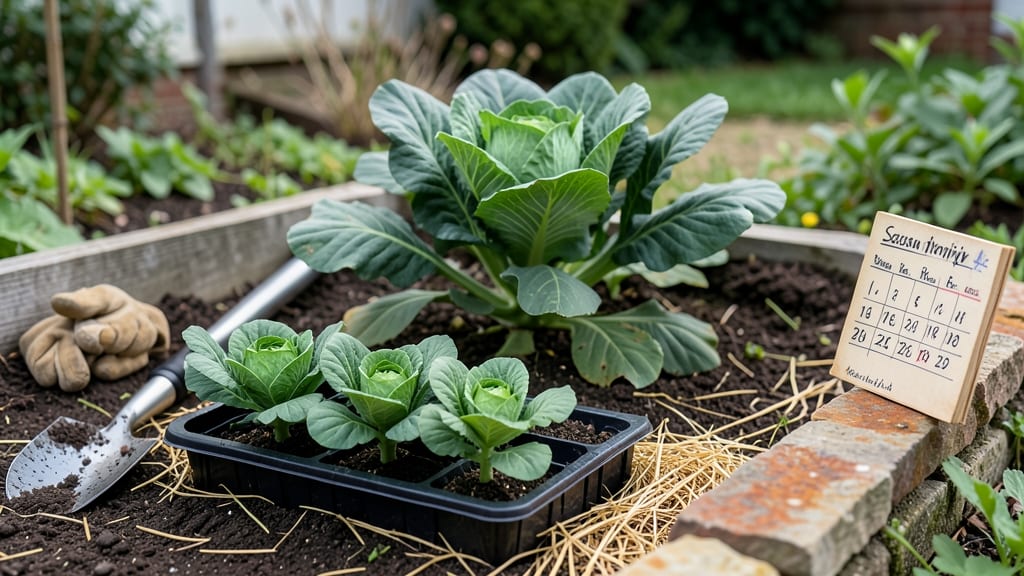
Timing your 🥬 cabbage planting in Illinois can mean the difference between a bountiful harvest and a sad, wilted disappointment. With Zone 5b's unpredictable frosts, knowing the exact windows to plant is the key to growing crisp, healthy heads all season long.
Most gardeners in Illinois get it wrong by planting too early, only to watch their seedlings freeze in late spring or bolt in summer heat. The secret? Two perfect planting windows: March 15 to April 30 for spring cabbage and August 15 to September 15 for fall crops.
These dates align with your region's frost-free timeline and give your cabbage the cool weather it craves.
But here's what most guides won't tell you: Illinois' climate variability means you'll need to adjust based on your specific microclimate. Whether you're in Chicago's urban heat islands or rural southern Illinois, I'll show you exactly how to time your plantings for zero frost risk and maximum yield.
Ready to grow cabbage that's ready to harvest in June-July and again in October-November? Let's dive into the exact planting strategy that works for Illinois gardens, including variety selection and soil prep tips that'll have your cabbage thriving from seed to table.
Optimal cabbage planting dates in Illinois (Zone 5b frost-free timeline)
Illinois’ Zone 5b climate offers two prime windows for planting cabbage, but timing is everything. The last average frost date in most of Illinois falls around April 15, while the first frost arrives by October 20.
These dates create a 150-200-day frost-free season, perfect for cabbage’s 70-90-day growth cycle. Planting outside these windows risks frost damage or heat stress.
For spring plantings, aim to start seeds indoors 6-8 weeks before your last frost (around February 15). Transplant seedlings 2-3 weeks before the last frost (around March 25-April 15).
This ensures your cabbage matures before summer heat sets in. Fall plantings should begin 8-10 weeks before the first frost, with seeds sown August 15-September 15 for a late harvest.
🥬 Illinois Cabbage Planting Timeline (Zone 5b)
| Season | Planting Window | Key Deadlines | Harvest Window |
|---|---|---|---|
| Spring | March 15 - April 30 | Last frost: April 15 Heat stress risk: June 15+ |
June - July |
| Fall | August 15 - September 15 | First frost: October 20 Seed maturity: 70-90 days |
October - November |
Northern Illinois (e.g., Chicago, Rockford) has a shorter growing season than southern regions (e.g., Springfield, St. Louis). Adjust your planting dates by 1-2 weeks earlier in the north to account for colder soils. For example, Chicago gardeners should start spring seeds by February 1 instead of mid-February.
Heat is cabbage’s biggest enemy. Once temperatures exceed 80°F (27°C) for more than a few days, heads may bolt (flower prematurely) or develop bitter flavors. This is why fall plantings are often more reliable—they mature before summer’s peak heat.
If you must plant in late spring, choose heat-tolerant varieties like ‘Cavalo’ or ‘Golden Acre’.
Soil temperature also matters. Cabbage seeds won’t germinate in soils below 45°F (7°C). Use a soil thermometer to confirm readiness—especially in northern Illinois, where early spring soils can stay cold. If your soil is too cool, wait 1-2 weeks or use black plastic mulch to warm it faster.
For container gardening, stick to the same timeline but use larger pots (12+ inches deep) to accommodate mature roots. Containers warm up faster than ground soil, so you may need to delay planting by 1 week to avoid heat stress.
Place pots in partial shade during July-August to protect plants from extreme heat.
Don’t forget about succession planting! In Illinois, you can squeeze in 3 harvests per year by staggering plantings:
- Early spring (March 15)
- Late spring (April 15)
- Early fall (August 15)
This ensures a steady supply of fresh cabbage from June through November.
Always monitor local weather forecasts in the weeks leading up to your planting window. A late frost warning might delay your outdoor transplanting by 1-2 weeks, while an early heatwave could push your fall planting 2 weeks earlier. Flexibility is key in Illinois’ unpredictable climate!
Optimal cabbage planting dates in Illinois (Zone 5b frost-free timeline)
Illinois’ Zone 5b climate offers two perfect windows for planting cabbage: early spring and late summer. The last average frost date in most of Illinois falls around April 15, but northern regions may experience frost until May 1. To avoid frost damage, time your plantings carefully.
For spring cabbage, start seeds indoors 6-8 weeks before your last frost (typically by March 15) or plant transplants 2-3 weeks before frost (around April 1). This ensures mature plants by June, when heat stress becomes a risk.
| Planting Window | Action | Key Consideration |
|---|---|---|
| Early Spring | Start seeds indoors March 15 or plant transplants April 1 | Avoid late frosts (use row covers if needed) |
| Late Summer | Plant transplants August 15 for fall harvest | Choose fast-maturing varieties (60-day harvest) |
| Heat Tolerance Limit | Stop planting by May 15 (risk of bolting) | Cabbage bolts at 75°F+ for prolonged periods |
Your second planting window opens in late summer to capitalize on Illinois’ cool fall temperatures. Plant transplants between August 15 and September 15 for a harvest before the first frost (October 20). This method extends your harvest season and reduces competition for garden space.
Northern Illinois (Zone 5a) gardeners should push planting dates 2 weeks later to account for later frosts. Southern Illinois (Zone 6a) can plant 1-2 weeks earlier and extend the fall window until September 30.
Always monitor your local frost forecast—unpredictable weather can shift these dates by 1-2 weeks. For extra protection, use floating row covers or low tunnels to shield young plants from unexpected cold snaps.
Pro tip: Mark your calendar for June 1 and September 15 as your heat tolerance deadlines. After these dates, cabbage struggles to form heads in Illinois’ summer heat.